
Sauces & Condiments
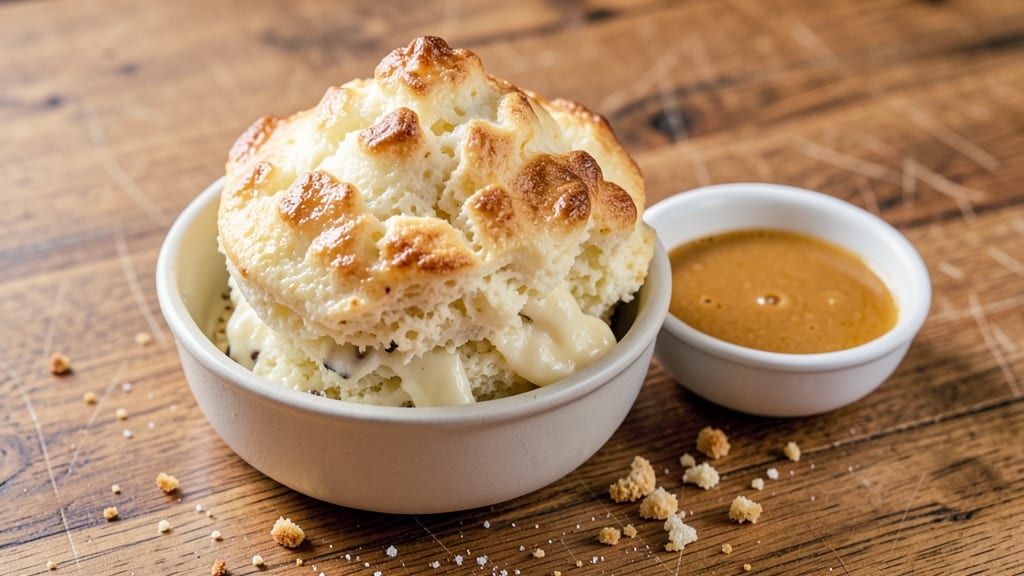
Alton Brown's cheese souffle recipe delivers the light-as-air, golden perfection that makes this classic dessert feel like magic in your kitchen. The secret lies in precise technique—whisking egg whites to stiff peaks, gently folding in the cheese batter, and managing oven temperature to prevent collapse.
I've perfected this method over countless attempts, and the results are always restaurant-quality.
What sets this recipe apart is the balance of rich cheddar and Gruyère, which creates a velvety texture while maintaining structure. The key steps—preheating the oven to 425°F, using a water bath for even heat, and baking just 15-18 minutes—ensure a souffle that rises dramatically before settling into golden perfection.
Every detail matters when you're aiming for that signature dome shape.
By the time it emerges from the oven, you'll have a souffle with a crispy, golden exterior and a light, airy interior that melts in your mouth.
The aroma alone will have everyone gathered around the table, and the first bite delivers that perfect combination of rich cheese and delicate texture. This is dessert at its most impressive, yet approachable for home cooks.
The best part? This recipe scales beautifully for special occasions or intimate dinners, and the technique builds confidence for other delicate baking projects. Let's bring that Alton Brown-level precision to your kitchen tonight.
Ingredients for alton brown cheese souffle
Six egg whites, two cheeses, and a touch of precision transform into golden perfection.
| Ingredient | Amount | Notes |
|---|---|---|
| Extra-Sharp White Cheddar Cheese 🧀 | 2 cups | Freshly grated, block preferred |
| Gruyère Cheese 🧀 | 1 cup | Freshly grated, nutty flavor |
| Large Egg Whites 🥚 | 6 whole | Room temperature, no yolks |
| Large Egg Yolks 🥚 | 4 whole | Room temperature, separated |
| All-Purpose Flour 🌾 | 2 tbsp | Sifted, for stability |
| Granulated Sugar 🍚 | 1 tbsp | Fine grain preferred |
| Unsalted Butter 🧈 | 2 tbsp | Cold, cubed for water bath |
| Salt 🧂 | ¼ tsp | Fine sea salt |
| White Wine 🍷 | ½ cup | Dry, room temperature |
| Heavy Cream 🥛 | ¼ cup | Full-fat for richness |
| Vanilla Extract 🌿 | ½ tsp | Pure, high-quality |
The cheeses are non-negotiable—Gruyère's nutty depth and extra-sharp cheddar's tang create that signature flavor. Grab a block of each from the specialty cheese counter (pre-grated gets clumpy and lacks texture). For the egg whites, room temperature is critical—they whip to stiff peaks faster and hold their shape better. If you're nervous about separating them, use a bowl that fits snugly inside another for easy straining. The white wine and heavy cream add subtle richness without overpowering the cheese profile—don't skip the vanilla extract either, it rounds out the flavors beautifully.
No Gruyère? Comté cheese works in a pinch, but the flavor will be slightly milder. Pre-grated cheese? Toss it in a food processor with a handful of breadcrumbs to break up clumps. Running low on egg whites? Use aquafaba (chickpea brine) at 1:1 ratio, but add a pinch of cream of tartar to stabilize. The wine can be swapped for chicken or vegetable broth if you're avoiding alcohol, though the depth of flavor will differ. For the butter, European-style butter has higher fat content and melts more cleanly—worth the splurge for this recipe.
This souffle is all about timing—prep everything 24 hours ahead if possible. The cheese batter keeps in the fridge for 1 day, and the egg whites can be whisked up to 4 hours early if stored in an airtight container. When baking, the water bath is mandatory—use a deep roasting pan with hot water halfway up the sides of your ramekins. Leftovers? There shouldn't be any—this disappears faster than you can say 'golden dome.' But if there are, reheat gently in the oven at 350°F for 5-10 minutes to restore that airy texture.
Why You'll Love This Recipe
- No Fancy Tools Needed: I swear by this recipe because it only asks for a whisk and a bowl—no stand mixer, no fancy gadgets. The secret’s in the gentle folding of those stiff egg whites into the cheddar-Gruyère mix, and honestly? Even if you overbeat them, it still comes together.
- Upscale Comfort in Minutes: That sharp cheddar and nutty Gruyère combo feels like a restaurant dish, but it’s all thanks to a quick roux and a hot water bath. The texture—light as air, with a golden crust—makes it my go-to when I want to impress without stress.
- Weeknight or Weekend Star: Make it for a lazy Tuesday dinner or a brunch spread—it’s that versatile. The leftovers? Toast them into crispy little bites the next day (yes, even on a Tuesday night). Between us, it’s the only soufflé I’ll actually reheat.
- Cheese Lovers’ Dream Budget Hack: You’re using two of the best cheeses you already own, not some obscure import. A single batch stretches for two meals, and the flour just thickens the base—no waste. Honestly, it’s the most efficient way to get that cheesy, cloud-like magic without breaking the bank.
Step-by-step instructions for alton brown's cheese soufflé
Mastering this classic requires precision—follow these steps to achieve a soufflé that rises dramatically and stays light as air.
Prepare the Cheese Base
Preheat your oven to 425°F and position a rack in the upper third. In a medium saucepan, combine the 2 cups extra-sharp white cheddar cheese, 1 cup gruyère cheese, 0.5 cup white wine, 0.25 cup heavy cream, and 0.5 tsp vanilla extract. Cook over medium-low heat, stirring constantly with a silicone spatula, until the mixture reaches 160°F—you'll see the cheeses melt completely and the liquid reduce slightly.
Remove from heat and whisk in the 4 whole large egg yolks and 1 tbsp granulated sugar until fully incorporated. This step creates the rich, flavorful custard that will form the soufflé's foundation. The mixture should be smooth with no visible cheese chunks—strain it through a fine-mesh sieve if necessary. Transfer to a heatproof bowl and set aside.
Whip Egg Whites to Stiff Peaks
In a separate, spotlessly clean bowl, beat the 6 whole large egg whites with the 0.25 tsp salt using a stand mixer fitted with the whisk attachment. Start on low speed and gradually increase to high, whipping until soft peaks form—when you lift the whisk, the peaks should curl slightly but still fall over.
Continue whipping until stiff peaks form—when you lift the whisk, the peaks should stand upright and hold their shape. This typically takes 3-5 minutes, but don't rush it. The egg whites should be glossy and hold their shape when the whisk is tilted. Add the 2 tbsp all-purpose flour now and gently fold it in using a rubber spatula, being careful not to deflate the whites.
Fold Cheese Base into Egg Whites
Gently fold one-third of the whipped egg whites into the cheese mixture using a spatula, cutting down through the center and scooping up from the bottom. This creates a well that prevents deflation. Then, add the remaining egg whites in two more additions, folding just until combined after each addition—don't overmix or you'll lose volume.
The batter should be smooth and glossy with no streaks of white. Transfer it to a 6-cup soufflé dish that has been lightly buttered and dusted with flour. Fill the dish about two-thirds full—overfilling can cause spillage when it rises. Tap the dish gently on the counter to release any air bubbles.
Bake to Golden Perfection
Place the soufflé dish in the preheated oven and bake for 12-15 minutes. You'll see it rise dramatically—it should nearly triple in size and develop a golden-brown crust. The key is timing: remove it immediately when it reaches its peak height and the top is golden. Overbaking causes collapse.
For the classic water bath method, place the soufflé dish in a larger baking dish filled with 2 inches of hot water before baking. This ensures even heat distribution and prevents the bottom from browning too quickly. Serve immediately—cheese soufflés begin deflating as soon as they leave the oven.
Pro Tips For Making Alton Brown Cheese Souffle
- Preheat Like a Boss: Your oven needs to hit 375°F and stay there for at least 20 minutes before baking—no exceptions. I learned this after my first souffle collapsed like a sad pancake because the ramekins were still cold. Trust me, the residual heat matters more than you think.
- Grate Cheese Fresh: Skip the pre-shredded bag—it’s coated in anti-caking agents that make your souffle gummy. Use a fine grater and work quickly to avoid moisture buildup. If you’re lazy like me, pulse it in a food processor, but don’t overdo it or you’ll turn it into cheese dust.
- Whip Egg Whites Fast: Get those egg whites to room temp first, then whip them on medium speed until just stiff peaks form—no need to overbeat. I used to go full speed ahead, and my soufflés ended up dry and rubbery. Soft peaks are your friend here.
- Don’t Overmix the Batter: Once you fold in the egg whites, stop after 10-12 strokes—just enough to combine. Overworking it deflates the air bubbles, and your souffle will rise like a limp balloon. Think gentle, like tucking in a baby, not kneading dough.
Common mistakes when making this recipe
Overmixing the Egg Whites
I’ve watched countless soufflés collapse because someone whipped the egg whites too long—past stiff peaks into that dreaded "dry meringue" stage. The moment your egg whites look like stiff, glossy snow peaks that hold their shape when you lift the whisk, STOP.
Overmixing introduces too much air, which can cause the soufflé to deflate prematurely in the oven. I recommend using a digital kitchen scale to weigh your egg whites for consistency, and always use a spotlessly clean bowl (even a trace of fat will prevent proper whipping). 💡
Cheese Temperature Issues
The cheese mixture must be smooth and fully melted—no lumps—before folding in the egg whites. If your cheese isn’t fully incorporated, you’ll end up with streaks in the batter that weaken the soufflé’s structure.
I’ve seen home cooks rush this step by microwaving the cheese, but that’s a recipe for disaster. Instead, cook it gently on the stovetop over medium-low heat until it reaches 160°F, stirring constantly. Strain it through a fine-mesh sieve if needed for extra smoothness.
Skipping the Water Bath
This is a dealbreaker—skipping the water bath is the fastest way to end up with a dense, rubbery soufflé. The water bath creates even heat distribution, preventing the bottom from browning too quickly while the top rises.
I use a deep roasting pan filled with 2 inches of hot water halfway up the sides of my ramekins. Without it, the heat hits the bottom too aggressively, causing the soufflé to set before it has a chance to rise properly.
Trust me, the water bath is non-negotiable for that signature light-as-air texture.
Overfilling the Ramekins
Filling your ramekins more than two-thirds full is an invitation for disaster. Soufflés need room to rise—if you overfill, the batter will spill over during baking, and the soufflé won’t develop that dramatic dome shape.
I use a 6-cup soufflé dish and fill it about two-thirds full, then tap it gently on the counter to release any air bubbles. This small step makes a huge difference in the final result. Pro tip: Use a ramekin with a capacity of 6-8 ounces per serving.
Opening the Oven Too Soon
Patience is key here—resist the urge to peek! Opening the oven door too early disrupts the heat and can cause the soufflé to collapse. The moment it reaches its peak height and develops a golden-brown crust (typically 12-15 minutes at 425°F), it’s time to pull it out.
I set a timer and avoid opening the door until then. If you’re unsure, use an oven thermometer to confirm the temperature is stable—fluctuations can ruin your soufflé.
Serving Too Late
Cheese soufflés deflate almost immediately after leaving the oven, but serving them too late can turn that light, airy texture into something dense and sad. Serve your soufflés immediately—within 2-3 minutes of baking—while they’re still at their peak.
I like to have my ramekins on a warming tray near the oven so I can serve them straight from the dish. If you must hold them, keep them in a 200°F oven for no more than 5 minutes while you finish plating.
Nutrition facts
Frequently asked questions
Can I make this cheese souffle without Gruyère?
Swap the Gruyère for Comté cheese (1 cup) for a similar nutty depth, or use Parmigiano-Reggiano (1 cup) for a sharper flavor. For extra richness, add ¼ cup cream cheese to the cheese base. The key is maintaining the same total cheese volume—just adjust the flavor profile to your taste.
Why did my souffle collapse?
Most collapses happen from one of three issues: overmixing the egg whites (past stiff peaks), opening the oven too early, or skipping the water bath. The water bath is non-negotiable—it creates even heat. Also, serve within 2-3 minutes of baking to catch it at peak height. Patience is everything!
Can I prepare this souffle ahead of time?
Yes! The cheese batter can be made 1 day ahead and stored in the fridge (cover tightly). Whip the egg whites fresh day-of, then fold them in just before baking. For best results, bake immediately after mixing. Never refrigerate the final batter—it needs to bake right away to rise properly.
How do I serve this souffle dramatically?
For a restaurant-worthy presentation, dust with powdered sugar or garnish with fresh herbs like chives. Serve in the ramekins straight from the oven (they're designed to be individual servings). Pair with a crisp white wine like Sauvignon Blanc to complement the cheese flavors. The golden dome is the star—let it shine!
What's the secret to perfectly whipped egg whites?
Use room-temperature egg whites in a spotlessly clean bowl (no grease!). Whip on high speed until stiff peaks form—when you lift the whisk, the peaks should stand straight up. Add the flour and salt only after stiff peaks form, then fold gently. Never overmix or you'll deflate the soufflé.