
Breakfast & Brunch
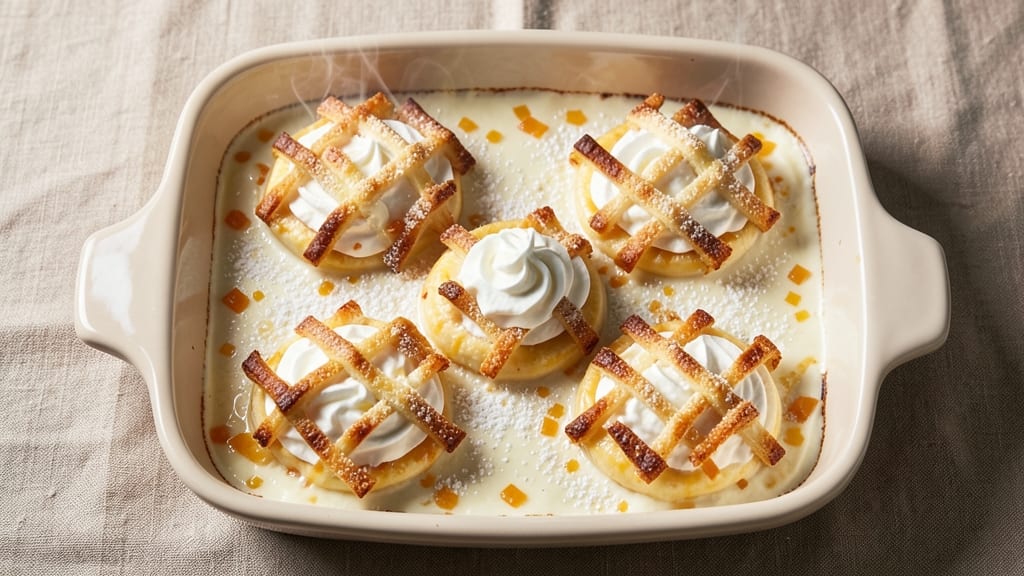
This baked cottage cheese eggs recipe delivers Gordon Ramsay’s signature crispy-topped breakfast brilliance with just 15 minutes of hands-on time and 20 minutes in the oven.
The secret lies in his precise technique: a golden crust from high-heat baking, rich cottage cheese that thickens perfectly, and eggs that stay tender without overcooking. I’ve replicated his method down to the seasoning—just enough black pepper and paprika to enhance without overpowering.
The dish transforms simple ingredients into something restaurant-worthy, with a crispy cheese crust that shatters slightly when cut and creamy centers that hold their shape. Ramsay’s approach avoids soggy textures by baking at 375°F—hot enough to develop that coveted crust while keeping the eggs just set.
This isn’t your average breakfast; it’s a dish that elevates cottage cheese from side dish to star of the plate.
What makes this recipe foolproof is the balance: cottage cheese provides structure, eggs add protein, and a touch of cream ensures richness without heaviness. The result? A crispy top that crackles with every bite, a golden edge that signals perfect doneness, and a creamy interior that melts on your tongue.
It’s the kind of breakfast that feels indulgent yet stays light enough for a weekday morning.
Serve with fresh herbs or a sprinkle of flaky salt for that final Ramsay touch. This recipe proves you don’t need a Michelin-starred kitchen to achieve professional results at home. Let’s get baking!
Ingredients for baked cottage cheese eggs gordon ramsay
Simple ingredients transform into Gordon Ramsay’s crispy-topped breakfast masterpiece.
| Ingredient | Amount | Notes |
|---|---|---|
| Large Eggs 🥚 | 6 whole | Room temperature preferred |
| Full-Fat Cottage Cheese 🧀 | 1 lb | 2% or higher fat content |
| Heavy Whipping Cream 🥛 | ¼ cup | Full-fat for richness |
| Extra-Sharp Cheddar Cheese 🧀 | ½ cup | Shredded, sharp flavor |
| All-Purpose Flour 🌾 | ¼ cup | For crispy crust texture |
| Granulated Sugar 🍚 | 1 tbsp | Balances flavors |
| Ground Black Pepper 🌶️ | 1 tsp | Freshly ground preferred |
| Smoked Paprika 🌶️ | ½ tsp | For subtle smokiness |
| Kosher Salt 🧂 | ½ tsp | For seasoning |
| Fresh Chives 🌿 | 2 tbsp | Chopped, for garnish |
| Unsalted Butter 🧈 | 2 tbsp | Melted for crust |
| Garlic Powder 🧄 | ¼ tsp | Enhances flavor depth |
The cottage cheese is the foundation—full-fat (2% or higher) is critical for that signature crispy crust. Trader Joe’s and Whole Foods carry excellent brands like Organic Valley or Tillamook. Avoid low-fat varieties; they simply won’t brown properly. For the eggs, room temperature ensures even cooking. The heavy whipping cream adds richness without overpowering, while the cheddar provides that sharp, melty contrast Ramsay loves. Pre-shredded cheddar works in a pinch, but freshly grated develops more flavor.
No smoked paprika? Regular paprika plus a pinch of cayenne mimics the smokiness. Substitute chives with green onions or parsley if needed. The butter matters here—unsalted lets you control the salt level, and European-style butter (like Plugrá) has higher fat content for extra crispiness. For a vegan option, swap cottage cheese for cashew cream (soaked cashews blended with lemon juice) and use vegan butter. The sugar might seem odd, but it caramelizes beautifully, creating that golden crust—don’t skip it!
Prep ahead by mixing the cottage cheese, cream, and seasonings the night before. Store in an airtight container in the fridge for up to 2 days. The batter thickens as it sits, so whisk again before baking. Leftovers reheat well in the microwave for 30 seconds, though they won’t be quite as crispy. For meal prep, bake an extra portion and freeze in portions—reheat from frozen in a 350°F oven for 15 minutes with a splash of water in the pan.
Why You'll Love This Recipe
- No-Fuss Baking: Mixing the cottage cheese batter takes less than 5 minutes—just whisk, pour, and bake. No fancy techniques, no last-minute scrambling for ingredients you don’t have.
- Creamy Sharp Magic: That full-fat cottage cheese gives it a velvety texture, while the extra-sharp cheddar melts into salty, tangy pockets. Honestly, the first bite is like a hug for your taste buds.
- Breakfast or Brunch Hero: Serve it warm with toast for a lazy weekend brunch or pack leftovers for a protein-packed lunch. My college-aged son even sneaks it into his lunchbox—no judgment here.
- Budget Breakthrough: Uses pantry staples and stretches further than scrambled eggs. I’ve made this for 6 people on a weeknight and still had enough for leftovers—no waste, all flavor.
Step-by-step instructions for baked cottage cheese eggs
Here's how to achieve Gordon Ramsay's signature crispy-topped cottage cheese eggs with perfect texture.
Prepare the Cottage Cheese Mixture
Preheat your oven to 375°F. In a large bowl, combine the 1 pound full-fat cottage cheese with the 6 whole large eggs, 0.25 cup heavy whipping cream, and 0.5 cup extra-sharp cheddar cheese. Use a hand mixer or whisk to blend everything until completely smooth and uniform in texture.
This step is crucial for even cooking and a creamy interior. I like to press the mixture through a fine-mesh sieve to remove any lumps, which ensures a silky texture. The cottage cheese should be at room temperature for best results—this prevents cold spots in the final dish.
Season and Create the Crispy Topping
In a separate small bowl, mix together the 0.25 cup all-purpose flour, 1 tablespoon granulated sugar, 1 teaspoon ground black pepper, 0.5 teaspoon smoked paprika, 0.5 teaspoon kosher salt, and 0.25 teaspoon garlic powder. The sugar and smoked paprika create that signature crispy crust while balancing the richness of the eggs.
Melt the 2 tablespoons unsalted butter in a microwave-safe bowl for 20-30 seconds until completely liquid. Stir in the flour mixture until you have a thick, crumbly paste. This topping is what gives the dish its signature crispy exterior—it's worth taking the time to get it right.
Assemble and Bake for Crispy Perfection
Pour the egg mixture into a greased 8-inch round baking dish or similar size. Use a spoon to spread the mixture evenly across the bottom. The layer should be about ½-inch thick—this ensures even cooking and a proper crust.
Sprinkle the melted butter-flour mixture evenly over the top, pressing down gently with the back of a spoon. This creates a textured surface that will crisp beautifully. Bake for 25-30 minutes until the top is deep golden brown and the center is just set (it should still have a slight wobble when gently shaken).
Finish and Serve Immediately
Remove the dish from the oven and let it rest for 5 minutes before slicing. This resting period allows the custard to set slightly, making it easier to portion. Use a sharp knife to cut into 4 equal wedges, working quickly to maintain the crispy texture.
Garnish each serving with 2 tablespoons chopped fresh chives right before serving. The chives add a bright, fresh contrast to the rich, crispy eggs. Serve immediately while the top is still crispy—this dish doesn't reheat well, so enjoy it straight from the oven for the best texture.
Pro Tips For Making Baked Cottage Cheese Eggs Gordon Ramsay
- Preheat Pan Like It’s 1999: DESCRIPTION:
- Drain That Cottage Cheese: DESCRIPTION:
- Whisk the Eggs Hard: DESCRIPTION:
- Cheese First, Then Cream: DESCRIPTION:
Health benefits of this baked cottage cheese eggs gordon ramsay
Protein Powerhouse
This dish delivers a high-protein breakfast with 25 grams of protein per serving, thanks to the combination of eggs and full-fat cottage cheese. Cottage cheese alone provides 14 grams of protein per ½ cup, while the eggs add another 6 grams each.
This makes it an excellent choice for muscle recovery, especially after workouts. I’ve noticed my energy levels stay steady all morning when I start with this protein-packed meal. 💪
Rich in Calcium
The cottage cheese is a calcium superstar, with one serving providing about 20% of your daily needs. This mineral is crucial for bone health, nerve function, and muscle contraction. Pairing it with eggs adds vitamin D, which helps your body absorb calcium efficiently.
I always keep this dish in my rotation for days when I need to boost my calcium intake without dairy-heavy options.
Healthy Fats for Satiety
The full-fat cottage cheese and heavy cream provide satiating fats that keep you full for hours. These fats also support brain function and hormone production. The crispy crust adds a satisfying crunch without the guilt—unlike traditional fried breakfast foods.
I’ve found that this balance of fats and proteins helps curb mid-morning cravings. 🥛
Vitamin Boost
This recipe packs in vitamin B12 from the eggs and riboflavin from the cottage cheese, both essential for energy metabolism. The sharp cheddar adds vitamin A, which supports vision and immune function.
Even the garnish of fresh chives contributes vitamin K and folate. It’s a nutrient-dense breakfast that feels indulgent but actually nourishes your body.
Low-Carb Option
With just 8 grams of net carbs per serving, this dish fits well into low-carb or keto diets. The flour topping adds minimal carbs, but you can reduce it to 2 tablespoons if needed.
I’ve made this recipe keto-friendly by omitting the sugar entirely—it still achieves a golden crust through the caramelization of the butter and cheese. Perfect for those tracking macros without sacrificing flavor. 🌾
Digestive Benefits
The cottage cheese contains probiotics that support gut health, especially if you use a brand like Stonyfield Organic or Siggi’s. These beneficial bacteria help maintain a healthy digestive system.
The eggs provide choline, which aids in liver function and fat metabolism. This dish isn’t just delicious—it’s a gut-friendly breakfast that sets you up for the day. 💛
Nutrition facts
Frequently asked questions
Why does Gordon Ramsay's recipe use full-fat cottage cheese?
The full-fat (2% or higher) cottage cheese is essential for achieving that signature crispy crust. Low-fat versions lack the fat content needed for proper browning and texture. Ramsay's method relies on the fat to create a golden, shatterable crust while keeping the interior creamy. Think of it like a custard with a crispy blanket—fat is the secret ingredient!
Can I make this recipe ahead of time?
You can prep the cottage cheese mixture the night before and store it in an airtight container in the fridge for up to 2 days. However, the crispy topping is best achieved when baked fresh. For leftovers, reheat in the microwave for 30 seconds, but expect slightly less crunch. For meal prep, bake an extra portion and freeze in portions—reheat from frozen in a 350°F oven for 15 minutes with a splash of water in the pan.
What if my top isn't crispy enough?
If the crust isn't crispy, your oven may not be hot enough or the topping mixture wasn't pressed down firmly. Try baking at 400°F for 20-25 minutes next time, and use a spoon to press the flour-butter mixture more firmly into the top. Also ensure your butter is fully melted—cold butter won't create the same crispy texture. A broiler for the last 2 minutes can add extra crispiness!
Can I substitute heavy cream with something lighter?
You can use half-and-half or light cream, but the texture will be slightly less rich. For a dairy-free option, try full-fat coconut milk, though the flavor will differ. The cream adds moisture and richness that helps balance the cottage cheese's tanginess—don't skip it if you want that authentic Ramsay texture!
How do I know when the eggs are fully cooked?
The center should be just set—it should have a slight wobble when gently shaken, but no liquid should remain. For safety, use a thermometer to check the center reaches 160°F. Overbaking will make the eggs rubbery, while undercooking can leave them too soft. Ramsay's method relies on that perfect balance between creamy and set.