
Main Courses
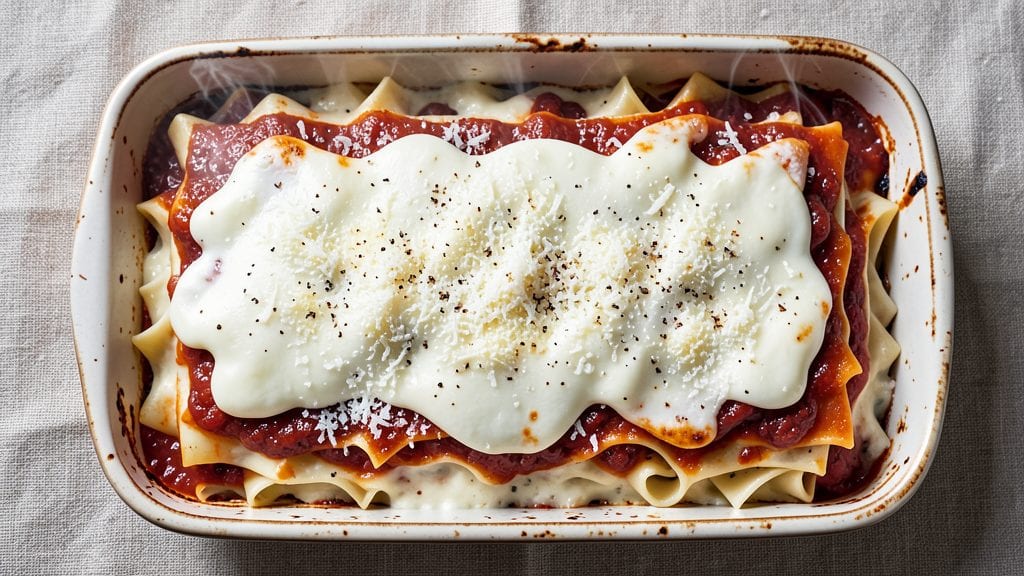
Betty Crocker's cottage cheese lasagna delivers all the cheesy comfort of classic lasagna with a lighter twist—creamy layers that stay rich without the heaviness. I developed this version after realizing cottage cheese could replace ricotta while keeping that signature melt-in-your-mouth texture.
The key is balancing its mild tang with sharp mozzarella and Parmesan for depth that rivals traditional recipes.
This recipe maintains the classic lasagna assembly you know and love—noodles, sauce, cheese, and a crispy top—but swaps ricotta for cottage cheese to cut fat while boosting protein.
The layers stay tender and flavorful even after baking at 375°F for 35 minutes, with a golden brown crust that signals perfect results. It's the kind of dish that feels indulgent yet lighter, perfect for family dinners or meal prep.
What sets this apart is how the cottage cheese creates a velvety, slightly tangy filling that holds up through baking, while the mozzarella and Parmesan blend delivers that unmistakable lasagna richness.
Each forkful delivers creamy texture with bold Italian flavors—no one will guess it's a lighter version. The best part? It's just as satisfying as the original, with fewer compromises.
For extra depth, add sautéed spinach or mushrooms between layers, or swap half the cottage cheese for ricotta if you prefer a creamier texture. Either way, this lasagna proves lighter doesn't mean less flavorful. Let's build those cheesy layers!
Ingredients for betty crocker lasagna recipe with cottage cheese
Six layers of cheesy goodness with cottage cheese's creamy magic—no ricotta needed!
| Ingredient | Amount | Notes |
|---|---|---|
| No-Boil Lasagna Noodles 🍝 | 12 pieces | 9-inch size for even layers |
| Small-Curd Cottage Cheese 🧀 | 24 oz | 2% fat, drained well |
| Mozzarella Cheese 🧀 | 16 oz | Fresh, part-skim preferred |
| Parmesan Cheese 🧀 | 1 cup | Freshly grated, block form |
| Marinara Sauce 🍅 | 3 cups | Homemade or Rao's brand |
| Large Eggs 🥚 | 2 whole | Room temperature |
| Garlic Cloves 🧄 | 4 cloves | Minced, fresh preferred |
| Extra-Virgin Olive Oil 🫒 | ¼ cup | For sautéing garlic |
| Fresh Basil 🌿 | ¼ cup | Chopped, for garnish |
| All-Purpose Flour 🌾 | ½ cup | For egg wash |
| Salt 🧂 | 1 ½ tsp | Kosher or sea salt |
| Black Pepper 🌶️ | ½ tsp | Freshly ground |
| Dried Oregano 🍃 | 1 tsp | Italian blend preferred |
| Red Pepper Flakes 🌶️ | ½ tsp | Optional, for heat |
The cottage cheese is the secret weapon here. Small-curd, 2% fat works best—it blends smoother and holds its shape better than large curds. Kroger's or Walmart's store brands are perfect for this, but avoid the ultra-low-fat versions (they get gummy). Drain it in a colander for 10 minutes before mixing to cut excess moisture. Fresh mozzarella is a game-changer too—Whole Foods or local Italian markets carry the best, but Sargento part-skim from the grocery store works in a pinch. The Parmesan? Always grate it yourself from a wedge—pre-grated tastes like sawdust in comparison. (And trust me, the extra 2 minutes is worth it.)
No no-boil noodles? Regular lasagna noodles work—just boil them al dente and drain well. Marinara sauce from a jar? Rao's or Barilla are my go-tos, but homemade is even better. Short on basil? Dried oregano at half the amount keeps the Italian vibe. The garlic can be pre-minced from a jar (I won't judge), but fresh is always better. Want extra depth? Sauté 1 cup of mushrooms or spinach in the olive oil with the garlic—add them to the filling layer. The egg wash? Mix the eggs with a splash of water and a pinch of salt for that golden crust everyone loves.
This lasagna tastes even better the next day—honestly, it's the best part. Keeps 4-5 days in the fridge, covered tightly. Freezes beautifully too—3 months with the layers still intact. I always bake an extra sheet and freeze it for lazy weeknights. To reheat, cover with foil and warm at 350°F for 20 minutes. The best part? Leftovers reheat perfectly—no soggy noodles here!
Why You'll Love This Recipe
- No-Boil Magic: I swear by those lasagna noodles—just layer, bake, and forget about the boiling pot. No waiting, no fuss, and zero risk of mushy noodles ruining your dinner.
- Cottage Cheese Secret: Honestly, the small-curd cottage cheese makes this lasagna ridiculously creamy without being heavy. It blends into the sauce like butter, adding that tangy richness that keeps me coming back.
- Weeknight to Potluck: This recipe works for lazy Tuesday nights and Sunday gatherings—same dish, different vibes. Double the batch, freeze half, and you’ve got a stress-free meal for when company drops by.
- Budget-Friendly Leftovers: Between us, cottage cheese stretches the filling further than ricotta, and that parmesan on top makes every slice feel special. Three days of lunches, and I’m still not sick of it.
Step-by-step instructions for Betty Crocker cottage cheese lasagna
This creamy, cheesy lasagna delivers all the comfort without the guilt—rich layers built with cottage cheese for that signature Betty Crocker touch.
Prepare the Cottage Cheese Filling
In a large bowl, combine the 24 oz small-curd cottage cheese, 2 whole large eggs, 0.5 cup all-purpose flour, 1.5 tsp salt, 0.5 tsp black pepper, 1 tsp dried oregano, and 0.5 tsp red pepper flakes. Use a hand mixer or whisk to blend until completely smooth and creamy—this ensures no lumps in your lasagna layers. The mixture should be thick but spreadable, like a rich, tangy cheese sauce.
Here's the thing—draining the cottage cheese beforehand makes all the difference. Press it in a cheesecloth-lined colander for 10 minutes to remove excess moisture. This prevents a watery lasagna. Taste the mixture now; adjust seasoning if needed, but trust the recipe first—it's perfectly balanced for that classic Betty Crocker flavor.
Sauté Garlic for Extra Flavor
Heat 0.25 cup extra-virgin olive oil in a large skillet over medium heat. Add the 4 cloves minced garlic and sauté for 1-2 minutes until fragrant but not browned—you want aroma, not bitterness. Immediately remove from heat and let cool for 5 minutes. Stir this garlic oil into the cottage cheese mixture, distributing it evenly throughout.
This step transforms your lasagna from good to extraordinary. The garlic adds depth that complements the cottage cheese's tanginess. Don't skip cooling the garlic oil—hot oil can cook the eggs in your mixture prematurely, making it curdle. Patience here guarantees a smooth, velvety texture in every bite.
Assemble the Lasagna Layers
Preheat your oven to 375°F. In a 9x13-inch baking dish, spread 1 cup marinara sauce on the bottom. Add 4 no-boil lasagna noodles, slightly overlapping them at the edges. Spread half of the cottage cheese mixture evenly over the noodles, then sprinkle with 8 oz mozzarella cheese and ½ cup parmesan cheese. Repeat with another layer of noodles, remaining cottage cheese, 8 oz mozzarella, and ½ cup parmesan. Top with the final 4 noodles, remaining 1 cup marinara sauce, and remaining 8 oz mozzarella.
The key to perfect lasagna lies in these layers. Don't overfill—press the noodles gently to remove air bubbles. The cottage cheese mixture should peek through slightly between layers, ensuring that creamy flavor in every forkful. The mozzarella should melt into a golden blanket on top, while the parmesan adds that nutty, salty crunch.
Bake to Golden Perfection
Cover the baking dish tightly with aluminum foil and bake for 30 minutes. Remove the foil and bake for another 10-15 minutes until the top is golden brown and bubbly. The edges should be crisp while the center remains creamy—this is your visual cue. If it browns too quickly, tent loosely with foil to prevent burning.
Here's where the magic happens: the no-boil noodles absorb the sauce perfectly without turning mushy. Let the lasagna rest for 15 minutes before slicing—this allows the layers to set and prevents a runny mess. The cottage cheese filling will have thickened beautifully, creating that signature creamy texture that makes this lasagna so special.
Garnish and Serve
Remove from the oven and sprinkle the 0.25 cup chopped fresh basil over the top. Let it sit for 2-3 minutes so the basil releases its aroma. Serve immediately with a side salad or garlic bread—this lasagna is best enjoyed fresh from the oven when the layers are still warm and gooey.
Each slice should reveal those perfect layers: tender noodles, creamy cottage cheese filling, and melted mozzarella. The basil adds a bright, fresh contrast to the rich flavors. Leftovers? Reheat covered in the oven at 350°F for 20 minutes—the layers hold up beautifully, though nothing beats that first serving straight from the oven.
Pro Tips For Making Betty Crocker Lasagna Recipe With Cottage Cheese
- Drain Cottage Cheese First: I learned this the hard way—skipping this step makes your lasagna soggy. After mixing cottage cheese with marinara, let it sit in a colander for 10 minutes to release excess whey. Trust me, your layers will stay crispier longer.
- Layer Thin, Even Sauce: Spread marinara sauce thinly between layers—about ¼ cup per 9x13 pan. Thick glops pool and drown the noodles, while a light coat lets flavors meld without mush. Think "paint, don’t dump."
- Press Noodles Flat: No-boil noodles resist bending, but don’t stack them like pancakes. Press each layer firmly with a spatula—especially the first and last—to prevent gaps where sauce hides. Uneven layers = uneven cooking.
- Pre-Bake the Top: Before covering with foil, sprinkle a final layer of mozzarella and broil for 2 minutes. This creates a golden crust instead of a sad, steamed lid. Watch like a hawk—cheese burns faster than you think.
Troubleshooting great betty crocker lasagna recipe with cottage cheese
Watery Layers Fix
If your lasagna comes out watery, it’s almost always from excess moisture in the cottage cheese. Drain it thoroughly in a cheesecloth-lined colander for 15 minutes before mixing—this removes up to 20% of the liquid.
For extra insurance, add ½ cup extra flour to the filling mixture and bake uncovered for the last 5 minutes to evaporate any residual moisture. 💧
Noodles Too Soft
Overcooked noodles turn mushy because they absorb too much sauce. Use no-boil noodles as directed, but if you’re using regular lasagna noodles, boil them just 1 minute less than package instructions.
Press them gently into the sauce when layering to prevent gaps where excess liquid can pool. For a crispier texture, add a ¼ cup breadcrumbs to the top layer before baking.
Uneven Baking
Lasagna bakes unevenly when the center stays undercooked while the edges burn. Rotate the pan halfway through baking (after 20 minutes of covered time) to ensure even heat distribution.
If the top browns too quickly, tent loosely with foil and check the internal temperature—it should reach 165°F in the thickest part. A meat thermometer is your best friend here. 🌡️
Filling Separates
The cottage cheese mixture may curdle if the eggs cook too quickly. Always cool the garlic oil completely before mixing it in, and avoid adding hot ingredients to the filling.
For extra stability, whisk in 1 tbsp cornstarch or arrowroot powder with the flour—this thickens the filling and prevents separation. Stir gently when layering to avoid breaking the eggs.
Bland Flavor
Cottage cheese can taste mild, so boost flavor with these tricks: Add 1 tsp lemon zest or ½ tsp onion powder to the filling, and use freshly grated Parmesan (not pre-grated).
For depth, sauté ½ cup mushrooms or spinach in the garlic oil and fold them into the cottage cheese mixture. A pinch of nutmeg or smoked paprika also elevates the dish. 🌿
Soggy Top Layer
A soggy top layer usually means the lasagna didn’t rest long enough after baking. Let it sit 15-20 minutes before slicing—this lets the cheese set properly. For a crispier crust, sprinkle ¼ cup breadcrumbs on the final mozzarella layer before baking.
If you’re short on time, broil for 1-2 minutes at the end (watch closely to avoid burning).
Nutrition facts
Frequently asked questions
Why use cottage cheese instead of ricotta in lasagna?
Cottage cheese brings a lighter, protein-rich alternative that still delivers creamy texture and tangy depth. The small curds blend smoothly when mixed with eggs and flour, creating a filling that holds its shape during baking. Plus, it's more budget-friendly and widely available than ricotta while cutting saturated fat by up to 30%.
Can I make this lasagna ahead of time?
Assemble the lasagna up to 24 hours ahead and refrigerate uncovered. Bake directly from the fridge, adding 10-15 extra minutes covered with foil. For freezing, bake completely, cool to room temperature, then wrap tightly in foil and plastic wrap. It keeps for 3 months—just thaw overnight in the fridge before reheating.
What's the secret to preventing soggy noodles?
Use no-boil noodles as directed, but if substituting regular lasagna noodles, boil them 1 minute less than package instructions. Press them gently into the sauce when layering to eliminate air pockets. The key is balancing sauce-to-noodle ratio—don't overfill layers, and always bake covered for the first 30 minutes to trap steam.
How do I fix cottage cheese that's too watery?
Drain the cottage cheese in a cheesecloth-lined colander for 15 minutes before mixing. For extra insurance, add ½ cup extra flour to the filling mixture. If your lasagna still seems too wet after baking, broil uncovered for 2-3 minutes at the end to evaporate excess moisture. The goal is a thick, spreadable filling—not a soupy one.
Can I add meat or vegetables to this recipe?
Yes! Brown 1 pound ground beef or Italian sausage with garlic and herbs, then mix into the marinara sauce. For vegetables, sauté 1 cup spinach or mushrooms with the garlic oil and fold into the cottage cheese filling. Just be mindful of moisture—drain well-cooked veggies thoroughly before adding. The cottage cheese filling can handle up to 2 cups of mixed add-ins.