
Main Courses
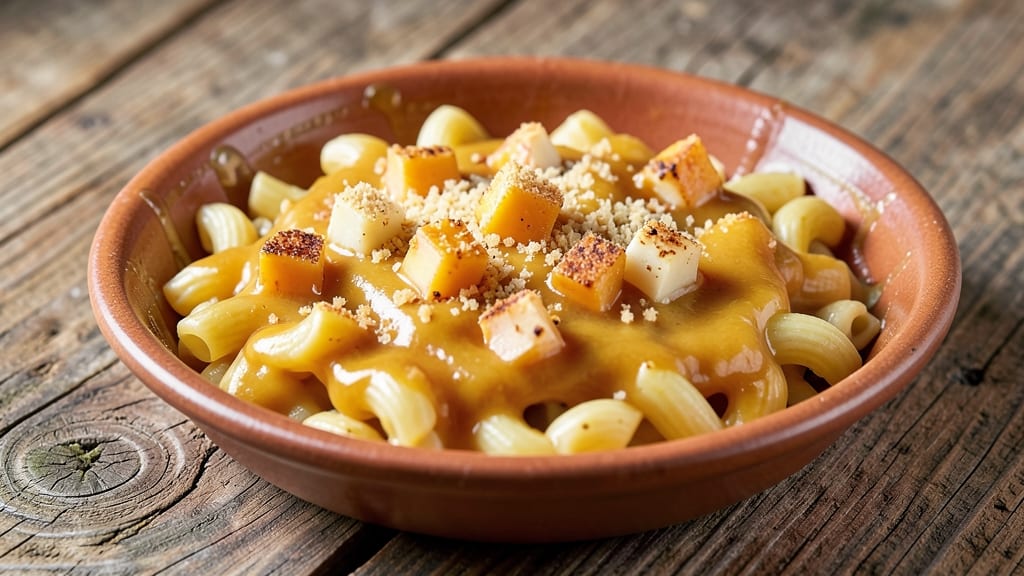
Recreating Bob Evans' signature mac and cheese means mastering that perfect balance of creamy, cheesy goodness topped with a golden, crispy breadcrumb crown. This isn't just comfort food—it's a restaurant-quality dish that delivers rich, velvety layers of cheddar and a satisfying crunch on top.
The secret lies in the cheese sauce foundation, where precise timing and proper technique ensure no lumps or separation.
What sets this recipe apart is the methodical approach to building flavor—starting with a roux that forms the base for the cheese sauce, then incorporating sharp cheddar and a touch of cream for that signature Bob Evans texture.
The breadcrumb topping isn't just decorative; it's the final touch that adds both visual appeal and that satisfying crunch every bite deserves. This isn't a quick weeknight hack; it's a methodical process that rewards patience with professional results.
By the time you pull this casserole from the oven, you'll have a dish that's creamy in the center with a perfectly golden crust on top—just like Bob Evans serves it.
The cheese sauce should be thick enough to coat the pasta completely yet still silky smooth, while the breadcrumb crown remains crispy enough to hold its shape.
This is the kind of mac and cheese that makes people ask for seconds, and once you master it, you'll never go back to store-bought.
The beauty of this recipe is its versatility—serve it as a main dish for family dinners or bring it to potlucks where it's always the first to disappear. The method scales easily, so you can make a single serving or feed a crowd without sacrificing quality.
With just a few key ingredients and precise techniques, you'll achieve restaurant-quality mac and cheese that tastes like it came straight from Bob Evans' kitchen.
Ingredients for bob evans mac n cheese
Pantry staples and restaurant-quality technique combine for Bob Evans' signature mac and cheese.
| Ingredient | Amount | Notes |
|---|---|---|
| Elbow Macaroni 🍝 | 12 oz | Dry, medium or short elbow |
| Unsalted Butter 🧈 | ½ cup | Cold, cut into small cubes |
| All-Purpose Flour 🌾 | ½ cup | For roux, sifted preferred |
| Sharp Cheddar Cheese 🧀 | 3 cups | Shredded, 2-year aged preferred |
| Heavy Cream 🥛 | 1 cup | Full-fat for creamy texture |
| Whole Milk 🥛 | 1 cup | Warmed for smooth sauce |
| Garlic Cloves 🧄 | 2 cloves | Minced, for roux flavor |
| Dry Breadcrumbs 🍞 | ¾ cup | Panko for extra crunch |
| Parmesan Cheese 🧀 | ¼ cup | Freshly grated, for topping |
| Melted Butter 🧈 | ¼ cup | For breadcrumb mixture |
| Salt 🧂 | 1 ½ tsp | Kosher salt, adjust to taste |
| Ground Black Pepper 🌶️ | ½ tsp | Freshly ground for heat |
| Dried Mustard Powder 🌿 | ½ tsp | For subtle tang |
| Paprika 🌶️ | ¼ tsp | Smoked for color and depth |
The cheese is non-negotiable here. Sharp cheddar aged at least two years delivers that signature tang—Kraft or pre-shredded won't cut it. For the best flavor, shred your own from a block. Whole Foods or specialty cheese shops carry ideal options, but any well-aged cheddar works. The butter matters too—use unsalted and keep it cold until the roux forms. For the breadcrumbs, panko gives that extra crunch, but regular dry breadcrumbs work in a pinch. The garlic should be freshly minced—jarred minced garlic lacks the bright flavor.
No sharp cheddar? Monterey Jack and Gruyère blend works surprisingly well. Short on heavy cream? Half-and-half plus extra milk keeps the sauce rich. The mustard powder is key for that subtle tang—Dijon mustard at half the amount works if you're out. For the breadcrumb topping, crushed cornflakes add an interesting texture variation. The smoked paprika? Regular paprika plus a pinch of liquid smoke mimics the effect. Pro tip: Toast your breadcrumbs lightly before mixing with butter for extra depth of flavor.
This casserole reheats beautifully—350°F for 15-20 minutes restores that creamy texture. Store leftovers in the fridge for 4-5 days with a tight lid to prevent drying. Freezes well for up to 3 months—just thaw overnight in the fridge before reheating. For serving, a sprinkle of extra freshly grated Parmesan adds that restaurant-quality finish. The breadcrumb topping stays crispy if you assemble it just before baking, not in advance.
Why You'll Love This Recipe
- Fewer Ingredients, More Magic: I swear by this recipe because it’s that simple—just five staples, no weird substitutions. The butter and flour roux builds real depth, and the sharp cheddar melts into something velvety without overpowering. Honestly, I’ve tried fancy mac and cheese with 10 ingredients, and this still wins.
- Creamy Without the Guilt: That heavy cream makes it impossibly smooth, but here’s the trick: the flour roux thickens it just enough so it doesn’t feel heavy. It’s rich, sure, but it’s the kind of comfort you don’t have to apologize for—especially when paired with a simple green salad or roasted veggies.
- Weeknight to Potluck Hero: Between us, this is my go-to for lazy nights and when I need to bring something crowd-pleasing. Double the batch, freeze half, and reheat it later—it’s the ultimate lazy-day lifesaver. (Yes, even on a Tuesday night.) The elbow pasta holds up perfectly, so it’s great cold or warm.
- Budget That Doesn’t Skimp: Sharp cheddar and heavy cream might sound fancy, but they stretch further than you’d think. I’ve made this for six people for under $15, and no one ever questions the quality. It’s the kind of dish where the ingredients shine without breaking the bank—proof that good food doesn’t need a grocery haul.
Step-by-step instructions for Bob Evans mac and cheese recipe
Here's how to create the signature Bob Evans baked mac and cheese with a golden, crispy breadcrumb crown.
Cook the Elbow Macaroni to Perfect Al Dente
Bring a large pot of water to a rolling boil and add the 12 oz elbow macaroni. Season the water generously with salt—it should taste like the ocean. Cook the pasta until it's al dente, which means it should have a slight bite in the center but be tender around the edges. This typically takes about 8-10 minutes.
Drain the pasta in a colander, but don't rinse it. The starch on the pasta helps create a creamy sauce later. I like to shake the colander gently to remove excess water, but leave some of that starchy liquid behind. Set the drained pasta aside while you prepare the roux.
Make the Creamy Cheese Sauce with Garlic Roux
In a large, heavy-bottomed pot, melt the 0.5 cup unsalted butter over medium heat. Once the butter is fully melted and foaming, add the 0.5 cup all-purpose flour and the 2 cloves minced garlic cloves. Stir constantly with a wooden spoon for 2-3 minutes until the mixture forms a smooth, golden roux and the raw flour taste disappears.
Slowly pour in the 1 cup heavy cream and 1 cup whole milk while whisking continuously to prevent lumps from forming. Bring the mixture to a gentle simmer and cook for 5-7 minutes, stirring frequently, until it thickens enough to coat the back of a spoon. This is your base sauce—it should be smooth and velvety.
Add Cheese and Seasonings for Rich Flavor
Reduce the heat to low and gradually add the 3 cups shredded sharp cheddar cheese, stirring constantly until fully melted and smooth. If the cheese clumps, add a splash of milk to help it incorporate. Stir in the 1.5 tsp salt, 0.5 tsp ground black pepper, 0.5 tsp dried mustard powder, and 0.25 tsp paprika. Taste and adjust the seasoning if needed.
Once the cheese is fully melted, remove the pot from heat and gently fold in the cooked elbow macaroni. The pasta will absorb some of the sauce, so don't worry if it looks slightly dry at first. The mixture should be thick but still spoonable. Transfer the macaroni and cheese to a greased 9x13-inch baking dish and spread it evenly.
Prepare the Crispy Breadcrumb Crown
In a small bowl, combine the 0.75 cup dry breadcrumbs, 0.25 cup freshly grated parmesan cheese, and 0.25 cup melted butter. Mix until the breadcrumbs are evenly coated and the mixture resembles wet sand. Spread this mixture evenly over the top of the macaroni and cheese in the baking dish, pressing down gently to ensure good contact.
Here's the key to that perfect crispy crown: Sprinkle a pinch of salt and a dash of paprika over the breadcrumb topping. This enhances flavor and helps create a beautiful golden color. Place the baking dish on a baking sheet to catch any potential spills.
Bake to Golden Perfection
Preheat your oven to 375°F. Bake the macaroni and cheese for 20-25 minutes until the top is golden brown and the edges are bubbling. The breadcrumb crown should be crispy to the touch—this is what sets this recipe apart from regular mac and cheese.
Let the macaroni and cheese rest for 5-10 minutes before serving. This resting time allows the layers to set slightly and makes it easier to slice. The result should be a creamy, cheesy center with a crispy, golden-brown top that adds texture and flavor to every bite.
Pro Tips For Making Bob Evans Mac N Cheese
- Cook pasta al dente: The Bob Evans recipe relies on elbow macaroni that’s just tender—not mushy. Taste a piece at 1 minute before the package says “done.” I learned this the hard way—overcooked pasta soaks up the sauce like a sponge, turning your creamy masterpiece into a sad, watery mess.
- Melt butter slow: When making the roux, melt the butter over medium-low heat—no rushing. Unsalted butter burns faster than you think, and a burnt roux will make your sauce taste bitter. Stir constantly and keep the heat steady; this isn’t the time to walk away.
- Grate cheese fine: Skip the food processor for sharp cheddar—it turns into a paste. Use a box grater and pulse in short bursts if needed, but aim for small, uneven shreds. Large chunks won’t melt evenly, and you’ll end up with a lumpy, unappetizing texture. Trust me, your mouth will notice.
- Temper the cream: Warm the heavy cream slightly (just until it’s cool to the touch) before adding it to the roux. Cold cream shocks the butter and can break the emulsion, making your sauce split. A few seconds in the microwave or a warm bowl does the trick—no one wants to salvage a curdled mess.
Common mistakes when making your bob evans mac n cheese
Overcooking the Pasta
Cooking elbow macaroni until it's mushy is a common mistake that ruins the texture. The goal is al dente—a slight bite in the center. Overcooked pasta absorbs too much sauce, making the final dish watery.
I've learned to test pasta by tasting it 30 seconds before the package's suggested cook time. If it's perfectly tender with a tiny bite, it's ready. 🍝
Skipping the Roux
The roux is the foundation of that signature creamy texture, and skipping it or rushing it leads to a thin, grainy sauce. Cook the butter and flour mixture over medium heat for at least 2-3 minutes until it turns golden and smells nutty.
This step removes the raw flour taste and creates a velvety base. I've seen people add cheese too soon, resulting in lumps that never dissolve.
Adding Cheese Too Fast
Dumping all the cheese at once causes clumping, even with stirring. Instead, add the sharp cheddar gradually while constantly stirring on low heat. If clumps form, immediately add a splash of warm milk to break them up.
I've had to start over when cheese clumps turned into cheese balls—trust me, it's not pretty. The sauce should be smooth enough to coat the back of a spoon before adding pasta.
Underseasoning the Sauce
Tasting before serving is crucial—many people forget to adjust seasoning after mixing everything. The sauce needs 1.5 tsp salt, 0.5 tsp pepper, and that 0.5 tsp mustard powder for depth.
I've made this mistake and ended up with bland mac and cheese that needed extra salt at the table. Taste as you go, especially after adding cheese, since different cheddar brands vary in saltiness.
Breadcrumb Topping Too Dry
The breadcrumb crown needs enough butter to stick together and crisp properly. If the mixture feels crumbly, add 1 tsp more melted butter. I've seen toppings turn to dust when people skimp on the butter or use stale breadcrumbs.
Press the topping gently into the cheese before baking to ensure even contact—this creates that perfect crispy layer we all crave. 💡
Baking at Wrong Temperature
Using 375°F is critical for both the breadcrumb crown and the creamy center. Too low (350°F) results in a soggy topping, while too high (400°F+) burns the outside before the center cooks.
I've ruined several batches by eyeballing the temperature—always use an oven thermometer to verify your oven's accuracy. The breadcrumbs should turn golden brown in 20-25 minutes with no dark spots.
Nutrition facts
Frequently asked questions
Why does Bob Evans mac and cheese have a breadcrumb topping?
The crispy breadcrumb crown isn't just decoration—it's the signature texture that makes this dish special. The buttery panko adds a satisfying crunch that contrasts perfectly with the creamy cheese sauce below. This technique comes from classic American casserole traditions where toppings create both visual appeal and textural contrast.
Can I make this recipe without baking?
Skip the breadcrumb topping and serve the macaroni and cheese stovetop. Cook the pasta, make the cheese sauce, and fold in the noodles. For extra richness, melt 1 tablespoon butter on top and sprinkle with extra cheese before serving. The texture will be creamier but still delicious.
What's the secret to getting the perfect creamy texture?
The roux is everything! Cook the butter and flour mixture until golden (about 2-3 minutes) to remove raw flour taste. Then slowly whisk in the milk while maintaining heat. Stir constantly when adding cheese to prevent clumping. The starch from the pasta also helps thicken the sauce naturally.
How far ahead can I prepare this dish?
You can assemble the casserole (without baking) up to 24 hours ahead and refrigerate. Bake straight from the fridge, adding 5-10 extra minutes to the cooking time. For freezing, bake first, then cool completely before wrapping tightly. Reheat covered at 350°F for 20-25 minutes until bubbly.
What's the best cheese substitute if I don't have sharp cheddar?
A blend of Monterey Jack and Gruyère works beautifully, or use white cheddar for a milder flavor. For extra richness, add 1/4 cup cream cheese to the sauce. Avoid pre-shredded cheese—the anti-caking agents can make the sauce grainy. Freshly grated always wins!