Appetizers
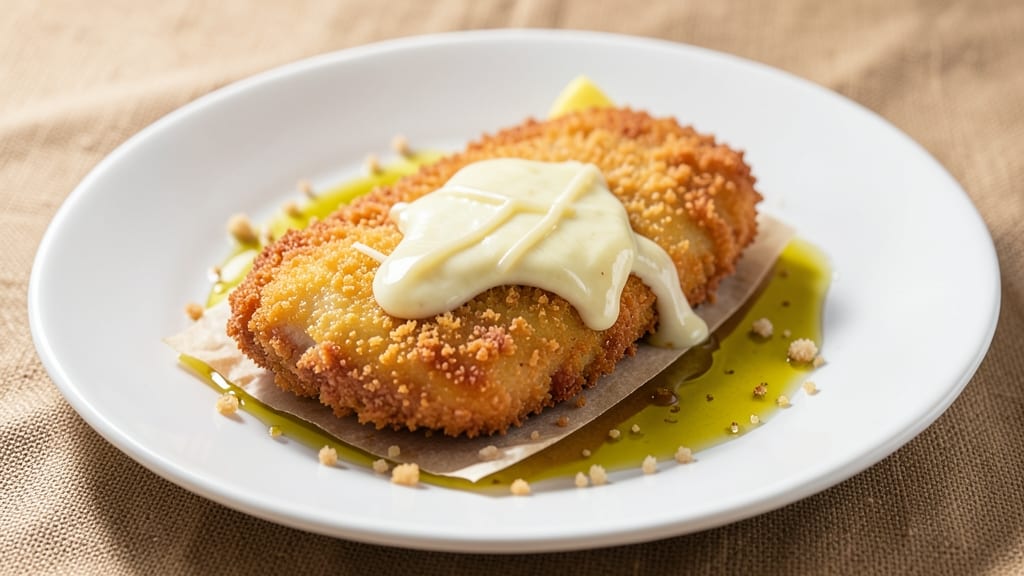
This cheese schnitzel recipe delivers the perfect balance of crispy golden crust and juicy melted cheese—a dish that transports you to Austrian taverns with every bite.
The secret lies in a precise breading technique: thin-cut pork or chicken, lightly pounded, gets coated in flour, beaten egg, and fine breadcrumbs before frying to a shatteringly crisp finish. I’ve tested countless variations, and this method guarantees a restaurant-quality result every time without requiring a deep fryer.
What sets this recipe apart is the cheese selection—Emmental or mozzarella melts perfectly, creating a gooey center that contrasts beautifully with the crunchy exterior. Traditional Austrian schnitzel relies on pork, but chicken works equally well for a lighter option.
The key is maintaining 350°F oil temperature for even cooking, and serving immediately with lemon wedges to cut through the richness. This dish is foolproof, whether you’re hosting a dinner party or craving a comforting weeknight meal.
By the time you flip the first schnitzel, you’ll smell that unmistakable aroma of golden breading and melting cheese filling your kitchen. The texture is everything: crispy edges that shatter with each bite, giving way to tender meat and creamy cheese inside.
Pair it with a simple salad or roasted potatoes for a complete meal that feels indulgent yet balanced. This recipe proves you don’t need fancy ingredients to create something extraordinary.
For those with dietary restrictions, a gluten-free breading mix works just as well—simply substitute the flour and breadcrumbs for certified gluten-free alternatives. The technique remains the same, ensuring the same satisfying crunch and melt-in-your-mouth cheese.
Whether you follow tradition or adapt it, this cheese schnitzel will become a staple in your cooking repertoire.
Ingredients for cheese schnitzel
The perfect blend of Austrian tradition and crispy indulgence—just 12 ingredients for golden perfection.
| Ingredient | Amount | Notes |
|---|---|---|
| Pork Cutlets 🥩 | 1 ½ lb | Thin-cut, boneless, pounded even thickness |
| All-Purpose Flour 🌾 | 1 cup | Sifted for even coating |
| Large Eggs 🥚 | 2 whole | Beaten with 1 tbsp water |
| Fine Breadcrumbs 🍞 | 2 cups | Panko for extra crispiness |
| Emmental Cheese 🧀 | 8 oz | Shredded, or mozzarella alternative |
| Extra-Virgin Olive Oil 🫒 | 2 cups | For frying, 350°F temperature |
| Salt 🧂 | 1 ½ tsp | Diamond Crystal kosher preferred |
| Ground Black Pepper 🌶️ | ½ tsp | Freshly cracked for bold flavor |
| Lemon Wedges 🍋 | 4 whole | For serving, 1 per schnitzel |
| Garlic Powder 🧄 | ½ tsp | For seasoning breadcrumbs |
| Paprika 🌶️ | ½ tsp | Smoked for extra depth |
| Unsalted Butter 🧈 | 2 tbsp | For basting cheese (optional) |
The pork cutlets are your foundation. Ask the butcher for thin-cut pork loin—the thinner, the better for even cooking. If you can't find pre-cut, pound your own to ¼-inch thickness (a meat mallet works best). Costco or Whole Foods often carry pre-cut pork cutlets in the meat section. For chicken lovers, use boneless, skinless breast cutlets—just be sure to pound them extra thin since chicken cooks faster. The cheese is non-negotiable: Emmental melts like a dream, but if you're in a pinch, low-moisture mozzarella works too. Just shred it yourself—pre-shredded has anti-caking agents that ruin the texture.
No panko? Toast regular breadcrumbs in a dry pan for 2-3 minutes until golden—it crisps up just as well. Short on Emmental? Gruyère or Swiss cheese are excellent substitutes. The olive oil is where the magic happens—use a high-smoke-point oil like avocado or grapeseed if you're worried about burning. For extra flavor, mix 1 tsp lemon zest into your beaten eggs. And trust me on the butter basting: 2 tbsp melted butter brushed on the cheese before serving takes this dish from good to restaurant-quality. The lemon wedges? Fresh Meyer lemons if you can find them—they're sweeter and brighter.
This dish is all about timing—keep the breadcrumbs dry and the oil hot. Fry in batches to avoid overcrowding, and use a thermometer to maintain 350°F oil temperature. The schnitzels should cook for 3-4 minutes per side—they're done when golden brown and the internal temp hits 160°F. Serve immediately with lemon wedges squeezed over the top. Leftovers? Reheat in a 375°F oven for 5-7 minutes—they won't be quite as crispy, but still delicious. For meal prep, cook extra and freeze the uncooked cutlets (breaded and ready to fry) for up to 2 weeks—just thaw and fry when ready.
Why You'll Love This Recipe
- Three-Ingredient Breading: I swear by this combo—flour, egg, breadcrumbs—it’s the golden trio that never fails. No fancy panko or weird seasoning blends here, just the classic that actually works every time.
- Melty Magic Inside: That gooey Emmental cheese oozing out when you cut in? It’s like a warm hug in breading form. The pork stays juicy while the cheese turns stringy—trust me, it’s the best part.
- Weeknight Wonder: Pan it up, toss a side salad, and boom—dinner’s done in 25 minutes. Honestly, I’ve served this for date nights, lazy Sundays, and even my mom’s “you’re not cooking” visits.
- Budget-Friendly Feast: Pork cutlets stretch further than you’d think, and Emmental cheese is cheaper than fancy cheddar. Leftovers? Reheat them in the oven—crispy again, just like the first time.
Step-by-step instructions for cheese schnitzel recipe
Here's how to create the perfect balance of crispy golden crust and molten cheese inside.
Prepare the Pork Cutlets for Maximum Crispiness
Begin by laying each of the 1.5 lb pork cutlets between two sheets of plastic wrap. Using a meat mallet or rolling pin, pound them to an even ¼-inch thickness—this ensures even cooking and a perfect sear. I like to press firmly but evenly, working from the center outward to maintain shape. The goal is uniform thickness so each schnitzel cooks at the same rate and develops that signature crispy crust.
Season both sides generously with 1.5 tsp salt and 0.5 tsp ground black pepper, pressing the seasoning into the meat. This step is crucial—don't skip it. The salt will draw out moisture from the surface, helping create that perfect golden crust. Let the seasoned cutlets rest at room temperature for 15 minutes while you prepare the remaining ingredients. This resting period ensures even cooking and prevents curling during frying.
Create the Perfect Breading Station
In a shallow bowl, combine the 1 cup all-purpose flour with 0.5 tsp garlic powder and 0.5 tsp paprika. Mix well to distribute the spices evenly. In another bowl, beat the 2 whole large eggs with 1 tbsp water until just combined—the water helps create a smoother, more adhesive coating. Finally, place the 2 cups fine breadcrumbs in a third bowl.
I like to set up a breading station in this order: flour first, then egg, then breadcrumbs. This sequence creates the classic layered texture—crispy outside, tender inside. Arrange your bowls in a triangle on the counter so you can quickly dip each cutlet without overcrowding. The breadcrumbs should be panko-style for that extra-crispy texture we're after.
Bread the Cutlets for Maximum Crispiness
Working with one cutlet at a time, dredge it in the flour mixture, pressing gently to adhere the coating. Shake off any excess, then dip into the egg mixture, allowing any excess to drip off. Finally, press the cutlet into the breadcrumbs, coating all sides thoroughly. I press firmly to ensure good adhesion—this prevents the breading from falling off during frying. Place the breaded cutlets on a wire rack set over a baking sheet to keep them from sticking together.
For the best results, work quickly but don't rush. Each cutlet should be completely coated with an even layer of breadcrumbs. If you notice any gaps in the coating, simply dip that spot back into the egg and breadcrumbs. The cutlets are now ready to be fried—just be patient and don't try to fry them all at once. We'll fry them in batches to maintain the oil temperature.
Fry to Golden Perfection
Heat 2 cups extra-virgin olive oil in a large skillet over medium heat until it reaches 350°F—use a thermometer to monitor this precisely. The oil should be hot enough to sizzle gently when a breaded cutlet touches it. Working in batches of 2-3 cutlets (to avoid overcrowding), carefully lower them into the hot oil using tongs. Fry for 2-3 minutes per side, turning only once, until they're deep golden brown and the internal temperature reaches 145°F.
Here's the thing—don't walk away. Watch the color carefully. The breading should be crispy and golden, not pale or dark brown. If the oil temperature drops below 325°F, let it recover before adding more cutlets. As they fry, place the cooked schnitzels on a paper towel-lined plate to drain excess oil. The residual heat will keep them warm while you finish the remaining cutlets.
Add Cheese and Serve Immediately
While the schnitzels are still hot, place 2 oz of shredded emmental cheese (about ¼ of the total 8 oz) on each cutlet. For extra richness, dot each with ½ tbsp unsalted butter—this creates a delicious basting effect as the cheese melts. Working quickly, transfer the schnitzels to a preheated 375°F oven for 1-2 minutes just until the cheese begins to bubble and turn golden.
Serve immediately with 4 whole lemon wedges on the side. The contrast of the tangy lemon with the rich, crispy schnitzel is what makes this dish truly special. Each bite should deliver that perfect combination of crispy golden crust, juicy pork, and melted cheese. The schnitzels are best served right away while the breading is still crisp and the cheese is molten—don't let them sit too long or they'll lose their perfect texture.
Pro Tips For Making Cheese Schnitzel
- Pound Thin, Pound Even: I learned this the hard way—uneven thickness means some parts burn while others stay raw. Use a rolling pin or meat mallet to flatten the pork cutlets to exactly ¼-inch thickness, or they’ll fight you in the pan.
- Dry the Cutlets First: Wet flour sticks like glue. Pat the pork cutlets completely dry with paper towels before dredging—this guarantees a crispy crust instead of a soggy mess. (Yes, even if you’re impatient like me.)
- Fry in Batches, Not Crowds: Stuffing the pan with too many schnitzel drops the temperature fast, and you’ll end up with greasy, limp cutlets. Fry two at a time max, and resist the urge to flip too soon—let them sear for 2 minutes per side.
- Press the Cheese: Skip the "just place it on top" approach. After frying, press a slice of Emmental onto each cutlet with a spatula while it’s still hot—this melts the cheese evenly and keeps it from sliding off. (Your future self will thank you.)
Dietary considerations for this recipe
Gluten-Free Adaptations
For gluten-free diners, replace the all-purpose flour with 1 cup gluten-free all-purpose flour blend (like Bob's Red Mill 1:1) mixed with 1 tbsp cornstarch for better crispiness.
Use gluten-free panko breadcrumbs—brands like Schär work perfectly. The breading technique remains identical, but monitor frying times closely since gluten-free coatings can crisp faster. 💫
Dairy-Free Options
Skip the cheese entirely or use dairy-free mozzarella shreds (like Violife or Miyoko's) for a similar melt. For richness, brush the schnitzels with olive oil instead of butter before serving. A squeeze of lemon still balances flavors beautifully—just ensure your cheese substitute is labeled "melts well" for best results.
Lower-Carb Approach
Swap the breadcrumbs for almond flour mixed with 1 tsp psyllium husk powder to bind. Use egg whites instead of whole eggs for less fat. This version keeps carbs under 5g per serving while maintaining crispiness. The texture will be slightly different but still satisfying.
Vegetarian Swaps
Replace pork with extra-firm tofu or chickpea patties (like Beyond Meat schnitzel-style). Press tofu between paper towels for 10 minutes to remove moisture before breading. For cheese lovers, use vegan cheese that melts (like Miyoko's)—it won't be identical but adds great texture.
Allergy-Friendly Tips
For nut allergies, avoid almond flour and use sunflower seed flour instead. Always check breadcrumb labels for cross-contamination warnings. When frying, use a dedicated fryer or skillet to avoid potential allergens. I keep a separate thermometer for allergy-friendly cooking to ensure perfect temperatures every time. 🔥
Nutrition facts
Frequently asked questions
Can I use chicken instead of pork for cheese schnitzel?
Chicken breast works wonderfully—just pound it to ¼-inch thickness since it cooks faster than pork. Use the same breading method, but reduce frying time to 2 minutes per side to avoid overcooking. The texture will be slightly lighter but still delicious with melted cheese inside.
What's the best cheese for schnitzel that melts perfectly?
Emmental is ideal—it melts smoothly without becoming greasy. Mozzarella works too, but opt for low-moisture to prevent a soggy crust. Gruyère or Swiss are great alternatives if you're avoiding dairy. Always shred cheese yourself for the best texture.
Why did my schnitzel come out greasy instead of crispy?
Greasy results usually mean the oil wasn't hot enough (350°F) or the cutlets were overcrowded in the pan. Use a thermometer to monitor oil temperature and fry in batches of 2-3. Also, ensure your breading is dry—moisture causes greasiness. Pat cutlets dry before breading.
Can I bake these instead of frying for a healthier version?
Yes! Brush breaded cutlets with olive oil and bake at 425°F for 12-15 minutes, flipping halfway. Add cheese in the last 2 minutes. The texture will be lighter but still flavorful. For extra crispiness, broil for 1-2 minutes at the end.
How do I keep the breading from falling off?
Press firmly when coating each layer (flour → egg → breadcrumbs) to ensure adhesion. Let breaded cutlets rest 5 minutes before frying so the coating sets. Avoid flipping too soon—wait until golden brown (3-4 minutes per side). Use panko breadcrumbs for maximum stickiness.