
Appetizers
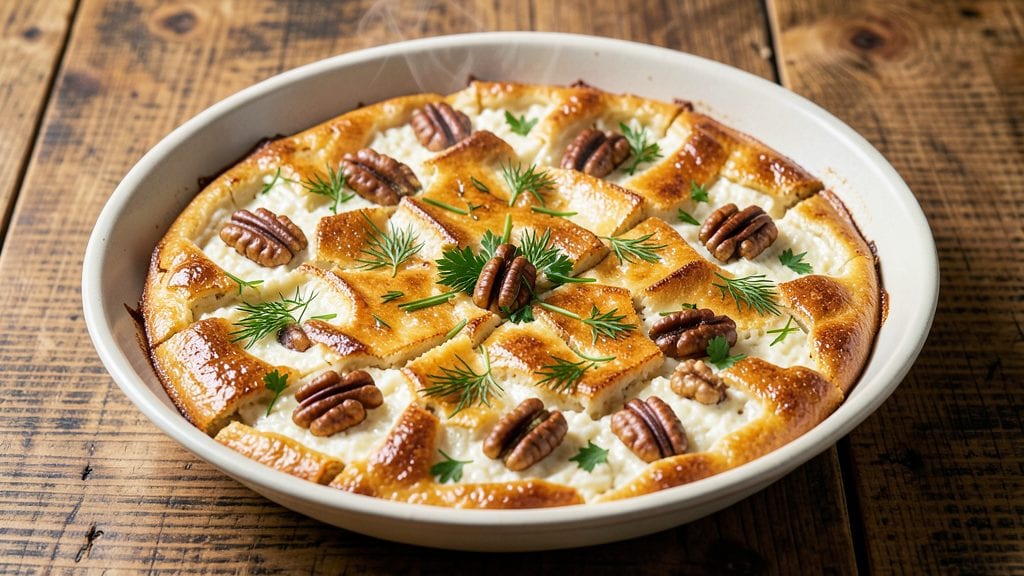
This cottage cheese bark recipe transforms humble cottage cheese into a crispy, savory-sweet snack that looks as impressive as it tastes.
The secret lies in blending it with herbs, nuts, and a touch of sweetness before baking until golden—creating a delicate balance of textures: shatteringly crisp edges and creamy, tangy swirls beneath.
I developed this after craving something that combined the protein-packed goodness of cottage cheese with the satisfying crunch of baked goods.
What makes this recipe stand out is how foolproof it is—no special equipment needed, just a mixing bowl and a baking sheet.
The process starts with blending cottage cheese until smooth, then folding in your choice of herbs (like dill or parsley), nuts (walnuts or pecans work beautifully), and a hint of sweetener to complement the tang.
The result is a sheet of rich, creamy cheese that bakes into a crispy, golden bark with pockets of softness.
By the time it emerges from the oven, you’ll have a snack that’s crispy on the outside and velvety inside, with layers of flavor from the herbs and nuts.
It’s perfect for parties, game day, or even a sophisticated appetizer—elegant enough to serve at gatherings but simple enough for a weeknight treat. The best part? It keeps well in the fridge for up to five days, making it an easy make-ahead option.
Serve it in small squares for easy snacking or break it into chunks for a crunchy topping on salads. The contrast of textures and flavors—tangy, creamy, and crispy—makes this recipe a standout for anyone looking to elevate cottage cheese beyond breakfast bowls. Let’s get baking!
Ingredients for cottage cheese bark
Crispy, golden bark with creamy tangy swirls—just eight ingredients transform cottage cheese into a showstopper.
| Ingredient | Amount | Notes |
|---|---|---|
| Large Egg Whites 🥚 | 4 whole | Room temperature for best volume |
| Full-Fat Cottage Cheese 🧀 | 16 oz | 2% or whole milk for creaminess |
| Fresh Dill 🌿 | ⅓ cup | Chopped finely for vibrant flavor |
| Fresh Parsley 🌿 | ¼ cup | Chopped, for fresh herbal notes |
| Walnuts 🥜 | ½ cup | Toasted and roughly chopped |
| Pecans 🥜 | ½ cup | Toasted and roughly chopped |
| Extra-Virgin Olive Oil 🫒 | 2 tbsp | For crispiness and richness |
| Honey 🍯 | 2 tbsp | Local preferred for depth |
| Garlic Powder 🧄 | 1 tsp | For subtle savory depth |
| Sea Salt 🧂 | ½ tsp | Fine grain for even seasoning |
| Black Pepper 🌶️ | ¼ tsp | Freshly cracked for warmth |
The cottage cheese is the star, so full-fat or 2% works best—it creates that perfect creamy texture. Trader Joe's and Whole Foods carry excellent quality, but any brand in the dairy aisle will do. Fresh herbs like dill and parsley are non-negotiable for that bright, vibrant flavor. Penzeys or local farmers markets are ideal for the freshest bunch. Toasting your nuts (walnuts and pecans) in a dry pan for 3-4 minutes brings out their natural oils, making them even more flavorful and crunchy—don't skip this step. The honey should be local if possible, as it adds subtle floral notes that complement the tanginess of the cheese.
No dill? Substitute with chives or tarragon—both pair beautifully with cottage cheese. Short on pecans? Almonds or cashews work just as well, though the flavor will shift slightly. Want extra sweetness? Maple syrup replaces honey at a 1:1 ratio. For a savory twist, add 1/4 tsp smoked paprika to the mix. The olive oil is crucial—it helps create that crispy bark, so don’t use a light or refined oil. If you're watching calories, you can reduce the nuts by half, but the texture will be less shatteringly crisp.
This bark keeps beautifully in the fridge for 5 days, stored in an airtight container between layers of parchment paper to maintain crispness. For longer storage, freeze for up to 3 months—just thaw at room temperature before serving. The best part? It reheats perfectly in the oven at 300°F for 5-7 minutes to restore that golden crunch. I like to portion it into small squares for easy snacking, but it’s also fantastic broken into chunks for topping salads or adding to charcuterie boards.
Why You'll Love This Recipe
- No-Fuss Mix-In: I swear by this recipe because it’s the kind of thing you can assemble while chatting with someone else—just fold in those egg whites, sprinkle the dill and parsley, and toss in chopped walnuts. No measuring cups out, no fancy techniques, just dump-and-bake simplicity.
- Creamy Crunch Magic: That crispy bark exterior with the soft, herby cottage cheese center? It’s like a savory cloud with texture. The walnuts add a satisfying crunch, and the parsley-dill combo brightens every bite—honestly, it’s the kind of flavor that makes you forget it’s "just" cottage cheese.
- Snack for Any Occasion: Between us, this is my go-to for game day, lazy Sundays, or when I need something to tide me over between meals. It’s hearty enough to feel like a meal but light enough to pack in lunches—my kids grab it straight from the fridge, no reheating needed.
- Budget-Friendly Protein: Full-fat cottage cheese is a steal, and walnuts stretch farther than you’d think. I make a big batch on Sundays, store it in the fridge for up to five days, and even freeze slices for quick snacks. It’s cheaper than store-bought crackers but way more satisfying.
Step-by-step instructions for cottage cheese bark recipe
Transform simple ingredients into a crispy, herbed bark with creamy swirls—this method guarantees perfect texture every time.
Toast the Nuts for Depth of Flavor
Preheat your oven to 350°F. Spread the 0.5 cup walnuts and 0.5 cup pecans in a single layer on a baking sheet, ensuring they don't overlap. Toast for 8-10 minutes, stirring halfway, until they develop a rich, golden aroma and deepen in color.
Remove the nuts immediately and let them cool for 5 minutes before roughly chopping them with a knife. The toasted nuts add crunch and complexity—don't skip this step. If you prefer extra crispiness, toast them an additional 2 minutes until slightly darker.
Whip the Egg Whites to Stiff Peaks
In a clean, grease-free mixing bowl, beat the 4 whole Large Egg Whites with an electric mixer on medium speed until soft peaks form. Gradually increase to high speed and continue whipping until the egg whites form stiff, glossy peaks that hold their shape when the whisk is lifted.
This step is critical for achieving crispiness. If the egg whites don't hold their shape, try repeating the process with a fresh bowl—even a trace of fat can prevent proper whipping. Fold the egg whites gently into the cottage cheese mixture later to maintain their airiness.
Combine Cottage Cheese with Herbs and Seasonings
In a large bowl, mix the 16 oz Full-Fat Cottage Cheese with the 2 tbsp Honey, 1 tsp Garlic Powder, 0.5 tsp Sea Salt, and 0.25 tsp Black Pepper until smooth. Add the 0.33 cup Fresh Dill and 0.25 cup Fresh Parsley, stirring well to distribute the herbs evenly.
The cottage cheese should be creamy and uniform. If it appears too thick, add 1 tablespoon of water at a time until it reaches a smooth, spreadable consistency. This ensures the bark layers properly without cracking during baking.
Layer and Fold for Crispy Texture
Gently fold the stiffly whipped egg whites into the cottage cheese mixture using a spatula, being careful not to deflate them. Spread half of the mixture onto a parchment-lined baking sheet, creating an even layer about ¼-inch thick. Sprinkle half of the toasted nuts evenly over the top.
Add the remaining cottage cheese mixture on top, then sprinkle the remaining nuts. Use the back of a spoon to create gentle swirls in the top layer, creating a marbled effect. This layering technique ensures crispy edges while keeping the center creamy.
Bake Until Golden and Crisp
Bake at 350°F for 20-25 minutes until the top is deep golden brown and the edges pull away slightly from the parchment. Rotate the baking sheet halfway through for even browning—this prevents uneven crispiness.
Let the bark cool completely on the baking sheet for 1 hour before cutting into squares. The contrast between the crispy top and creamy swirls develops as it cools. Store in an airtight container for up to 3 days, or freeze for longer shelf life.
Pro Tips For Making Cottage Cheese Bark
- Whisk Egg Whites Aggressively: Use a stand mixer or hand mixer—no half-measures here. I learned this the hard way after folding in egg whites that were only partially stiff, which left my bark dense and sad. Beat them until they hold soft peaks, then fold gently into the cottage cheese to keep air trapped.
- Drain Cottage Cheese First: Full-fat cottage cheese has liquid gold—literally. Drain it for 10 minutes in a fine-mesh strainer lined with cheesecloth before mixing. This prevents a soggy bark, and trust me, you don’t want to eat cottage cheese pudding instead of crispy crackers.
- Toast Walnuts Before Mixing: Dry-toast the walnuts in a skillet over medium heat for 3–4 minutes until fragrant. This deepens their flavor and prevents them from turning to mush when baked. Skip this, and you’ll get a texture like wet cardboard—yuck.
- Bake in Two Stages: Start at 375°F (200°C) for 15 minutes to set the base, then crank to 400°F (204°C) for the last 10–12 minutes. The first low-and-slow phase prevents cracking, while the final blast gets that golden crust. Sounds weird, but it works—no more undercooked centers.
Common mistakes when making great cottage cheese bark
Overmixing the Egg Whites
I’ve ruined more batches than I’d like to admit by overbeating the egg whites. Once they reach stiff peaks, stop immediately—they should hold their shape when you lift the whisk, but if you keep going, they’ll turn grainy or dry out.
This happens because the proteins break down too much, losing their ability to create that perfect crispy texture. I now set a timer for 3-4 minutes on high speed once soft peaks form, then test them by flipping the bowl upside down. If they hold, they’re ready. 💡
Skipping the Nut Toasting
Raw nuts add moisture, which can make your bark soggy instead of crispy. Always toast your walnuts and pecans until they’re fragrant and golden—this step concentrates their flavors and removes excess oils. I toast mine in the oven at 350°F for 8-10 minutes, stirring halfway.
If you’re short on time, a dry skillet works too, but watch closely to avoid burning. The difference in texture and taste is night and day. 🔥
Uneven Layering
The key to that perfect crispy-yet-creamy texture is spreading the cottage cheese mixture in an even ¼-inch layer. If one side is thicker, it’ll bake unevenly—too thick means gummy centers, too thin means burnt edges. I use a bench scraper to smooth the mixture before adding the second layer.
For extra insurance, tap the baking sheet gently on the counter to level it out. This small step prevents cracks and ensures consistent doneness. ✨
Cutting Too Soon
Patience is everything here. If you cut the bark before it’s fully cooled (at least 1 hour), the crispy top will crumble into dust. The contrast between the crispy exterior and creamy interior develops during cooling.
I wait until the bark is completely room temperature before portioning it into squares. Pro tip: Store it in an airtight container with parchment paper between layers to maintain crispness for days. 🧀
Wrong Cottage Cheese Type
Low-fat or nonfat cottage cheese lacks the fat content needed to create that rich, creamy texture. Stick with full-fat or 2% milk cottage cheese—it’s worth the extra calories for the velvety result.
I’ve tried this recipe with low-fat versions, and while it still works, the bark turns out denser and less flavorful. Brands like Trader Joe’s or Whole Foods offer excellent full-fat options, but any dairy aisle staple will do. 🥛
Ignoring the Parchment Paper
Baking directly on a metal tray causes the bark to stick, making it impossible to lift cleanly. Always line your baking sheet with parchment paper—it prevents sticking and makes cutting into neat squares effortless.
I even press the edges down lightly to ensure they don’t curl up during baking. This small detail saves you from a frustrating cleanup and broken bark. 📄
Nutrition facts
Frequently asked questions
Can I make this cottage cheese bark without nuts?
Swap the walnuts and pecans for seeds like sunflower or pumpkin seeds (toasted for 3-4 minutes at 350°F) or even dried fruit like chopped apricots or cranberries for a sweet variation. For a completely nut-free option, add extra herbs or spices like smoked paprika or everything bagel seasoning. The texture will be slightly less crunchy but still delicious.
How do I store leftover cottage cheese bark?
Keep it fresh by storing in an airtight container between layers of parchment paper to maintain crispness. It stays good in the fridge for 5 days. For longer storage, freeze for up to 3 months—thaw at room temperature and reheat at 300°F for 5-7 minutes to restore crispiness.
Why did my bark turn out gummy instead of crispy?
This usually happens from overmixing the egg whites (past stiff peaks) or using low-fat cottage cheese. Always whip egg whites just until they hold shape, and stick with full-fat or 2% cottage cheese. Another fix: bake 5 minutes longer at 325°F to dry out excess moisture.
Can I make this sweet instead of savory?
Yes! Replace the herbs with 1 tsp vanilla extract and 1 tbsp cinnamon, then add 2 tbsp maple syrup to the cottage cheese. Top with chopped dried fruit or chocolate chips before baking. The baking time stays the same (20-25 minutes), but check for doneness at 18 minutes—sweet versions brown faster.
How do I serve cottage cheese bark at a party?
Break into 1-inch squares or irregular chunks for easy grabbing. Arrange on a platter with olive oil drizzle and extra herbs for presentation. Pair with chilled white wine or sparkling water with lemon. For a fancy touch, dust with flaky sea salt before serving. It’s perfect as an appetizer or light dessert!