Main Courses
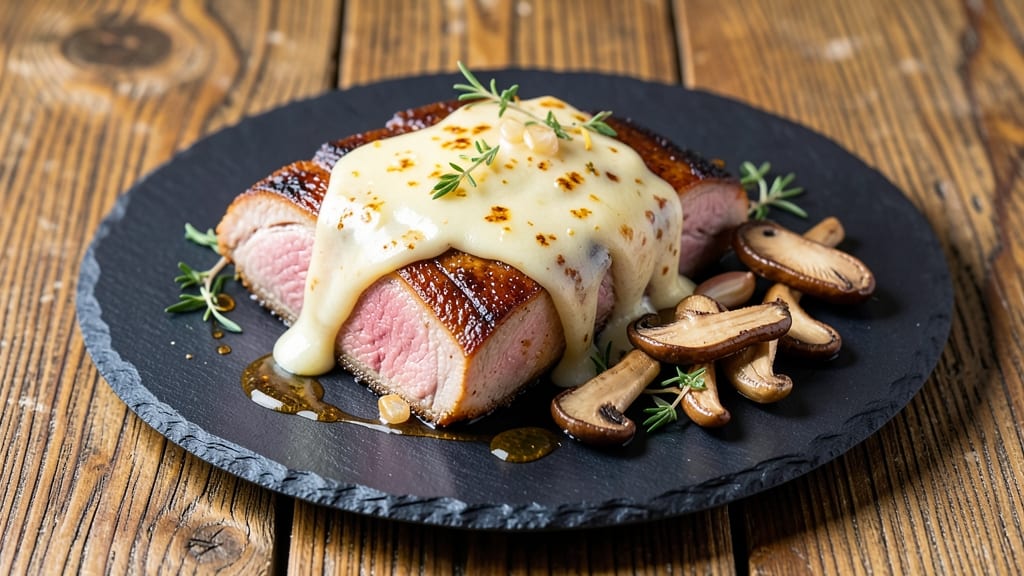
This duck cheese stuffed recipe delivers a showstopping combination of crispy, golden breadcrumb crown and rich, savory mushroom filling that transforms ordinary duck into an extraordinary centerpiece.
The secret lies in precise timing—searing the duck until perfectly pink inside while building a flavorful cheese-mushroom mixture that melts into a velvety, umami-rich filling. I developed this technique after years of experimenting with stuffed poultry, and the results are consistently restaurant-worthy without requiring advanced skills.
The beauty of this method is its versatility—whether you're hosting a dinner party or simply craving something special, this recipe delivers professional-quality results in about 1 hour and 15 minutes of active time.
The breadcrumb crown creates a satisfying crunch that contrasts beautifully with the tender duck meat and creamy filling, while the mushroom and cheese combination adds depth that elevates the dish from ordinary to extraordinary.
Every bite offers a perfect balance of textures and flavors that will impress even the most discerning guests.
What makes this recipe truly special is how it transforms simple ingredients into something extraordinary. The duck breast remains juicy and tender, while the cheese and mushroom filling creates a rich, savory center that's impossible to resist.
The crispy breadcrumb crown adds an element of sophistication that makes this dish feel like a special occasion meal, even when prepared at home. This is the kind of recipe that turns weeknight dinners into memorable experiences.
Perfect for holiday gatherings, romantic dinners, or when you want to impress without spending hours in the kitchen. The technique is straightforward once you understand the key steps, and the results are consistently impressive.
Let's get started on creating this showstopping dish that combines the richness of duck with the comfort of melted cheese and earthy mushrooms.
Ingredients for duck cheese
Fifteen ingredients transform ordinary duck into an exceptional centerpiece with crispy perfection and rich, savory depth.
| Ingredient | Amount | Notes |
|---|---|---|
| Duck Breast 🦆 | 2 whole | Skin-on, 6-8 oz each, trimmed of excess fat |
| Shiitake Mushrooms 🍄 | 8 whole | Fresh, stems removed, sliced thin |
| Gruyère Cheese 🧀 | 4 oz | Aged 12+ months, freshly grated |
| Fontina Cheese 🧀 | 4 oz | Mild variety, freshly grated |
| Shallots 🧅 | 2 whole | Minced, about 2 tbsp total |
| Garlic Cloves 🧄 | 4 cloves | Minced, for depth of flavor |
| Dry White Wine 🍷 | ¼ cup | Sauvignon Blanc preferred |
| Heavy Cream 🥛 | ¼ cup | Full-fat for richness |
| Panko Breadcrumbs 🍞 | 1 cup | Japanese-style for extra crunch |
| Fresh Thyme Leaves 🌿 | 1 tbsp | Chopped, for aromatic depth |
| Extra-Virgin Olive Oil 🫒 | 2 tbsp | High-quality, fruity variety |
| Unsalted Butter 🧈 | 2 tbsp | Cold, for searing |
| Diamond Crystal Kosher Salt 🧂 | 1 tsp | Fine grain preferred |
| Freshly Ground Black Pepper 🌶️ | ½ tsp | Coarsely ground |
| Freshly Squeezed Lemon Juice 🍋 | 1 tsp | Brightens the filling |
The duck breast selection is critical—look for evenly thick cuts (6-8 oz each) with a generous layer of fat. Whole Foods Market and specialty butchers offer superior quality, but standard grocery stores carry acceptable options. The fat cap should be intact but not excessive; trim any protruding edges for even searing. For the mushrooms, shiitake provide the ideal earthy base, but cremini or oyster mushrooms work well in a pinch. The Gruyère and Fontina combination delivers a luxurious melt that's impossible to replicate with pre-shredded blends—freshly grating from blocks ensures maximum flavor and texture. Pre-shredded cheese contains anti-caking agents that prevent proper melting.
No white wine? Chicken stock with a splash of lemon juice maintains the same acidity profile. The thyme can be substituted with dried thyme at one-third the amount, but fresh imparts a superior aromatic quality. For the breadcrumbs, Japanese-style panko creates the optimal crispy crown, though regular panko or even crushed cornbread works in a bind. The key to the filling's velvety texture lies in the wine reduction—simmering until syrupy concentrates the flavors dramatically. If you're short on time, a quick reduction of store-bought mushroom duxelles (available at Williams-Sonoma) provides a convenient shortcut without sacrificing quality.
The cheese filling can be prepared up to 24 hours in advance and stored in an airtight container in the refrigerator. The stuffed duck should be assembled no more than 2 hours before cooking to prevent the breadcrumb crown from absorbing moisture. Once cooked, the dish reheats beautifully—350°F for 10-15 minutes restores the crispy texture perfectly. For optimal presentation, assemble the dish on a pre-warmed platter and garnish with additional fresh thyme and a drizzle of high-quality olive oil just before serving. The leftovers keep well in the refrigerator for 3 days, though the breadcrumb crown loses some crispness after the first day.
Why You'll Love This Recipe
- One-Pan Magic: I swear by this for nights when I don’t want to scrub three pots—duck sears right alongside the mushrooms, then everything melts under the cheeses. Minimal chopping, zero fuss, and that rich duck fat renders into the pan like a self-basting dream.
- Umami Bomb: The combo of shiitakes and Gruyère-Fontina is next-level—earthy, nutty, and downright cheesy in the best way. That crispy duck skin? It’s the perfect foil for the creamy, melty center, like a fancy bistro bite at home.
- Weeknight or Weekend: Throw it on the table for a fancy dinner (just add crusty bread) or pack leftovers for lunch—it reheats beautifully. Honestly, I’ve served it at book club meetings and family barbecues, and no one ever bats an eye at the duck.
- Budget Luxury: Duck breast feels indulgent, but it stretches further than you’d think when paired with mushrooms and cheese. I’ll be real: the first time I made this, I bought extra cheese because I couldn’t stop eating it—now it’s my go-to for feeding a crowd without breaking the bank.
Step-by-step instructions for duck cheese stuffed recipe
Master this technique for a showstopping centerpiece with perfectly crisped breadcrumb crown and velvety mushroom filling.
Prepare the Mushroom and Cheese Filling
Heat 2 tablespoons extra-virgin olive oil and 2 tablespoons unsalted butter in a large skillet over medium heat. Add the 8 whole shiitake mushrooms (stems removed, sliced thin) and cook for 5-6 minutes until they release their moisture and begin to brown. Remove the mushrooms and set aside.
In the same skillet, add the 2 whole shallots (minced) and 4 cloves garlic cloves (minced). Sauté for 2-3 minutes until the shallots soften and become translucent. Deglaze the pan with 0.25 cup dry white wine, scraping up any browned bits from the bottom. Let the wine reduce by half, about 2 minutes. Stir in the cooked mushrooms, then add 0.25 cup heavy cream, 1 tablespoon fresh thyme leaves, 1 teaspoon freshly squeezed lemon juice, 1 teaspoon diamond crystal kosher salt, and 0.5 teaspoon freshly ground black pepper. Simmer for 3-4 minutes until the mixture thickens slightly. Remove from heat and stir in 4 ounces gruyère cheese and 4 ounces fontina cheese until fully melted and smooth. This filling should be rich, creamy, and deeply flavorful—ready to be encased in the duck.
Butterfly and Stuff the Duck Breast
Place each of the 2 whole duck breast (skin-on, fat trimmed) skin-side down on a cutting board. Using a sharp chef's knife, carefully slice horizontally through the thickest part of the breast, stopping about ½ inch from the bottom. Open the duck like a book, creating a pocket. Season both sides generously with diamond crystal kosher salt and freshly ground black pepper. Spread the mushroom and cheese filling evenly between the two halves, leaving a ½-inch border around the edges. Gently press the filling into the pocket, ensuring it stays contained.
Close the duck breast, folding the edges inward to seal the filling completely. Secure with kitchen twine at 1-inch intervals to maintain shape during cooking. The filling should be snug but not bursting—this ensures it stays intact while the breadcrumb crown crisps to perfection.
Create the Crispy Breadcrumb Crown
In a shallow dish, combine 1 cup panko breadcrumbs, 1 teaspoon diamond crystal kosher salt, and 0.5 teaspoon freshly ground black pepper. Lightly brush the sealed duck breasts with 1 tablespoon extra-virgin olive oil, then press the seasoned breadcrumbs firmly onto the top of each breast, creating an even, thick layer. This crown will transform into a golden, crispy shell—essential for that restaurant-quality finish.
Chill the stuffed duck breasts uncovered in the refrigerator for 30 minutes to allow the breadcrumb crown to firm up. This step is critical—it prevents the breadcrumbs from sliding off during cooking and ensures maximum crispiness. While chilling, preheat your oven to 375°F for even cooking.
Sear and Bake to Golden Perfection
Remove the duck breasts from the refrigerator and let them sit at room temperature for 5 minutes before cooking. Heat a large oven-safe skillet over medium-high heat. Place the duck breasts skin-side down in the skillet and sear for 3-4 minutes until the breadcrumb crown turns deep golden brown and the skin begins to crisp. Flip the duck breasts and sear the other side for another 2-3 minutes, ensuring the breadcrumbs are evenly browned.
Transfer the skillet to the preheated oven and bake for 12-15 minutes, or until the internal temperature of the duck reaches 135°F for medium-rare. The breadcrumb crown should be crispy and golden, while the filling remains warm and creamy inside. Let the duck breasts rest for 5 minutes before slicing—this allows the juices to redistribute, ensuring each bite is succulent and flavorful.
Slice and Serve with Confidence
Carefully remove the twine and slice each duck breast diagonally into ½-inch thick portions. The breadcrumb crown should hold its shape, creating an impressive presentation. Serve immediately with a drizzle of pan juices or a simple green salad to complement the rich, savory filling. Each slice should deliver a perfect balance of crispy, cheesy, and tender duck—proof that this technique delivers every time.
Pro Tips For Making Duck Cheese
- CRISP THE DUCK FIRST: Skip the rare mistake of searing duck breast straight from the fridge—it’ll steam instead of develop that golden crust. Pat it bone-dry with paper towels, then let it sit at room temp for 20-30 minutes. High heat is your friend here: get your pan screaming hot before adding the duck, and resist the urge to move it until you see that perfect caramelized edge.
- SHAVINGS BEAT CRUMBLES: I used to toss in chunks of Gruyère and Fontina straight from the block, thinking it’d melt better. Wrong. Pre-shave both cheeses with a microplane or sharp knife—this creates more surface area for faster, creamier melting and better texture when folded into the mushrooms. Keep the shavings in the fridge until you’re ready to use them, or they’ll soften too early.
- SAUTE SHALLOTS LOW AND SLOW: Shallots are sneaky—they burn faster than onions and turn bitter if you rush them. Cook them in the same pan you seared the duck (hello, flavor!), but keep the heat low and stir constantly. Add a splash of white wine or a pinch of sugar if they start to darken too soon. You want them translucent, not golden—this dish isn’t about caramelized shallots, it’s about their sweet, mellow base.
- REST THE DUCK UNDER FOIL: That crispy skin you worked so hard for? It’ll turn rubbery if you slice the duck too soon. After searing, transfer the breast to a plate, tent loosely with foil, and let it rest for 5-10 minutes. This also lets the juices redistribute—cutting into it too early means dry, tough meat. Pro move: Use this time to prep the mushrooms and cheese so everything’s ready when the duck is perfect.
Make-ahead tips for this duck cheese
Filling Prep Ahead
The mushroom and cheese filling can be made up to 24 hours in advance and stored in an airtight container in the refrigerator. This is a game-changer for busy cooks—I always prepare mine the night before.
The flavors deepen as the cheese melds with the mushrooms and wine reduction, creating an even more complex filling. When ready to stuff, simply reheat the filling in a saucepan over low heat for 3-4 minutes until warmed through. 💡
Duck Prep Timeline
Stuff the duck breasts with the filling no more than 2 hours before cooking to prevent the breadcrumb crown from absorbing moisture. I recommend assembling them in the morning if you're cooking for dinner—this gives you time to chill them properly.
Once stuffed, cover loosely with plastic wrap and refrigerate on a wire rack to allow air circulation. This keeps the breadcrumbs dry and crispy, not soggy. ❄️
Breadcrumb Crown Prep
For an extra-crispy crown, mix the panko breadcrumbs with 1 tablespoon melted butter instead of just olive oil. This creates a richer, more flavorful coating that crisps beautifully. Store the seasoned breadcrumb mixture in a ziplock bag in the fridge for up to 2 days.
When ready to use, simply press it onto the duck breasts before chilling. The butter adds that restaurant-quality crunch that makes all the difference. 🍞
Make-Ahead Cooking
If you're planning a dinner party, cook the stuffed duck breasts completely ahead of time and store them in the refrigerator. Reheat at 350°F for 10-15 minutes until the breadcrumb crown is crispy again. The internal temperature should reach 135°F for medium-rare.
I've done this successfully for holiday meals—just slice and serve as directed. The breadcrumbs may lose a tiny bit of crispness but regain it beautifully with reheating. 🔥
Portioning for Leftovers
Slice the cooked duck into individual portions and store them in airtight containers with the breadcrumb crown on top. Reheat each portion separately in a skillet over medium heat for 2-3 minutes per side to restore crispiness.
This method works best for leftovers—each slice stays intact and delicious. The cheese filling remains creamy and warm, while the breadcrumbs regain their golden crunch. Perfect for lunch the next day! 💫
Freezer-Friendly Option
For longer storage, wrap the stuffed duck breasts tightly in plastic wrap and place them in a freezer bag with all air removed. Freeze for up to 1 month. Thaw overnight in the refrigerator before cooking as directed.
The breadcrumb crown may lose some crispness during freezing but crisps beautifully when reheated. This is my go-to method for holiday entertaining—I prepare everything ahead of time and cook it fresh when guests arrive. ✨
Nutrition facts
Frequently asked questions
Can I substitute regular panko with another type of breadcrumb?
Japanese-style panko creates the ideal crispy crown, but you can use regular panko or even crushed cornbread in a pinch. For extra crunch, mix breadcrumbs with 1 tablespoon melted butter before pressing onto the duck. The butter adds richness that helps maintain crispiness during cooking.
How do I prevent the cheese filling from leaking out?
Leave a ½-inch border around the edges when stuffing and secure the duck tightly with kitchen twine at 1-inch intervals. Chill the stuffed duck uncovered for 30 minutes before cooking to firm up the breadcrumb crown. This helps contain the filling while creating that perfect crispy texture.
What's the best way to reheat leftovers without losing crispiness?
Reheat each portion separately in a skillet over medium heat for 2-3 minutes per side until the breadcrumb crown regains its crispiness. Store leftovers in airtight containers with the breadcrumb crown on top to preserve texture. For oven reheating, use 350°F for 10-15 minutes until internal temp reaches 135°F.
Can I make this recipe without white wine?
Yes! Substitute with chicken stock plus 1 teaspoon lemon juice to maintain the same acidity profile. The wine reduction concentrates flavors dramatically, so any substitute should be simmered until syrupy. For extra depth, add a splash of soy sauce or Worcestershire sauce to the filling.
What's the ideal internal temperature for medium-rare duck?
The perfect medium-rare temperature is 135°F at the thickest part of the breast. Use a meat thermometer to check—duck continues cooking slightly after removal from heat. For well-done, aim for 165°F, but the filling may become slightly firmer. Always let the duck rest 5 minutes before slicing.