
Appetizers
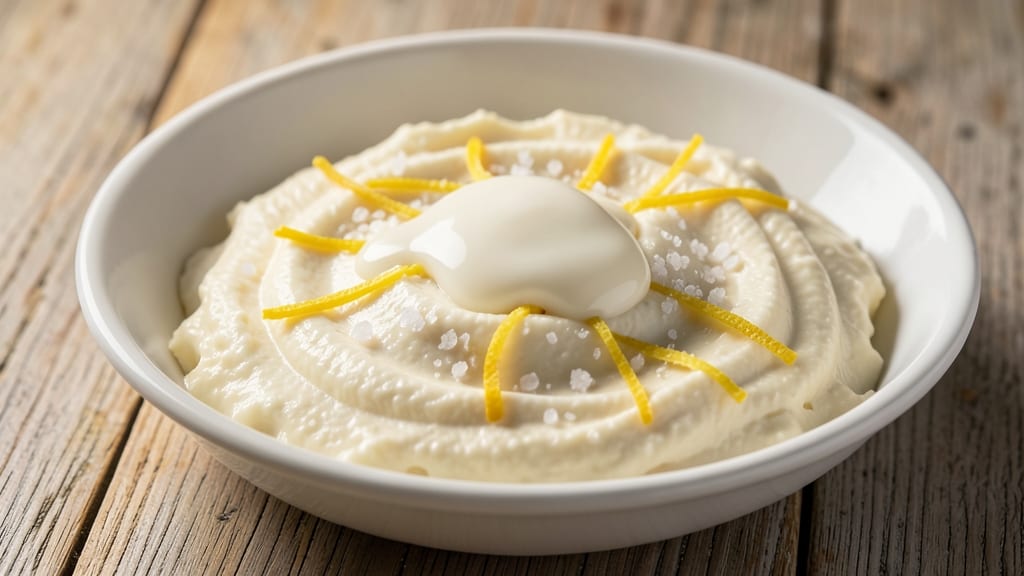
This fresh cheese recipe turns basic pantry staples into a luscious, bright ricotta that shines in stuffed shells or breakfast dishes. The key lies in precise acidification and gentle heat—no advanced techniques required, just patience and attention to detail.
My version includes lemon zest for a refreshing twist that cuts through the richness while keeping the texture impossibly smooth.
What sets this ricotta apart is its versatility: use it fresh in lasagna, blend it into creamy sauces, or serve it chilled with honey and nuts for a sophisticated appetizer. The process takes about 45 minutes from start to finish, with most of that time dedicated to draining—no rushing allowed.
For those watching fat content, this recipe delivers the same creamy results with just 2 tablespoons of cream instead of the traditional half cup.
The finished cheese should be silky yet firm, with a delicate tang from the lemon zest that brightens every bite. When properly drained, it holds its shape when spooned but melts beautifully when heated.
This is the kind of ricotta that makes you question why store-bought ever seemed good enough—restaurant-quality texture at home, without the fuss.
Pair it with fresh pasta, fold it into scrambled eggs, or spread it on toast with roasted tomatoes for a breakfast that feels like a holiday. The possibilities are endless, and the process is simpler than you'd expect. Let's get started on making your own fresh cheese today.
Ingredients for fresh cheese
Four cups of milk, a splash of vinegar, and a burst of lemon zest transform into restaurant-quality ricotta.
| Ingredient | Amount | Notes |
|---|---|---|
| Whole Milk 🥛 | 4 cups | Full-fat for creaminess |
| White Vinegar 🍶 | ¼ cup | For acidification |
| Lemon Zest 🍋 | 2 tbsp | Freshly grated from 1 lemon |
| Heavy Cream 🥛 | 2 tbsp | Full-fat preferred |
| Kosher Salt 🧂 | 1 ½ tsp | Adjust to taste |
| Granulated Sugar 🍚 | 1 tbsp | Balances acidity |
| Lemon Juice 🍋 | 2 tbsp | Freshly squeezed |
| Unsalted Butter 🧈 | 2 tbsp | Cold, cubed |
| Fresh Basil Leaves 🌿 | ¼ cup | Chopped, optional garnish |
The milk is the foundation—whole milk gives the best texture, but 2% works too if you're watching fat. I grab organic milk from Trader Joe's because it's consistent, but any brand will do. The vinegar is key here—white vinegar or lemon juice both work, but white vinegar gives a cleaner tang. Fresh lemon zest makes all the difference; pre-grated zest loses its brightness, so take the extra 30 seconds to zest it yourself. If you're making this for a crowd, double the recipe—it keeps beautifully for up to 5 days in the fridge.
No heavy cream? Substitute with an extra 2 tablespoons of milk—it won't be quite as rich, but still delicious. Running out of vinegar? Buttermilk or plain yogurt at half the amount works in a pinch. The sugar balances the acidity, but if you're avoiding it, skip it entirely—just know the ricotta will be slightly tangier. The butter adds a luxurious finish, but if you're cutting back on fat, use just 1 tablespoon. Fresh basil is optional but adds a bright, herby note that pairs perfectly with the lemon zest—dried basil won't give the same freshness.
This ricotta is best used fresh, but it keeps for 5 days in an airtight container in the fridge. For longer storage, portion it into ice cube trays, freeze, and transfer to a bag—perfect for adding to sauces later. The texture changes slightly after freezing, becoming more spreadable, which works great for toast or pasta dishes. If you make extra, blend it into scrambled eggs or fold it into mashed potatoes for a creamy upgrade. Trust me, you'll never go back to store-bought.
Why You'll Love This Recipe
- Pantry Magic: I swear by this—no special tools, just milk, vinegar, and a colander. Honestly, it’s the kind of recipe where you’ll wonder why you ever bought store-bought.
- Zesty Brightness: That lemon zest? It’s the secret weapon. The tang cuts through the richness of the heavy cream, giving it this fresh, almost Mediterranean vibe—like a bite of sunshine in every spoonful.
- Breakfast to Bites: Spread it on toast, dollop it on salads, or mix it into pasta—it’s my go-to for lazy mornings and fancy dinner sides. (Yes, even on a Tuesday night.)
- Cheap & Keeps: A gallon of milk stretches into multiple batches, and the leftovers stay fresh for days. Between us, I’ve had this cheese last a week in my fridge, and it’s still better than most store-bought options.
Step-by-step instructions for homemade ricotta with lemon-zest brightness
Here's how to make creamy, tangy ricotta at home with just a few simple steps and bright citrus notes.
Acidify the Milk for Curdling
Pour the 4 cups whole milk into a heavy-bottomed saucepan and place it over medium-high heat. Let it warm until it reaches 185°F—you'll see small bubbles forming around the edges and the milk will begin to steam gently. This takes about 10-12 minutes. Don't let it boil.
While the milk heats, whisk together the 0.25 cup white vinegar and 2 tbsp lemon juice in a small bowl. Once the milk reaches 185°F, remove it from heat and slowly pour the vinegar-lemon mixture into the milk while stirring gently with a wooden spoon. The milk will start to curdle immediately, turning from smooth to lumpy within 1-2 minutes. This acidification is what transforms the milk into cheese.
Cook and Strain the Curds
Return the pan to low heat and let it sit for 5 minutes, stirring occasionally. You want the curds to form into soft, cottage-cheese-like clumps while the whey (liquid) separates. The mixture should look thick and grainy rather than runny.
Line a fine-mesh strainer with a clean kitchen towel or cheesecloth, then place it over a bowl. Carefully ladle the curds and whey into the strainer, letting the whey drain out completely. You can press the curds gently with a wooden spoon to help release more liquid. After 10-15 minutes, the curds will have thickened into a soft, spreadable texture—this is your ricotta base.
Season and Finish the Cheese
Transfer the drained curds to a mixing bowl and stir in the 2 tbsp lemon zest, 1.5 tsp kosher salt, 1 tbsp granulated sugar, and 2 tbsp cold unsalted butter (cut into small cubes). The butter adds richness and helps create a smoother texture. Mix well until everything is fully incorporated—you should have a creamy, slightly grainy cheese with bright citrus notes.
For extra flavor, fold in the 0.25 cup chopped fresh basil leaves at the end. Taste and adjust the seasoning if needed; the lemon zest and juice might make the cheese taste slightly tart, so balancing with sugar and salt is key. The ricotta should be thick but still spoonable, with a tender, almost custard-like consistency.
Chill and Serve
Cover the ricotta with plastic wrap and refrigerate for at least 2 hours (or up to 3 days) to let the flavors meld. Chilling firms up the texture slightly, making it easier to spread or dollop. When ready to serve, give it a quick stir to redistribute any separated whey.
Use your homemade ricotta in lasagna, stuffed shells, or as a dip for toasted bread. The lemon zest and basil add a fresh, bright contrast to the creamy cheese, making it perfect for spring or summer dishes. Store any leftovers in an airtight container, submerged in a little whey to keep it moist.
Pro Tips For Making Fresh Cheese
- Heat the Milk Slowly: Walk the milk from room temp to simmer—no rushing. I used to blast it on high and end up with grainy, split curds every time. A gentle heat (medium-low) keeps the proteins happy and gives you that smooth, velvety texture you’re after. Think "whisper-quiet bubbles," not a rolling boil.
- Measure Vinegar Precisely: Use a kitchen scale or measuring spoon—vinegar isn’t the place to eyeball. Too little and your curds won’t form; too much and you’ll end up with a sour, rubbery mess. For 2 cups of milk, 2 tablespoons of white vinegar is your sweet spot. No guesswork.
- Drain the Whey Thoroughly: Don’t rush the draining—let the curds sit in the strainer for 5 minutes after pouring. I learned this after making a batch where the cheese was still watery and bland. The longer you wait, the firmer and richer the final texture. (Yes, even if you’re impatient like me.)
- Whisk in Lemon Zest Last: Save the zest until the very end—right before folding in the heavy cream. If you add it earlier, the acid can make the curds break down or turn grainy. A quick zest over the warm, drained curds brightens the flavor without wrecking the texture. Trust me, it makes a difference.
Make-ahead tips for this recipe
Prep Ahead for Dishes
Make your ricotta 2 days in advance and store it in an airtight container submerged in its whey. This preserves moisture and prevents a dry, grainy texture.
I like to prep it the night before for breakfast dishes like ricotta-stuffed French toast or creamy scrambled eggs—just reheat gently on the stovetop for 2-3 minutes until warm. 💫
Freezing for Later Use
Portion the ricotta into 1-ounce servings using ice cube trays, then transfer to a freezer bag. Freeze for up to 3 months. When ready to use, thaw in the fridge overnight and stir in 1 teaspoon of milk or cream to restore creaminess.
This works perfectly for adding to soups or pasta sauces mid-cook.
Make-Ahead Serving Ideas
Create ricotta-stuffed shells ahead by baking them with marinara sauce, then refrigerating. Reheat in the oven at 350°F for 15 minutes before serving. For breakfast, assemble ricotta toast components (toast, ricotta, honey, nuts) separately and assemble when ready to eat—no reheating needed. ✨
Batch Prep for Meal Plans
Double the recipe and store in glass jars with tight lids. Use it all week in lasagna, manicotti, or as a protein-rich addition to smoothies. I keep one jar in the fridge and one frozen for flexibility.
Label jars with dates to track freshness—homemade ricotta stays fresh for 5 days refrigerated or 3 months frozen.
Reviving Stale Ricotta
If your ricotta develops a slightly dry texture after refrigeration, stir in 1 tablespoon of warm milk or cream and let it sit for 10 minutes before using.
For extra richness, fold in 1 tablespoon of melted butter. This trick works wonders for restoring that silky consistency without sacrificing flavor. 💡
Portioning for Appetizers
Scoop ricotta into small ramekins and chill for 1 hour before serving with toppings like honey, flaky salt, or fresh herbs. These make perfect make-ahead appetizers for parties—just arrange on a platter and serve straight from the fridge. For a festive touch, drizzle with balsamic glaze before serving. 🍋
Nutrition facts
Frequently asked questions
Can I use any type of milk for this fresh cheese recipe?
Whole milk works best for the creamiest texture, but 2% milk will also work if you're watching fat. Avoid skim milk—the reduced fat can make the ricotta grainy. For extra richness, try half-and-half or whole milk with 1 extra tablespoon of cream per cup. The fat content is what gives fresh cheese its signature smoothness.
Why did my ricotta turn out too tangy or sour?
Over-acidification happens when you use too much vinegar or let the milk sit too long after adding it. Stick to the 0.25 cup vinegar measurement and remove the pan from heat immediately after adding it. If your cheese tastes too sharp, balance it with more sugar or a pinch of honey. The lemon zest also adds brightness, so adjust to taste.
How do I know when the curds are ready to drain?
The curds should look like soft, cottage-cheese-like clumps when they're ready. Press a spoonful gently—if it holds its shape but still feels tender, it's perfect. If it's too runny, let it cook 2-3 more minutes on low heat. Draining too soon makes the cheese watery, while waiting too long can make it dry. Aim for a thick, spoonable consistency.
Can I make this fresh cheese without butter?
Yes! Skip the butter or substitute with 1 extra tablespoon of cream for richness. The butter adds a luxurious finish, but the cheese will still be delicious. For a lighter version, omit it entirely—just know the texture may be slightly less smooth. A pinch of salted butter can also enhance flavor if you prefer.
What are the best ways to use leftover fresh cheese?
Store it in an airtight container with a splash of whey to keep it moist. Use it in lasagna, stuffed shells, or blend it into smoothies for a protein boost. Freeze in ice cube trays for easy portioning in soups or sauces. For a quick snack, spread it on toast with honey and nuts. The lemon zest keeps it flavorful even after storage.