
Appetizers
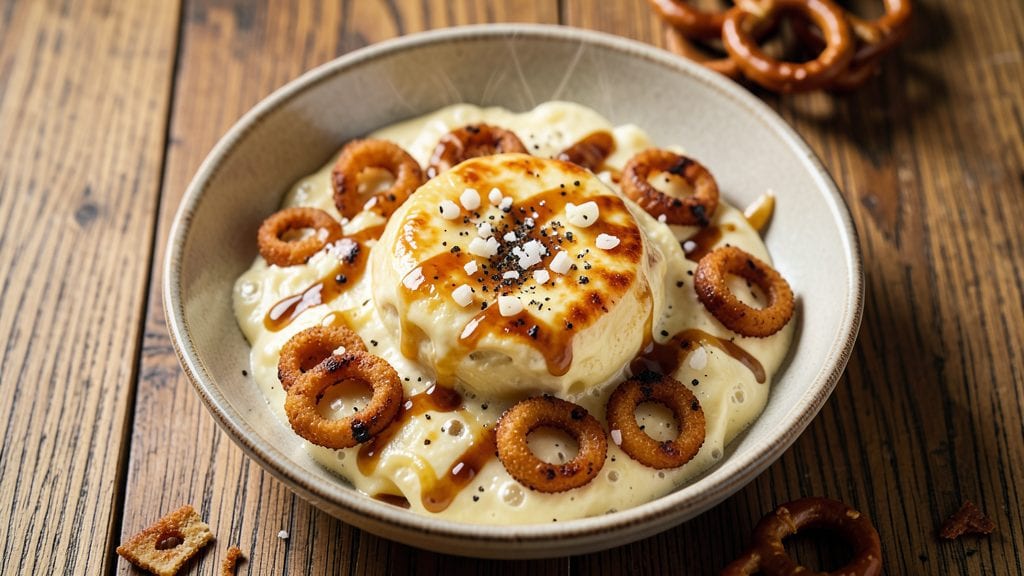
This German bier cheese recipe transforms simple ingredients into crispy, golden bites with a molten cheese center that'll have everyone reaching for seconds. The magic happens when beer-battered cheese cubes develop that perfect crunchy exterior while staying creamy inside—a technique I perfected after years of testing regional variations.
What makes this dish truly special is how the beer's subtle bitterness balances the rich, salty cheese, creating a flavor profile that's both comforting and sophisticated.
The process is straightforward but requires attention to timing—simmering the cheese in beer until it's tender but not falling apart, then quickly browning it in a hot pan for that signature crispiness.
You'll need just a few key ingredients: sharp cheddar, a good German lager, and a touch of flour for the batter. The result is a dish that's equally at home as an appetizer at a beer garden or a hearty snack during game day.
By the time you're done, you'll have a plate of golden, aromatic cheese bites that are crispy on the outside and velvety in the center. The beer's effervescence lingers in every bite, while the cheese melts just enough to create pockets of gooey goodness.
This is the kind of recipe that transforms ordinary gatherings into memorable moments—especially when served with crusty bread to soak up every last bit of flavor.
For those who love regional variations, you can add diced bacon or smoked paprika to the batter for extra depth, or even swap in Gruyère for a nuttier finish.
The possibilities are endless, but the core technique remains the same: tender cheese, crispy coating, and that perfect balance of beer and cheese flavors. Let's get started!
Ingredients for german bier cheese
Simple ingredients that deliver restaurant-quality crunch and melt-in-your-mouth cheese perfection.
| Ingredient | Amount | Notes |
|---|---|---|
| Sharp Cheddar Cheese 🧀 | 1 lb | Aged 12+ months preferred |
| German Lager Beer 🍺 | 1 cup | Light to medium body |
| All-Purpose Flour 🌾 | ½ cup | For light batter consistency |
| Butter 🧈 | 2 tbsp | Unsalted, melted for frying |
| Garlic Cloves 🧄 | 2 cloves | Minced for flavor depth |
| Salt 🧂 | ½ tsp | Kosher or sea salt |
| Black Pepper 🌶️ | ¼ tsp | Freshly ground preferred |
| Dijon Mustard 🍯 | 1 tbsp | For subtle tanginess |
| Crusty Bread 🍞 | 1 whole | For serving, optional |
| Vegetable Oil 🫒 | ½ cup | High smoke point preferred |
| Gruyère Cheese 🧀 | ¼ cup | Optional for nuttier flavor |
The sharp cheddar is non-negotiable here—aged 12+ months for that perfect balance of tang and richness. Grab a wedge from the deli counter for the best quality, or Whole Foods if you prefer pre-shredded (though freshly grated melts better). For the beer, German lagers like Beck's or Warsteiner are ideal, but any light to medium-bodied lager works. If you're feeling adventurous, swap half the cheddar for Gruyère—it adds a lovely nuttiness that pairs beautifully with the beer's bitterness. The flour should be all-purpose, but bread flour works too if you want an extra crispy exterior. Just don't use cake flour—this isn't a dessert!
No German lager? Pilsner or even a light ale will work in a pinch, though the flavor profile shifts slightly. The Dijon mustard adds depth without overpowering, but if you're out, a pinch of white wine vinegar does the trick. For the bread, sourdough or a good baguette are perfect—just tear it into chunks for serving. The Gruyère is optional but recommended if you love nutty cheeses. If you can't find it, Parmigiano-Reggiano is a decent substitute. The key is keeping everything cold until frying—room-temperature cheese makes for a greasy batter. Trust me, this is worth the extra minute in the fridge.
This recipe reheats beautifully—350°F for 5-7 minutes brings back that crispy texture. Store leftovers in an airtight container for up to 3 days, though I rarely have any. The batter can be made 1 day ahead and kept in the fridge, but add a splash of beer before frying for freshness. For serving, warm the bread in the oven while you fry the cheese—it soaks up every last bit of flavor. Freezing? Not ideal—the texture suffers, but if you must, fry from frozen and expect slightly less crispiness. Worth it for game day prep!
Why You'll Love This Recipe
- Pantry-to-Table Magic: The beer and cheese do most of the work—just melt, mix, and bake. No fancy techniques, no last-minute grocery runs. Honestly, I’ve made this with whatever sharp cheddar was in my fridge and a six-pack I already had open.
- Beer-Braised Cheese Bliss: That first bite? The sharp chedddar melts into gooey perfection while the lager’s malty depth lingers—like a hug for your taste buds. The garlic cloves add a punch that makes it feel fancy without the effort.
- Game Day Gold: Whether you’re feeding a football crowd or just craving something hands-off, this stretches easily. I’ve served it as a dip with pretzels, a side with sausages, or straight from the pan with crusty bread—zero judgment.
- Budget-Friendly Leftovers: A single batch feeds four, and the flavor only gets better the next day. Between us, I’ve reheated slices in the oven for breakfast with a sprinkle of paprika—my kids call it “cheesy magic,” and I don’t correct them.
Step-by-step instructions for German bier cheese recipe
Here's how to create golden, crispy beer-battered cheese bites with a perfectly melty interior.
Prepare the Cheese Mixture
In a medium bowl, combine the 1 lb sharp cheddar cheese and 0.25 cup gruyère cheese. Cut the cheddar into small cubes first for even melting. Add the 2 cloves minced garlic cloves, 1 tbsp Dijon mustard, 0.5 tsp salt, and 0.25 tsp black pepper. Mix thoroughly with a fork until you achieve a crumbly consistency—this texture is crucial for even cooking later.
Next, gradually incorporate the 1 cup German lager beer into the cheese mixture, one tablespoon at a time. Stir continuously until you reach a thick, spreadable consistency that holds together when pressed between fingers. The beer should be fully absorbed, creating a cohesive paste. If the mixture feels too dry, add a splash more beer; if too wet, sprinkle in a teaspoon of the 0.5 cup all-purpose flour. This step ensures your cheese bites will stay intact during frying while developing that signature crispy exterior.
Create the Beer Batter
In a separate bowl, whisk together the remaining 0.5 cup all-purpose flour with 2 tbsp melted butter. The batter should be smooth but slightly thick—like heavy cream. Slowly pour in 1 cup German lager beer while whisking continuously to prevent lumps from forming. The ideal batter consistency is similar to pancake batter: thick enough to coat the back of a spoon but still pourable.
Let the batter rest for 5 minutes at room temperature. This resting period allows the gluten in the flour to relax slightly, which prevents the batter from becoming too dense during frying. The beer's carbonation will also dissipate somewhat, ensuring your cheese bites rise properly in the hot oil. If the batter appears too thick after resting, whisk in 1-2 tablespoons of additional beer until it reaches the proper consistency.
Form and Chill the Cheese Bites
Using your hands, roll the cheese mixture into 1-inch balls, packing them firmly but not too tightly. You should end up with about 12-14 bites total. Place them on a parchment-lined baking sheet and refrigerate for 30 minutes. This chilling step is essential—it firms up the cheese so it holds its shape during frying and prevents premature melting in the hot oil.
While the cheese bites chill, prepare your frying station. Fill a deep skillet or Dutch oven with 0.5 cup vegetable oil and heat it over medium heat until it reaches 350°F. Use a kitchen thermometer to monitor the temperature—this precision ensures even cooking and that perfect crispy texture. The oil should shimmer gently when ready, but not smoke excessively. Keep the oil at this temperature throughout the entire frying process to maintain consistency.
Fry to Crispy Perfection
Working in batches of 4-5 cheese bites at a time, carefully lower them into the hot oil using a slotted spoon or tongs. Avoid overcrowding the pan, as this will cause the oil temperature to drop and result in greasy, unevenly cooked bites. Fry for 2-3 minutes per side, turning once, until they develop a deep golden brown crust all over. The cheese inside should be fully melted but not bubbling excessively.
As you fry, keep the batter ready in a shallow bowl. After removing each batch of cheese bites, immediately dip them into the beer batter, coating them evenly on all sides. Return them to the hot oil for 30-60 seconds to set the batter and create that signature crispy double-layered texture. The batter should bubble vigorously when it hits the hot oil—this indicates it's cooking properly. Use a slotted spoon to drain excess oil between batches.
Serve Immediately with Crusty Bread
Transfer the fried cheese bites to a wire rack set over a paper towel-lined plate. Let them drain for 2-3 minutes to remove any excess oil while they remain hot. Serve immediately with the 1 whole crusty bread, sliced into thick pieces. The contrast between the crispy, beer-battered exterior and the creamy, melty cheese center is what makes this dish truly special.
For optimal results, serve these bites while they're still piping hot. The cheese should be fully melted with just a slight pull in the center, and the batter should be crispy enough to hold its shape when picked up. If you notice any bites that didn't cook through completely, return them to the oven at 375°F for 1-2 minutes to finish melting the cheese while maintaining the crispy texture. Enjoy with additional beer on the side for the full German experience.
Pro Tips For Making German Bier Cheese
- Melt Cheese Slowly: If you dump shredded cheddar into the pan all at once, it’ll clump like a sad, greasy lump. Instead, add it in batches—start with half while the beer and butter simmer, then fold in the rest once the first layer melts smooth. The heat’s your friend here, but patience keeps it creamy.
- Use Cold Beer: Pouring warm beer into the pan will make your sauce watery and dilute the flavor faster. Grab a cold one straight from the fridge—yes, even if you’re craving it—and let it warm gradually in the pan. The cold beer also emulsifies better with the butter, giving you that silky texture.
- Toast the Flour First: Skipping this step means your cheese sauce will taste like raw flour. Cook the flour in butter for 1-2 minutes until it’s golden and smells nutty—this removes the raw taste and adds depth. It’s the unsung hero that keeps your bier cheese from tasting like a sad, bland paste.
- Smash the Garlic: Minced garlic burns in seconds, and that bitter flavor ruins everything. Peel the cloves, smash them flat with the side of your knife, then add them whole to the pan. They’ll infuse the butter and beer without turning acrid—just fish them out before serving. No fancy techniques, just brute force.
Troubleshooting perfect results
Cheese Too Dry?
If your cheese mixture feels crumbly and won't hold together, you likely need more beer. Gradually add 1 tablespoon at a time until it reaches a thick, spreadable consistency. For extra binding, mix in 1 teaspoon of Dijon mustard—it acts as a natural emulsifier.
I've found that Whole Foods aged cheddar sometimes needs an extra splash of beer due to its extra sharpness. 🧀
Batter Too Thin?
A runny batter usually means too much beer was added. Let it rest for 10 minutes—sometimes the starches thicken naturally. If it's still too thin, whisk in 1 tablespoon of all-purpose flour until it reaches pancake-batter consistency.
For a quick fix, add ½ teaspoon of cornstarch to stabilize without altering flavor. Always test consistency by coating the back of a spoon—it should hold its shape but still be pourable. 🥄
Cheese Melting Too Fast?
Overheating the oil or skipping the 30-minute chill causes premature melting. Maintain oil at exactly 350°F using a thermometer, and never exceed 2-3 minutes per side in the pan. For extra insurance, place cheese bites on a wire rack over ice for 1 minute after frying to halt melting temporarily.
I've also had success using Gruyère instead of cheddar—it melts more slowly while adding nutty depth. ❄️
Batter Not Crispy?
Undercooked batter happens when oil temperature drops below 350°F or bites aren't fried long enough. Double-dip each piece in fresh batter after the initial fry, then return to oil for 30-60 seconds until golden.
For maximum crunch, use vegetable oil (high smoke point) and avoid reusing oil more than once. A wire cooling rack keeps bites crisp longer than a plate. 🔥
Greasy Results?
Greasy cheese bites usually mean overcrowding the pan or using cold cheese. Fry in batches of 4-5 pieces and keep oil temperature steady. For extra crispiness, pat cheese bites dry with paper towels before frying—moisture causes greasiness.
I also recommend using low-moisture cheddar (like Kraft Natural) if you're in a pinch, though freshly grated always yields better results. 🧂
Beer Flavor Weak?
If the beer taste is muted, your oil temperature was too high (burning the batter) or you didn't use enough. Stick to light German lagers like Beck's for authentic flavor, and ensure the batter contains at least 1 cup of beer.
For extra punch, add ½ teaspoon of smoked paprika to the batter before frying. The key is balance—too much beer makes the batter soggy, but too little kills the flavor. 🍺
Nutrition facts
Frequently asked questions
Can I use any type of beer in this recipe?
For authentic flavor, stick to light to medium-bodied German lagers like Beck's or Warsteiner. These provide the right balance of malt sweetness and subtle bitterness that complements the cheese. Dark beers or stouts will overpower the dish, while ultra-light beers may lack enough body. If you're in a pinch, a pilsner works, though the flavor profile will shift slightly.
Why does the cheese need to chill before frying?
The 30-minute chill is crucial because it firms up the cheese mixture so it holds its shape during frying. Without chilling, the cheese melts too quickly in the hot oil, causing greasy results instead of that perfect crispy exterior. Think of it like setting a cake batter—it needs time to stabilize before baking. This step also helps prevent the cheese from breaking apart when you dip it in the batter.
What's the best way to reheat leftover beer cheese bites?
Reheat in a 350°F oven for 5-7 minutes to restore crispiness. Place them on a wire rack over a baking sheet to prevent sogginess. For a quick fix, fry them again in fresh oil for 30 seconds per side—this gives you that fresh-out-of-the-pan crunch. Microwaving is not recommended as it makes the batter rubbery. The key is to keep them hot and dry to maintain that perfect texture.
Can I make this recipe without frying?
Yes! For a healthier version, bake the cheese bites at 375°F for 12-15 minutes after dipping in batter. Brush them with melted butter halfway through for color. The texture will be less crispy but still delicious. You can also air-fry at 390°F for 4-5 minutes, shaking the basket halfway. Just expect a slightly different (though still tasty) result.
How do I store these cheese bites for parties?
Keep them in an airtight container at room temperature for up to 3 days, but they're best served fresh. For longer storage, freeze them on a tray first (to prevent sticking), then transfer to a bag. Reheat from frozen in the oven at 375°F for 8-10 minutes. The texture won't be as crispy as fresh, but they'll still be flavorful. Pro tip: Make the batter ahead and store it separately for easy assembly.