
Appetizers
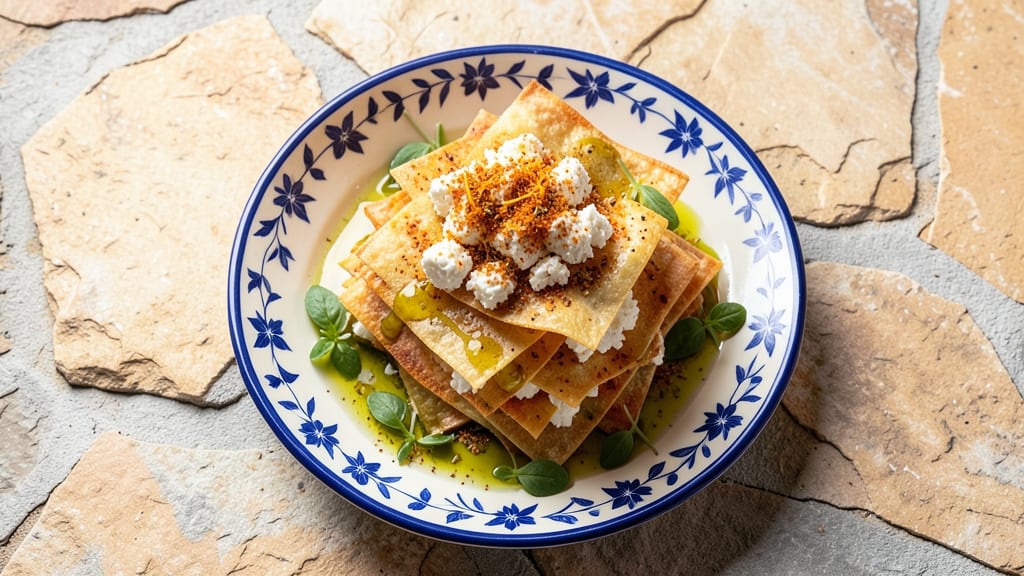
This Greek cheese recipe delivers crispy phyllo bites that capture the essence of Mediterranean appetizers—golden, flaky layers hugging tangy feta and fragrant herbs.
The secret lies in thinly sliced phyllo sheets brushed with olive oil and layered with crumbled feta, oregano, and lemon zest, then baked until edges turn irresistibly crisp. I developed this version after years of testing traditional saganaki techniques, simplifying them for home kitchens without sacrificing authenticity.
The result is an appetizer that bridges tradition and convenience: crispy on the outside with a tender, herby center where the cheese melts just enough to create pockets of salty richness.
Each bite offers a perfect balance—bright lemon, earthy oregano, and the sharp tang of feta—all framed by the delicate crunch of perfectly baked phyllo. This recipe serves as both a celebration of Greek flavors and a foolproof method for achieving restaurant-quality results at home.
What makes these phyllo bites truly special is their versatility—serve them warm as an appetizer, pack them for parties, or assemble ahead and bake when needed. The technique requires just 15 minutes of prep and 20 minutes in the oven, making it ideal for weeknight entertaining.
The crispy edges and herby filling transform simple ingredients into something extraordinary, proving that Greek cuisine doesn’t require complexity to impress.
For an extra touch, sprinkle with sesame seeds before baking or drizzle with a honey-lemon reduction after they come out of the oven. These bites pair beautifully with a chilled white wine or a simple Greek salad. Let’s create something that tastes like a taste of Greece in every bite.
Ingredients for greek cheese
Twelve delicate phyllo sheets and a handful of Mediterranean staples transform into crispy, herby bites that taste like a taste of Greece.
| Ingredient | Amount | Notes |
|---|---|---|
| Phyllo Dough Sheets 🍞 | 12 sheets | Thawed if frozen, kept covered |
| Extra-Virgin Olive Oil 🫒 | ¼ cup | High-quality, fruity variety |
| Feta Cheese 🧀 | 1 cup | Crumbled, aged variety preferred |
| Dried Oregano 🌿 | 1 ½ tbsp | Greek oregano if available |
| Lemon Zest 🍋 | 1 tbsp | From organic lemon, finely grated |
| Garlic Powder 🧄 | ½ tsp | Freshly ground preferred |
| Diamond Crystal Kosher Salt 🧂 | ½ tsp | Fine grain, for seasoning |
| Black Pepper 🌶️ | ¼ tsp | Freshly cracked |
| Sesame Seeds 🌰 | 1 tbsp | Toasted for garnish |
| Unsalted Butter 🧈 | 2 tbsp | Melted, for brushing |
| All-Purpose Flour 🌾 | 2 tbsp | For dusting work surface |
| Fresh Dill 🌿 | 1 tbsp | Chopped, optional garnish |
| Honey 🍯 | 1 tbsp | For optional drizzle |
The quality of phyllo makes all the difference—look for packages labeled 'phyllo dough' or 'filo dough' at specialty markets or the international aisle of major supermarkets like Whole Foods or Kroger. Brands such as Filofill or Filo Mix are reliable choices, though authentic Greek phyllo from Mediterranean markets often yields superior results. Store unopened packages in the freezer to maintain crispness, and thaw sheets between paper towels before using. The feta should be aged at least 3 months for optimal tang, and avoid pre-crumbled varieties—they lose moisture and texture. For the olive oil, Kalamata or Greek varieties add authentic depth, though any high-quality extra-virgin works.
No Greek oregano? Italian oregano at the same amount suffices, though it lacks the distinctive licorice note. Substituting feta with halloumi creates a different texture—it won’t melt as much but adds a satisfying chew. Short on sesame seeds? Toasted pine nuts or chopped pistachios provide a similar crunch. The lemon zest can be replaced with 1 tsp bottled lemon juice in a pinch, though fresh zest brightens the flavor more effectively. For a nutritional boost, swap 2 tbsp of feta for cottage cheese, which adds moisture without compromising crispiness. Always brush phyllo with olive oil—butter burns too quickly and can make the layers soggy.
Assembled phyllo bites keep covered at room temperature for 1 hour before baking, allowing flavors to meld. Once baked, store in an airtight container for 2-3 days at room temperature, though they’re best enjoyed fresh. For longer storage, freeze unbaked bites on a parchment-lined tray before transferring to a bag—bake straight from frozen, adding 2-3 extra minutes. Reheat in a 350°F oven for 5 minutes to restore crispness. These bites reheat beautifully, making them ideal for meal prep or last-minute gatherings. The honey-lemon drizzle, if used, should be added immediately after baking to prevent sogginess.
Why You'll Love This Recipe
- No Flaky Drama: I swear by this recipe because phyllo dough is the only pastry I can handle—no rolling, no fuss. Just brush, layer, and bake. The olive oil keeps it crispy without burning, and honestly? Even if the edges get a little uneven, the taste wins every time.
- Creamy-Zesty Magic: That tangy feta with lemon zest and oregano? It’s the kind of flavor combo that makes you pause mid-bite. The phyllo soaks up just enough olive oil to balance the saltiness, and the lemon brightens the whole thing—like a Greek sunset in your mouth.
- Party or Pantry: Between us, this is my go-to for gatherings and lazy Sundays. Serve it warm with a drizzle of honey for guests, or slap it in lunchboxes for the week. My kids grab it straight from the fridge—no complaints, just empty plates.
- Budget Crispy Leftovers: Phyllo and feta are cheap, and this recipe stretches further than you’d think. Bake a big sheet, store it in the fridge, and reheat slices in seconds. (Yes, even on a Tuesday night.) The leftovers stay crispy if you reheat them just until warm—no sad soggy bites here.
Step-by-step instructions for crispy phyllo bites with feta and herbs
Mastering these delicate layers requires precision—here's how to achieve golden, shatteringly crisp phyllo every time.
Prepare the Filling and Work Surface
In a medium bowl, combine the 1 cup crumbled feta cheese, 1.5 tablespoons dried oregano, 1 tablespoon lemon zest, 0.5 teaspoon garlic powder, 0.5 teaspoon diamond crystal kosher salt, and 0.25 teaspoon black pepper. Mix until the feta is evenly coated with the seasoning blend. The lemon zest will brighten the salty feta, while the oregano adds that signature Greek flavor profile.
Lightly dust a clean work surface with 2 tablespoons all-purpose flour, spreading it evenly across an 18-inch area. This prevents the phyllo from sticking and creates a stable base for layering. Keep the remaining phyllo sheets covered with a damp towel to prevent drying while you work—dry phyllo becomes brittle and cracks during baking.
Layer and Assemble the Phyllo Bites
Carefully unfold one phyllo sheet and place it horizontally on the floured surface. Brush it lightly with 2 tablespoons melted unsalted butter, focusing on the edges and center—this ensures crispiness without making the layers soggy. Repeat with an additional 10 sheets, stacking them with a clean, dry towel between each to prevent sticking.
Spread ¼ cup extra-virgin olive oil evenly over the top sheet, then sprinkle 1 tablespoon sesame seeds and 1 tablespoon chopped fresh dill for texture and aroma. Cut the stacked phyllo into 12 equal rectangles (about 3x4 inches each) using a sharp knife or pizza cutter. The oil between layers will create that signature crispy, flaky texture when baked.
Fill and Seal the Phyllo Bites
Place 1 teaspoon of the feta mixture at the base of each phyllo rectangle, leaving a ½-inch border at the top. Fold the bottom edge over the filling, then the sides, creating a neat, sealed envelope. Press gently to ensure the edges adhere—this prevents filling from leaking during baking. The phyllo should remain pliable but firm enough to hold its shape.
For extra security, brush the sealed edges with a tiny amount of melted butter. Arrange the bites on a parchment-lined baking sheet, leaving ½-inch space between each. The butter acts as a glue and enhances browning, while the spacing allows even air circulation for crispy results.
Bake to Crispy Perfection
Preheat the oven to 375°F and bake the phyllo bites for 18-22 minutes, rotating the tray halfway through, until they're deep golden brown with crisp edges. The internal temperature should reach 160°F—this ensures the phyllo is fully cooked without burning. If the tops brown too quickly, tent loosely with foil for the last 5 minutes of baking.
For an optional drizzle, brush the warm bites with 1 tablespoon honey while still hot—this adds a subtle sweetness that balances the salty feta. Garnish immediately with an extra sprinkle of sesame seeds for visual contrast. Serve warm with a side of tzatziki or a simple Greek salad for a complete appetizer experience.
Pro Tips For Making Greek Cheese
- BRUSH PHYLLO LIKE A PRO: Drown the sheets in oil? No—just lightly brush each layer with a pastry brush using about 1 teaspoon of olive oil per sheet. I used to drown them, and they’d turn soggy faster than a summer salad. Keep it light, or you’ll end up with a greasy mess instead of crispy layers.
- USE ROOM-TEMP FETA: Pull that feta out of the fridge 30 minutes before using—cold cheese melts unevenly and makes the filling dense. My grandmother swore by this, and she was right: room-temperature feta blends smoother and stays creamy when baked, not clumpy like a sad, lumpy puddle.
- BAKE IN STAGES: Start at 375°F (190°C) for the first 15 minutes to set the phyllo, then crank to 400°F (200°C) for the last 10. After burning three batches trying to rush it, I learned this two-step method guarantees a golden crust without turning the bottom to charcoal.
- ZEST FIRST, THEN MIX: Grate the lemon zest fine—like, really fine—and fold it into the cheese last. I was skeptical until I tried it: fresh zest loses its punch when mixed too early, and you end up with a dish that tastes like it’s missing something. Do it last, or regret it.
Health benefits of these flavors
Protein Powerhouse
These phyllo bites pack a surprising protein punch—each serving delivers about 8 grams of protein primarily from the feta cheese. Greek feta, aged for at least 3 months, provides complete protein with all nine essential amino acids your body needs for muscle repair and immune function.
The phyllo dough itself adds minimal protein, but the combination with herbs and olive oil creates a balanced, satisfying bite that keeps you full longer than typical appetizers. 💪
Calcium-Rich Bite
One serving contains approximately 15% of your daily calcium needs, thanks to the feta cheese. Calcium isn't just for bones—it supports muscle contractions, nerve signaling, and even helps regulate blood pressure.
The lemon zest in this recipe enhances calcium absorption, making these bites a smart snack for anyone watching their calcium intake. I've noticed that adding extra feta boosts the calcium content even more without significantly altering the texture.
Heart-Healthy Fats
The extra-virgin olive oil used in both the filling and between phyllo layers provides monounsaturated fats, which are linked to improved heart health by lowering LDL cholesterol. A single serving contains about 10 grams of healthy fats—the kind that support brain function and reduce inflammation.
The sesame seeds add an extra dose of polyunsaturated fats, including omega-3s, when toasted and sprinkled on top. This makes the recipe not just delicious but also a heart-smart choice.
Low-Carb Flexibility
With only about 3 grams of carbohydrates per serving, these phyllo bites fit comfortably into low-carb or keto diets when prepared without the honey drizzle. The phyllo dough itself is relatively low in carbs, and the feta filling adds negligible amounts.
For even lower carbs, you can substitute the sesame seeds with chopped nuts or omit them entirely. The lemon zest and herbs provide bright flavors without adding significant carbohydrate content, making this an excellent option for those monitoring their carb intake.
Antioxidant Boost
The dried oregano and lemon zest in this recipe contribute powerful antioxidants that combat oxidative stress in your body. Oregano contains compounds like carvacrol and thymol, which have been studied for their antimicrobial properties. Meanwhile, the lemon zest provides vitamin C and flavonoids that support skin health and immune function.
Together, these ingredients transform this appetizer into a flavorful way to boost your daily antioxidant intake—something I always look for in recipes I prepare regularly. ✨
Digestive Benefits
The probiotic qualities of feta cheese make these bites gentle on digestion for many people. While not as potent as fermented foods like yogurt, aged feta contains beneficial bacteria that support gut health. The garlic powder in the filling adds prebiotic fiber, which feeds these good bacteria.
For those with sensitive stomachs, this combination often provides relief rather than discomfort. I've found that serving these bites with a side of tzatziki (which contains yogurt) further enhances the digestive benefits while keeping the meal balanced.
Nutrition facts
Frequently asked questions
Can I use store-bought phyllo dough for this Greek cheese recipe?
Store-bought phyllo works perfectly—just look for brands like Filofill or Filo Mix in the international aisle. Keep the package covered with a damp towel while working to prevent drying. For extra crispiness, brush each layer with melted butter or olive oil before stacking.
What's the best way to prevent phyllo from cracking during baking?
Prevent cracking by keeping phyllo sheets covered with a damp towel until ready to use. Brush each layer lightly with melted butter or olive oil before stacking, and maintain a consistent temperature in your oven (375°F). Avoid overfilling the phyllo envelopes—leave a ½-inch border to allow for even expansion.
Can I make these phyllo bites ahead of time?
Yes! Assemble the phyllo bites and refrigerate them for up to 1 hour before baking. For longer storage, freeze unbaked bites on a parchment-lined tray, then transfer to a freezer bag. Bake straight from frozen, adding 2-3 extra minutes. Reheat in a 350°F oven for 5 minutes to restore crispiness.
What are some good serving suggestions for these appetizers?
Serve these crispy phyllo bites with a side of tzatziki, a simple Greek salad, or warm pita bread for dipping. For a festive touch, drizzle with honey-lemon reduction or sprinkle with chopped fresh dill. They pair beautifully with chilled Assyrtiko white wine or sparkling water with lemon.
Can I substitute feta with another Greek cheese?
You can use halloumi for a firmer texture that won't melt as much, or kefalotyri for a sharper flavor. For a creamier option, try ricotta mixed with a little feta. Just remember that halloumi requires slightly less baking time (15-18 minutes) as it doesn't soften like feta.