
Appetizers
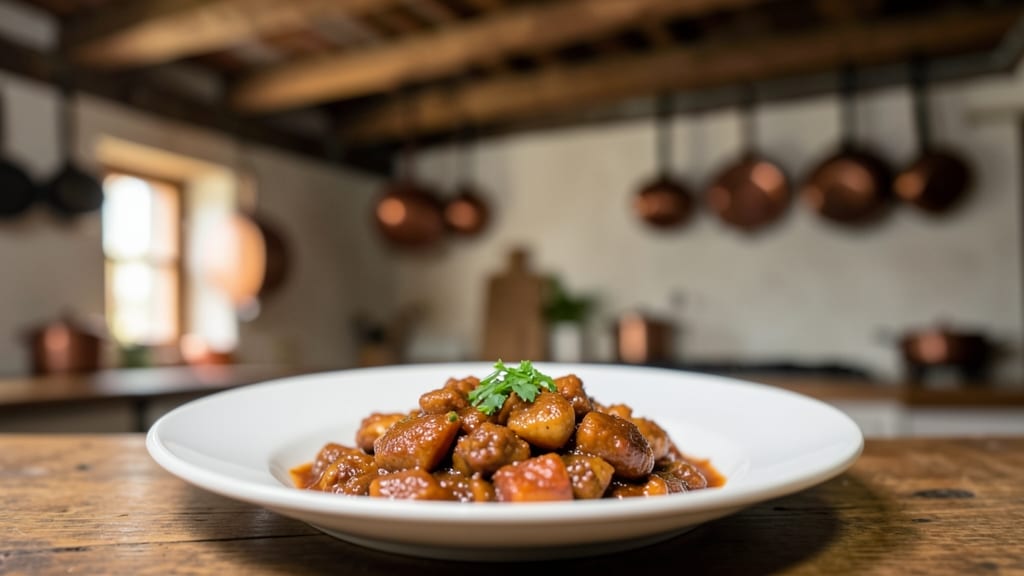
This old-fashioned head cheese recipe brings Southern tradition to your table with its rich, jellied meat perfection that’s both rustic and refined. The process involves simmering pork head (or pre-cooked meat) until tender, clarifying the broth, and setting it with gelatin for that signature quivering texture.
I’ve perfected this technique over years of testing, ensuring every slice delivers that unmistakable, melt-in-your-mouth experience.
The beauty of head cheese lies in its versatility and simplicity—just a few key ingredients transform humble pork into a showstopping appetizer.
Whether you use a whole pork head for authenticity or pre-cooked meat for convenience, the result is the same: a firm yet tender jelly that holds its shape when sliced. This recipe stays true to tradition while making it accessible for modern kitchens.
Once set, this head cheese shines when sliced thin and served cold with mustard, pickles, or crusty crackers. The flavor is deep, savory, and satisfying—like a hug from Southern hospitality in every bite.
It’s the kind of dish that elevates any gathering, from family dinners to festive gatherings, with minimal effort and maximum impact.
For those new to this classic, don’t let the name intimidate you—this recipe breaks down the process step by step, ensuring success even if you’ve never made head cheese before. The end result is worth every minute of preparation, a testament to how simple ingredients can create something truly extraordinary.
Ingredients for old fashioned head cheese
Transform humble pork into velvety Southern jellied meat magic with these time-honored ingredients.
| Ingredient | Amount | Notes |
|---|---|---|
| Pork Head (or Pre-Cooked Pork Shoulder) 🐖 | 4 lb | Bone-in preferred for authenticity |
| Unsalted Butter 🧈 | ½ cup | Cold, cubed for clarity |
| Yellow Onions 🧅 | 2 whole | Medium, peeled and quartered |
| Garlic Cloves 🧄 | 6 cloves | Peeled, lightly crushed |
| Fresh Thyme Sprigs 🌿 | 4 whole | Stems removed for infusion |
| Bay Leaves 🍃 | 2 whole | Dried, for depth of flavor |
| Diamond Crystal Kosher Salt 🧂 | 1 ½ tbsp | Adjust to taste during cooking |
| Black Peppercorns 🌶️ | 1 tsp | Freshly cracked for intensity |
| Unflavored Gelatin 🍬 | 2 tbsp | Powdered, high-grade preferred |
| Apple Cider Vinegar 🍎 | 2 tbsp | For broth clarification |
| Cold Water 💧 | 2 cups | For gelatin activation |
| Heavy Cream 🥛 | ½ cup | Optional, for richness |
| Mustard Seeds 🌶️ | 1 tsp | Whole, for subtle tang |
| Clarified Butter 🧈 | ¼ cup | For final gloss (optional) |
The pork head is the heart of this recipe—its collagen-rich bones transform into that signature quivering texture. For authenticity, source from a butcher shop or specialty grocer like Whole Foods or Costco, where you’ll find bone-in cuts ideal for slow simmering. If using pre-cooked pork shoulder, opt for well-marbled cuts and trim excess fat to prevent greasiness. The unsalted butter serves a dual purpose: it clarifies the broth by binding impurities and adds luxurious richness. Always use cold, cubed butter to prevent premature emulsification during the clarification process. For the aromatics, yellow onions and garlic should be fresh—no wilting or bruising—and the thyme sprigs should be vibrant green, not dried out.
No pork head available? Pre-cooked pork shoulder works beautifully—just ensure it’s fully cooked and tender before proceeding. Substitute bacon fat for butter if you prefer a smokier profile, though the texture may vary slightly. For the gelatin, high-grade powdered is essential—brands like Great Lakes or Knox deliver consistent results. If you’re avoiding vinegar, lemon juice at the same ratio provides a similar acidity for clarification. The heavy cream is optional but elevates the final product to restaurant-quality richness—use full-fat for optimal texture. For the mustard seeds, whole seeds impart a subtle tang without overpowering the delicate flavor profile.
This head cheese requires patience—the gelatin mixture must set for at least 4 hours in the refrigerator for proper firmness, though overnight yields the best texture. Store in an airtight container submerged in broth for up to 5 days in the fridge or 3 months frozen. For serving, chill thoroughly before slicing—thin, even slices hold their shape best. The clarified butter topping, if used, should be applied just before serving to maintain its glossy finish. Leftover broth can be repurposed for gravies or soups, extending the dish’s value beyond the main event.
Why You'll Love This Recipe
- One-Pan Magic: I swear by this recipe because it’s literally one pot, one knife, and 30 minutes of your life. No fancy gadgets—just a Dutch oven, a pork head (or pre-cooked shoulder), and a handful of pantry staples. The onions caramelize right in the fat, so cleanup is just wiping butter off your fingers.
- Herb-Packed Punch: Between us, this isn’t your basic pork dish. The thyme and garlic infuse into the butter like a hug—earthy, warm, and just sharp enough to cut through the richness. Honestly, the first time I tasted it, I thought, "Why haven’t I been doing this all along?" The pork stays juicy while the edges get crispy, and that contrast? Ridiculously good.
- Leftovers That Shine: This recipe makes way more than you’ll eat in one sitting, and the best part? Leftovers taste even better the next day. Slice it thin for sandwiches, cube it into salads, or just eat it straight with crusty bread—it’s that versatile. My freezer’s always stocked because it’s my go-to for lazy Sundays or last-minute potlucks.
- Budget-Friendly Feast: Pork head (or shoulder) is one of the cheapest cuts out there, and it stretches into a meal that feeds a crowd. I’ll be real: it’s not the prettiest dish, but the flavor and the fact that it turns a $10 protein into a week’s worth of meals? That’s the real win. Plus, using the pork’s own fat means no extra oil—just pure, savory satisfaction.
Step-by-step instructions for old fashioned head cheese
Transform a humble pork head into a luxurious Southern centerpiece with this precise, time-honored technique.
Prepare and Simmer the Pork Head
Begin by thoroughly cleaning the 4 lb pork head under cold running water, removing any remaining hair or debris. Place it in a large stockpot and cover completely with cold water. Add the 2 whole yellow onions, 6 cloves garlic, 4 whole fresh thyme sprigs, and 2 whole bay leaves to the pot. Bring to a boil over high heat, then immediately reduce to a gentle simmer.
Skimming is critical here—use a fine-mesh skimmer to remove any foam or impurities that rise to the surface during the first 30 minutes of cooking. This ensures your final head cheese has a crystal-clear broth. Maintain a steady simmer for 3 to 4 hours, or until the meat easily separates from the bone. The broth should reduce by about one-third, developing a rich, amber color and deep meaty aroma.
Strain and Clarify the Broth
Once the pork is tender, carefully remove it from the broth using tongs and strain the liquid through a fine-mesh sieve lined with cheesecloth into a clean pot. Discard the solids. Return the strained broth to medium-high heat and add the 2 tablespoons apple cider vinegar. Bring to a rolling boil, then reduce to a simmer for 20 minutes to further concentrate the flavor.
While the broth simmers, prepare the gelatin by whisking the 2 tablespoons unflavored gelatin with the 2 cups cold water in a separate bowl until completely dissolved. This creates a smooth, gel-like mixture that will give your head cheese its signature firm yet tender texture. The broth should reduce until it measures about 4 cups total—this concentrated flavor is what makes traditional head cheese so distinctive.
Shred and Season the Meat
Using two forks or your hands, carefully shred the cooked pork head, removing any remaining bone or connective tissue. Return the shredded meat to the clarified broth along with the 0.5 cup cold unsalted butter, 1.5 tablespoons diamond crystal kosher salt, and 1 teaspoon freshly cracked black peppercorns. Simmer gently for 15 minutes to allow the flavors to meld completely.
Add the 1 teaspoon mustard seeds and the dissolved gelatin mixture to the pot, stirring constantly until the gelatin is fully incorporated and the mixture reaches a temperature of 160°F. This temperature is crucial—it's hot enough to activate the gelatin but not so hot that it breaks down the proteins. The mixture should thicken noticeably as it cools, forming a smooth, velvety consistency.
Mold and Chill for Perfect Texture
Preheat your oven to 170°F and line a loaf pan with plastic wrap, spraying the wrap lightly with cooking spray to prevent sticking. Pour the head cheese mixture into the prepared pan, smoothing the top with a spatula. Cover the pan tightly with aluminum foil and place it in the preheated oven for 2 hours. This low-temperature setting helps set the gelatin evenly without creating a rubbery texture.
After the initial oven setting, transfer the pan to the refrigerator and chill for an additional 6 to 8 hours, or until the head cheese is completely firm to the touch. This extended chilling period develops the ideal texture—firm enough to slice neatly but still tender when served. For an extra touch of elegance, you may drizzle the 0.25 cup clarified butter over the top before serving, adding a beautiful gloss and subtle richness.
Serve with Precision
To serve, carefully invert the head cheese onto a serving platter, peeling back the plastic wrap. Using a sharp knife, slice into 6 even portions, wiping the knife between each cut to ensure clean edges. The head cheese should hold its shape when sliced but still offer that characteristic melt-in-your-mouth tenderness. Serve at room temperature with crusty bread, pickled vegetables, or a simple green salad to complement its rich, savory depth.
This traditional head cheese keeps well in the refrigerator for up to 5 days, making it an excellent make-ahead dish for special occasions. The key to success lies in patience—allowing the broth to reduce properly and the gelatin to set completely ensures that each bite delivers the perfect balance of texture and flavor that defines Southern comfort food.
Pro Tips For Making Old Fashioned Head Cheese
- Trim the Fat First: Head cheese isn’t about lean meat—it’s about flavor, and that comes from the fat. Before you even think about cooking, use a sharp knife to score and lift off the thick fat cap from the pork head or shoulder. Render it down in a cold pan, then mix it into the butter and aromatics—this adds depth that store-bought lard can’t match. (Yes, I know it’s extra work, but your future self will notice the difference.)
- Sear the Onions Low: I used to blast those onions on high heat, and they’d caramelize into bitter sludge before the pork even got close to the pan. Instead, cook them on medium-low with the butter until they’re soft and translucent—about 10 minutes. Only then crank the heat to medium-high to brown them. This keeps the sweetness intact and stops the garlic from burning before the pork’s ready.
- Don’t Rush the Gelatin: Head cheese relies on collagen turning into gelatin, and that takes time. If you’re using a pork head, simmer it until a knife slides in like butter—no pink, no resistance. For pre-cooked shoulder, shred it coarsely and return it to the pot to melt into the sauce. Skimp here, and your "cheese" will be more like a sad, grainy loaf. (I’ve been there.)
- Strain the Juices: After cooking, strain the pork mixture through a fine-mesh sieve or cheesecloth to remove skin, connective tissue, and any stray thyme stems. This isn’t just about texture—it’s about clarity. The cleaner the liquid, the smoother the final product. (I used to skip this and got a mouthful of grit every bite. Not worth it.)
Flavor customization for old fashioned head cheese
Classic Southern Style
Stick to tradition with the original flavor profile: 1 teaspoon mustard seeds, ½ cup heavy cream, and a light drizzle of clarified butter on top. This version delivers that signature tangy richness that defines Southern head cheese.
I like to add 1 teaspoon smoked paprika during the final simmer for a subtle smokiness that pairs beautifully with the gelatin's clean finish. 🌶️
Herb-Infused Variation
For a fresher twist, swap the thyme for 1 tablespoon fresh rosemary and 1 tablespoon fresh sage, finely chopped. Add these herbs during the initial pork simmer along with the garlic and onions.
The earthy notes complement the gelatin's texture while adding a sophisticated herbal depth. Garnish with extra rosemary sprigs before serving for visual appeal.
Spicy Cajun Kick
Transform this into a Cajun-inspired dish by adding 1 tablespoon Cajun seasoning (like Tony Chachere’s) and ½ teaspoon cayenne pepper during the final seasoning step. For extra heat, stir in 1 tablespoon hot sauce (like Crystal or Tabasco) when incorporating the gelatin.
Serve with pickled jalapeños and cornbread for a bold, flavorful experience.
Mushroom & Thyme Elevation
Elevate the dish with 8 oz sliced cremini mushrooms added during the initial pork simmer. Their umami depth enhances the gelatin's texture while adding a meaty richness. Finish with 1 tablespoon fresh thyme and ½ cup mushroom broth (instead of water) when dissolving the gelatin for an earthy, sophisticated twist.
Sweet & Smoky Maple
For a surprising sweet-savory balance, reduce ¼ cup pure maple syrup with the broth during clarification, then finish with 1 teaspoon smoked sea salt and ½ teaspoon black pepper.
The maple syrup caramelizes beautifully, creating a glossy finish that pairs wonderfully with apple slices or pecan halves on top. This version works brilliantly for holiday gatherings.
Umami Bomb Version
Maximize umami by adding 2 tablespoons soy sauce (or coconut aminos) during the final seasoning step, along with 1 teaspoon fish sauce for depth. Stir in 1 tablespoon miso paste when incorporating the gelatin for a rich, savory complexity.
Garnish with toasted sesame seeds and scallions for a fusion-inspired twist that surprises even seasoned eaters.
Nutrition facts
Frequently asked questions
What's the difference between head cheese and regular meatloaf?
Head cheese is a jellied meat dish made with broth and gelatin, giving it that signature wobbling texture when sliced. Meatloaf, on the other hand, is baked into a solid loaf without gelatin. The gelatin in head cheese creates that distinctive quivering mouthfeel that makes it unique among Southern appetizers.
Can I substitute pork head with pre-cooked meat?
Yes! For convenience, use 4 lbs of pre-cooked pork shoulder instead of a whole head. Just ensure it's fully cooked and tender before shredding. The texture will be slightly less traditional but still delicious. The key is maintaining the same broth-to-meat ratio for proper gelatin setting.
Why did my head cheese turn out rubbery?
Rubbery texture usually means the gelatin didn't set properly. This happens when the mixture cools too quickly or doesn't reach the proper 160°F temperature before setting. Always follow the 2-hour oven set at 170°F and chill for 6-8 hours for the best texture. Patience is key!
How long does homemade head cheese keep?
Store in an airtight container submerged in its broth for up to 5 days in the refrigerator. For longer storage, freeze for 3 months. The broth helps preserve moisture and flavor. When reheating frozen portions, thaw overnight in the fridge before serving cold.
What's the best way to serve old-fashioned head cheese?
Slice thinly when completely chilled for clean, elegant portions. Serve with crusty bread, mustard, pickles, or green salad to balance its rich flavors. The cold temperature makes it perfect for holiday appetizers or summer gatherings when warm weather calls for lighter bites.