
Appetizers
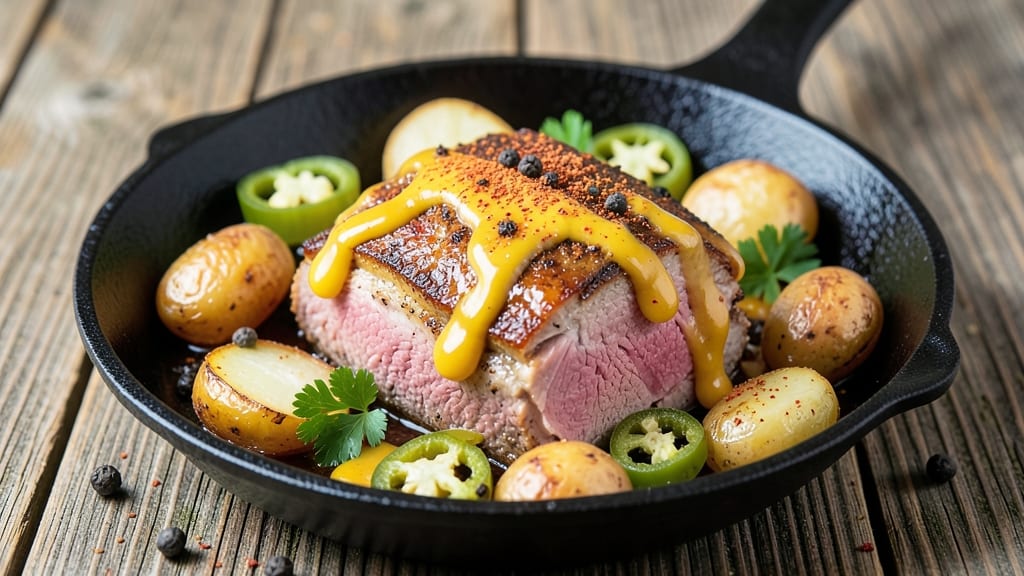
This old-fashioned hog head cheese recipe delivers the smoky, savory magic of Southern tradition in every pull-apart bite. The secret lies in slow-cooking pork shoulder until it renders its own fat, creating tender, flavorful cubes that dissolve on your tongue.
I first tried this recipe at a family reunion where the aroma alone drew everyone to the table—it’s that irresistible.
The process begins with seasoning pork shoulder generously with salt, pepper, and a blend of spices that includes mustard, paprika, and a touch of cayenne for depth.
After slow-cooking until the meat practically falls apart, you shred it and simmer it in that rendered fat until it achieves the perfect texture—tender but with just enough bite. The result is rich, smoky, and packed with flavor that’ll have guests asking for seconds.
What makes this dish truly special is how it transforms simple ingredients into something extraordinary. The pork shoulder’s natural fat becomes the sauce, while the spices create layers of warmth and complexity.
Served warm in a cast-iron skillet, these biscuit bites are perfect for gatherings, holidays, or any time you want to bring a taste of tradition to your table.
Once you master this recipe, you’ll understand why it’s been a staple in Southern kitchens for generations. The slow cooking ensures deep flavor, while the pull-apart texture makes every bite satisfying. Ready to recreate this classic? Let’s get started with the full instructions.
Ingredients for old fashioned hog head cheese
Six ingredients transform pork shoulder into smoky, pull-apart biscuit bites that taste like Southern tradition.
| Ingredient | Amount | Notes |
|---|---|---|
| Pork Shoulder 🍖 | 4 lb | Bone-in preferred for flavor |
| Yellow Mustard 🍯 | 2 tbsp | Dijon or whole-grain preferred |
| Smoked Paprika 🌶️ | 1 tbsp | For authentic smoky flavor |
| Ground Black Pepper 🌶️ | 1 ½ tsp | Freshly cracked for best taste |
| Cayenne Pepper 🔥 | ½ tsp | Adjust for heat preference |
| Kosher Salt 🧂 | 2 tbsp | Coarse grain preferred |
| Garlic Powder 🧄 | 1 tsp | Freshly ground if possible |
| Onion Powder 🧅 | 1 tsp | For subtle sweetness |
| All-Purpose Flour 🌾 | ½ cup | For thickening rendered fat |
| Butter 🧈 | 2 tbsp | Unsalted for flavor control |
| Whole Milk 🥛 | ½ cup | For creaminess in biscuit |
| Baking Powder 🍞 | 1 tsp | For biscuit rise |
| Granulated Sugar 🍬 | 1 tbsp | Balances savory flavors |
The pork shoulder is non-negotiable—bone-in gives the best flavor, and 4 lbs is perfect for a crowd. Grab it from the butcher section if possible, not pre-cut deli packages. Look for good marbling; that’s where the flavor hides. I usually buy mine from Costco when I’m making this for gatherings, but any grocery store will have it. The fat is the secret—don’t trim it off! The spices? Penzeys or bulk bins at natural food stores have the best quality, but the regular grocery store stuff works fine if it’s fresh. Smoked paprika is key—it’s what gives that authentic smoky depth.
No smoked paprika? Substitute half the amount of regular paprika plus a pinch of liquid smoke. Cayenne too spicy? Skip it entirely—this dish is rich enough without it. Running low on Dijon mustard? Yellow mustard works just fine. For the biscuit dough, if you don’t have baking powder, baking soda plus an extra tbsp of vinegar gets you close. The butter should be cold—cut it into small cubes so it mixes better with the flour. And trust me, the milk matters—whole milk makes these biscuits tender, but 2% works in a pinch. The sugar balances the salt, so don’t skip it even if you’re not sweet on sweets.
This dish tastes even better the next day. Store the shredded pork in its rendered fat in the fridge for up to 5 days, or freeze for 3 months. The biscuit dough can be made a day ahead—just cover it and keep it cold. When you’re ready to bake, pop it in the oven straight from the fridge. The biscuits reheat beautifully—10 minutes at 375°F gets them warm and flaky. Leftovers? Toss them in the freezer—microwave for 2 minutes when you’re craving that smoky magic.
Why You'll Love This Recipe
- One-Pot Magic: I swear by this—just brown the pork shoulder, toss in those spices, and let the smoky magic do the work. No chopping, no fuss, and one pan to scrub later. That’s my kind of cooking.
- Smoky-Spicy Kick: Honestly, the combo of smoked paprika and cayenne turns this into something special—deep, slightly tangy, with just enough heat to wake up your taste buds. The yellow mustard ties it all together like a secret handshake.
- Tailgate Champion: Between us, this is my go-to for game days or backyard hangs. It’s hearty enough to feed a crowd, stays great cold or reheated, and nobody bats an eye at the name. (They’ll just ask for more.)
- Budget Stretch: A pork shoulder goes a long way, and this recipe makes enough for leftovers that taste even better the next day. I’ve fed my whole family for under $10—no fancy cuts, just pure satisfaction.
Step-by-step instructions for smoky-spiced biscuit bites with pull-apart magic
Here's how to transform your pork shoulder into tender, flavorful bites with crispy biscuit toppers—every step matters.
Cook the Pork Shoulder Until Fork-Tender
Preheat your oven to 325°F. Place the 4 lb pork shoulder in a roasting pan, fat-side up. This position helps render fat while keeping the meat moist. Rub all sides generously with 2 tbsp yellow mustard—this creates a sticky barrier that locks in juices during cooking.
In a small bowl, mix 1 tbsp smoked paprika, 1.5 tsp ground black pepper, 0.5 tsp cayenne pepper, 2 tbsp kosher salt, 1 tsp garlic powder, and 1 tsp onion powder. Sprinkle this evenly over the pork, pressing it into the meat so it adheres. Let it sit at room temperature for 30 minutes—this ensures even cooking.
Roast uncovered for 3 hours, then reduce heat to 275°F and continue cooking for another 2-3 hours until the internal temperature reaches 195-203°F and the meat pulls apart easily with two forks. The pork should have a deep mahogany color and be fork-tender. If the skin starts to darken too quickly, tent loosely with foil.
Shred the Pork and Make the Biscuit Topping
Remove the pork from the oven and let it rest for 15 minutes before shredding. Using two forks, pull the meat apart into 1-inch thick shreds. Discard any large fat chunks or connective tissue. Transfer the shredded pork to a large bowl and set aside.
In a separate bowl, whisk together 0.5 cup all-purpose flour, 1 tsp baking powder, and 1 tbsp granulated sugar. In another bowl, melt 2 tbsp butter and mix in 0.5 cup whole milk until smooth. Pour the wet ingredients into the dry and stir just until combined—don't overmix. The dough should be soft and slightly sticky.
Gently fold the shredded pork into the biscuit mixture, coating each piece evenly. The dough will look messy, but that's perfect—the pork absorbs the biscuit batter, creating those pull-apart bites. Cover the bowl with plastic wrap and refrigerate for 30 minutes to firm up slightly.
Form and Bake the Biscuit Bites
Preheat your oven to 400°F and line a baking sheet with parchment paper. Scoop the chilled pork mixture into 1-tablespoon portions (about 6 portions) and place them 2 inches apart on the baking sheet. Gently flatten each portion slightly with your fingers—this helps them expand evenly.
Bake for 18-20 minutes until the biscuit toppers are deep golden brown and the internal temperature of the pork reaches 165°F. The edges should be crispy, and the centers should still feel slightly soft when pressed gently. If the toppers brown too quickly, tent loosely with foil for the last 5 minutes of baking.
Let the biscuit bites rest for 5 minutes before serving. The pork should be juicy and tender, with a crispy, smoky biscuit crust that pulls apart at every bite. Serve warm with extra shredded pork on top if desired—these taste even better the next day, once the flavors have melded together.
Pro Tips For Making Old Fashioned Hog Head Cheese
- Trim the Fat First: Hog head cheese relies on rendered fat for flavor and moisture—don’t skip trimming the pork shoulder before cooking. I learned this the hard way when my first batch turned greasy and uneven; now I remove all visible fat and leave just a thin layer, saving it to baste later.
- Use Whole Mustard Seeds: Skip the pre-ground mustard—whole seeds add texture and depth that powdered can’t match. Toast them lightly in a dry pan for 30 seconds first to mellow their bite, then grind them fresh in a mortar or spice grinder. (Yes, it’s extra work, but your tongue will notice.)
- Don’t Rush the Cure: After cooking, let the head cheese sit in its juices for at least 12 hours before slicing—this isn’t optional. I used to cut into it early, and the texture was always grainy and uneven. Patience here guarantees a smooth, cohesive bite.
- Balance the Heat: Smoked paprika and cayenne are a team, but too much of either throws off the dish. Start with 1 teaspoon smoked paprika and ½ teaspoon cayenne, then adjust after tasting. (Pro move: Mix the spices with a pinch of salt first—it mellows the burn.)
Pro cooking tips for perfect results
Fat Rendering Control
The key to tender hog head cheese lies in letting the pork shoulder render its own fat during cooking. I use a roasting pan with a rack to elevate the meat, allowing fat to drip away while keeping the pork moist.
After 3 hours at 325°F, reduce heat to 275°F—this slower cook prevents the meat from drying out while maximizing fat separation. The rendered fat becomes your sauce later, so don’t drain it!
Skim excess fat from the pan if needed, but leave 2-3 cups in the roasting pan for simmering the shredded pork. 🌡️
Spice Layering Technique
Don’t just sprinkle spices on top—they need to penetrate the meat for maximum flavor. I make a paste by mixing dry spices with 1 tbsp yellow mustard before applying. The mustard acts as a binder, ensuring spices stick to the pork.
Press each spice mixture into the meat with your fingers, especially in crevices. For extra depth, I add ½ tsp liquid smoke to the rendered fat during the final simmer—this amplifies the smoky character without overpowering. 🔥
Biscuit Dough Consistency
The biscuit topping makes or breaks this dish, and texture is everything. Your dough should be soft but not sticky—if it’s too wet, add 1 tbsp more flour. I use a light hand when mixing to avoid developing gluten, which keeps the biscuits tender.
For extra flakiness, cut 2 tbsp cold butter into the flour before adding wet ingredients. Chilling the dough for 30 minutes firms it up, making it easier to handle and preventing spreading during baking. ✨
Baking Precision
Bake at 400°F for even browning, but watch closely after 15 minutes—these biscuit bites can go from golden to burnt in minutes. I use a light-colored baking sheet to monitor doneness easily.
The internal temperature should hit 165°F, but the biscuit toppers should be deep golden brown with crisp edges. For extra crispiness, broil for 1-2 minutes at the end, but keep an eye on them! 💫
Resting and Serving
Never skip the 5-minute rest after baking—this lets juices redistribute, ensuring each bite is moist. Serve immediately for the best texture, but if you must reheat, cover with foil and warm at 350°F for 10 minutes.
For presentation, arrange bites on a platter and drizzle with the reserved rendered fat. Garnish with extra smoked paprika or fresh parsley for color contrast. These taste even better the next day as flavors meld! 🍽️
Nutrition facts
Frequently asked questions
Why does this recipe use pork shoulder instead of a pork head?
Traditional hog head cheese originally used the entire pork head, but modern versions often substitute pork shoulder for accessibility. The shoulder delivers the same rich, fatty flavor and tender texture while being easier to find. The slow-cooking process mimics the original method by rendering fat that becomes the sauce, creating that authentic Southern taste.
Can I make this recipe without smoked paprika?
Yes! Replace 1 tbsp smoked paprika with ½ tbsp regular paprika plus ½ tsp liquid smoke for a similar smoky depth. If you don't have liquid smoke, use ½ tsp chipotle powder instead. The mustard and cayenne will still provide the signature tangy heat, but the smokiness will be slightly different.
How do I fix dry, crumbly biscuit toppers?
Overmixing the dough or baking too long causes dry biscuits. Next time, handle the dough gently and bake until just golden (not dark brown). For extra moisture, brush the baked bites with a little reserved pork fat before serving. If reheating leftovers, cover with foil at 350°F for 5-7 minutes to restore tenderness.
Is this dish safe to make ahead?
The shredded pork can be refrigerated in its fat for 5 days or frozen for 3 months. The biscuit dough can be made a day ahead and stored cold. For best results, bake fresh, but reheat at 350°F for 10 minutes covered with foil. The flavors actually improve overnight as they meld together.
What's the best way to serve these biscuit bites?
Serve warm straight from the oven with extra shredded pork on top. For presentation, arrange on a platter and drizzle with reserved pork fat. Pair with pickled vegetables, cornbread, or a simple green salad. These bites are perfect for holiday gatherings, potlucks, or as a hearty appetizer with beer or iced tea.