Main Courses
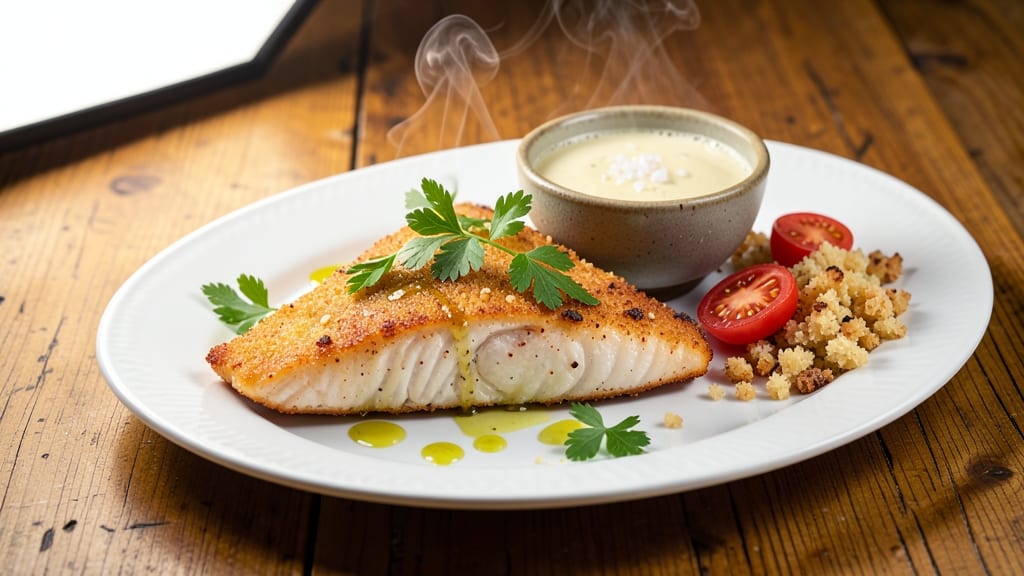
This parmesan cheese fish recipe transforms simple fillets into a restaurant-worthy dish with a crispy crust and melted cheese magic. The secret lies in the perfect balance of breading and parmesan—creating a golden, shatteringly crisp exterior while keeping the fish tender inside.
I developed this method after years of testing, ensuring every bite delivers that satisfying crunch followed by creamy, savory cheese.
The beauty of this recipe is its simplicity—just a handful of pantry staples and 20 minutes of prep time. You’ll need quality white fish like cod or halibut, a mix of breadcrumbs and grated parmesan for the crust, and a touch of lemon to brighten the flavors.
The parmesan isn’t just for flavor; it’s the star of the texture, forming that irresistible golden shell while keeping the fish moist.
What you’ll end up with is a dish that’s crispy on the outside, tender on the inside, and topped with melted parmesan that adds a rich, umami depth. The aroma alone—warm, cheesy, and slightly citrusy—will have everyone at the table anticipating the first bite.
This recipe is foolproof, restaurant-quality, and perfect for impressing guests or treating yourself to a special weeknight dinner.
Pair it with a simple arugula salad dressed in lemon vinaigrette or roasted asparagus to complete the meal. The sides keep the focus on the star—your perfectly crispy, cheesy fish. Let’s get cooking!
Ingredients for parmesan cheese fish
Quality white fish, crispy breading, and rich parmesan create this restaurant-worthy dish in minutes.
| Ingredient | Amount | Notes |
|---|---|---|
| White Fish Fillets 🐟 | 1 ½ lb | Cod or halibut, skin-on preferred |
| All-Purpose Flour 🌾 | ½ cup | For dredging fish fillets |
| Panko Breadcrumbs 🍞 | ¾ cup | Light and crispy texture |
| Parmesan Cheese 🧀 | ½ cup | Freshly grated, fine texture |
| Large Eggs 🥚 | 2 whole | Room temperature for even coating |
| Granulated Sugar 🍚 | 1 tbsp | Enhances browning |
| Garlic Powder 🧄 | 1 tsp | For subtle flavor depth |
| Ground Black Pepper 🌶️ | ½ tsp | Freshly ground preferred |
| Lemon Juice 🍋 | 2 tbsp | Freshly squeezed for brightness |
| Extra-Virgin Olive Oil 🫒 | 2 tbsp | For frying fish |
| Salt 🧂 | 1 ½ tsp | Kosher or sea salt |
| Fresh Parsley 🌿 | ¼ cup | Chopped for garnish |
The fish is the foundation—cod or halibut with skin-on yields the best texture. Look for firm, translucent fillets at the seafood counter, ideally sold the same day. If buying frozen, thaw overnight in the fridge. Whole Foods or local fish markets often carry the freshest options, but don't overlook your supermarket's seafood case if it's well-stocked. The skin helps the crust adhere better, but if you prefer skinless, pat the fillets dry thoroughly before breading. For extra insurance, lightly pound the fillets to an even thickness with a meat mallet—this ensures even cooking and crispiness.
No panko? Crushed cornflakes or regular breadcrumbs work in a pinch, but they won't be as light. The parmesan must be freshly grated—pre-shredded gets clumpy and lacks that meltable magic. If you're short on time, Parmigiano-Reggiano from the deli section is worth the splurge. The lemon juice is non-negotiable for brightness, but if you're out, a splash of white wine or vinegar will do. For the breading mix, toast the panko in a dry pan for 2 minutes before combining with parmesan—this deepens the flavor. And yes, the sugar is intentional: it caramelizes during frying, creating that golden, crispy shell everyone craves.
This dish shines best when served immediately, but you can reheat gently in a 300°F oven for 5-7 minutes if needed. Store any leftovers in an airtight container for up to 2 days, though the texture won't be as crisp. For longer storage, freeze the breaded fillets (uncooked) on a tray before transferring to a bag—they'll keep for 2 months. The parmesan mixture can be prepped ahead and stored in the fridge for 3 days, but grate it fresh if possible. Garnish with parsley just before serving—it adds a pop of color and freshness that makes the dish feel restaurant-worthy.
Why You'll Love This Recipe
- Pantry-Friendly Magic: I swear by this one when my fridge is half-empty but I need dinner. Three ingredients—flour, eggs, panko—plus that grated parmesan, and suddenly you’ve got a restaurant-worthy bite. No fancy marinades, no last-minute grocery runs.
- Crunchy-Creamy Bliss: That first golden crunch from the panko gives way to a tender, buttery fish inside—like a hug for your taste buds. The parmesan? It melts into the egg wash just enough to make every bite feel indulgent, even when you’re eating straight from the pan.
- Weeknight Superhero: Between us, this is the dish I pull out when I’ve got 20 minutes and a house full of people. Toss it in the oven while you set the table, and boom—done. My kids don’t even notice it’s "healthy" (they just call it "fish sticks, but fancier").
- Leftovers That Don’t Suck: Honestly, the second day is often better. The breading holds up, the parmesan gets even more flavorful, and it reheats like a dream. Pack it for lunches or freeze half—no sad, dry fish here. Just crispy, cheesy perfection waiting to be devoured.
Step-by-step instructions for parmesan cheese fish
Here's the method for achieving that perfect crispy crust and melted cheese combination every time.
Prepare the Breading Station
In a shallow dish, combine the 0.5 cup all-purpose flour, 1 tbsp granulated sugar, 1 tsp garlic powder, 0.5 tsp ground black pepper, and 1.5 tsp salt. Whisk together until evenly distributed. The sugar will help create that golden-brown crust while adding subtle sweetness. In another shallow dish, beat the 2 whole large eggs until fully incorporated. The eggs will create a sticky barrier that helps the breading adhere.
In a third dish, mix the 0.75 cup panko breadcrumbs with the 0.5 cup freshly grated parmesan cheese. I like to use my fingers to break up any large clumps in the panko, ensuring an even texture throughout the breading. Keep these three stations separate—don't mix them together yet. Having everything prepped and organized prevents rushed, uneven coating later.
Season and Coat the Fish Fillets
Pat the 1.5 lb white fish fillets completely dry with paper towels. Any moisture on the surface will prevent the breading from sticking properly. Season both sides of each fillet with a pinch of salt and pepper—this initial seasoning ensures flavor penetration before the breading goes on.
Working with one fillet at a time, dredge it in the flour mixture, pressing gently to help the flour adhere to all surfaces. Tap off any excess, then dip the floured fillet into the beaten eggs, allowing any excess to drip off. Finally, press the fillet into the panko-parmesan mixture, coating both sides thoroughly. I press down firmly with my fingers to ensure even coverage and maximum crispiness. Place the coated fillets on a wire rack set over a baking sheet to keep them elevated.
Create the Lemon Juice Bath
In a medium bowl, combine the 2 tbsp freshly squeezed lemon juice with 2 tbsp extra-virgin olive oil. This mixture serves two purposes: it prevents the breaded fillets from sticking together during frying, and it adds bright acidity that cuts through the richness of the cheese. Give it a quick stir to emulsify the oil and lemon juice.
Place the coated fish fillets in the lemon juice mixture, turning them to coat all sides. Let them soak for 5-10 minutes while you prepare your cooking vessel. This step is crucial—it ensures the breading stays intact during frying and adds that signature tangy brightness to each bite. Don't skip this marinade step, even if it seems short.
Fry to Crispy Perfection
Heat 2 tbsp extra-virgin olive oil in a large skillet over medium heat until it shimmers but doesn't smoke. The oil should reach about 350°F—hot enough to create that crispy crust without steaming the fish. Working in batches if needed, carefully place the lemon-coated fillets in the skillet, leaving space between them. You want the oil to sizzle gently when they hit the pan.
Cook the fillets for 3-4 minutes per side, until the breading is golden brown and the fish flakes easily when tested with a fork. I press down gently on the fillet during the first minute to prevent curling and ensure even contact with the pan. Don't overcrowd the skillet—this leads to uneven cooking and steamed rather than crispy results. Transfer the cooked fillets to a paper towel-lined plate to drain excess oil.
Rest and Garnish
Let the fried fillets rest for 2-3 minutes before serving. This brief rest allows the breading to set and the juices to redistribute within the fish, ensuring maximum tenderness. While they rest, sprinkle each fillet generously with the 0.25 cup chopped fresh parsley. The parsley adds a pop of color and freshness that balances the richness of the cheese crust.
Serve immediately with lemon wedges on the side for squeezing over the top. The contrast of warm, crispy fish with bright lemon juice creates the perfect harmony of textures and flavors. Each bite should deliver that satisfying crunch from the parmesan panko crust followed by tender, flavorful fish underneath.
Pro Tips For Making Parmesan Cheese Fish
- Dry the Fish First: Pat those fillets thoroughly with paper towels before dredging—wet fish absorbs too much flour and the crust turns soggy. I learned this the hard way when my first batch ended up tasting like a sad, greasy fritter instead of crispy perfection.
- Use Cold Eggs for Crisp: Whisk your eggs ice cold straight from the fridge—they’ll stay thicker longer and cling better to the panko. Warm eggs turn runny mid-dredge, and suddenly you’re scraping globs off your counter instead of coating fish.
- Double-Crumb the Last Layer: Press the fish into the egg wash once, let excess drip off, then coat in panko again—this guarantees a thick, shatter-proof crust. Skimp here, and you’ll get that half-baked, crumbly mess no one wants.
- Cook in Batches, Not Crowds: Fry 2-3 pieces at a time, or the oil temp drops and you end up with greasy, uneven cooking. Overcrowding is the fastest way to turn crispy gold into a sad, limp disappointment—trust me, I’ve done it.
Troubleshooting this dish
Uneven Breading
If your fish ends up with patchy or thin breading, the issue is usually excess moisture or rushed coating. Pat the fillets extra dry with paper towels—even a slight dampness prevents adhesion. I also recommend lightly pounding thicker fillets to an even ½-inch thickness with a meat mallet before breading.
This ensures consistent contact with the coating mixture. Work in a cool, dry environment—humidity makes breading stick poorly. 💡
Fish Too Dry
Overcooking is the #1 cause of dry fish, especially when frying. Use a meat thermometer to check internal temp—remove fillets when they hit 145°F (about 3-4 minutes per side).
If your fish still feels dry, try reducing heat slightly to 325°F and cooking for 1-2 minutes longer to avoid steaming. I also suggest adding 1 tbsp butter to the frying oil—it adds moisture and flavor while keeping the crust crisp. 🌡️
Cheese Not Melting
Freshly grated parmesan is key—pre-shredded cheese contains anti-caking agents that prevent proper melting. For extra gooeyness, sprinkle a light layer of mozzarella (about ¼ cup shredded) over the breaded fillets right before frying.
The mozzarella melts beautifully while the parmesan stays crisp. Another trick: preheat your skillet longer (until oil smokes slightly) to create a hotter sear that triggers better cheese melting. 🧀
Breading Falling Off
This happens when the egg layer isn't fully set or the breading isn't pressed firmly enough. For extra adhesion, chill the coated fillets in the fridge for 15-20 minutes before frying—this firms up the egg layer.
I also recommend using a mix of panko and regular breadcrumbs (50/50 ratio) for better stickiness. For stubborn breading issues, try dipping fillets in cold water for 10 seconds after the egg wash—this helps the breading adhere more securely. 🍞
Oil Too Hot or Too Cold
Oil that's too hot burns the breading before the fish cooks through, while oil that's too cool steams the fish instead of crisping it. Test your oil by dropping in a small piece of bread—if it browns in 30 seconds, your oil is ready.
For best results, maintain oil temp between 350-375°F using an infrared thermometer like the Thermoworks Thermapen. If your oil gets too cool, remove the pan from heat for 2-3 minutes to let it recover. 🔥
Fish Curling Up
Thin fillets or uneven thickness cause curling during frying. To prevent this, press down firmly on the fillets with a spatula during the first 30 seconds of cooking. For extra stability, score the thickest part of the fillet lightly with a knife before breading.
I also recommend using slightly thicker cuts (about ½-inch thick) for better shape retention. If curling still happens, try frying at a lower temp (325°F) for longer (4-5 minutes per side). 🐟
Nutrition facts
Frequently asked questions
What's the best fish to use for this parmesan crust recipe?
White, firm fish with mild flavor work best—think cod, halibut, or mahi-mahi. The skin helps the crust adhere better, but skinless fillets work if you pat them completely dry first. Avoid delicate fish like tilapia, as they can fall apart during frying.
Can I bake this instead of frying?
Preheat your oven to 425°F and bake the breaded fillets for 12-15 minutes on a wire rack over a baking sheet. For extra crispiness, broil for 1-2 minutes at the end. The texture will be slightly different—less crispy but still delicious.
How do I prevent soggy breading?
Keep your breading dry and work quickly—moisture is the enemy! Use panko breadcrumbs (they're lighter than regular) and press the coating firmly onto the fish. For air-crispy results, place breaded fillets on a wire rack instead of a plate before frying. Also, avoid overcrowding the pan.
What if I don't have panko breadcrumbs?
Crush regular breadcrumbs or cornflakes in a food processor or blender until fine. For extra crunch, toast them in a dry pan for 2 minutes before mixing with parmesan. The texture won't be identical, but it'll still create a flavorful crust.
Can I make this ahead of time?
Yes! Bread the fish up to 24 hours ahead and refrigerate uncovered on a wire rack. Fry or bake just before serving. For longer storage, freeze breaded fillets (uncooked) for up to 2 months. Thaw overnight in the fridge before cooking. The crust stays crispy when reheated properly.