
Appetizers
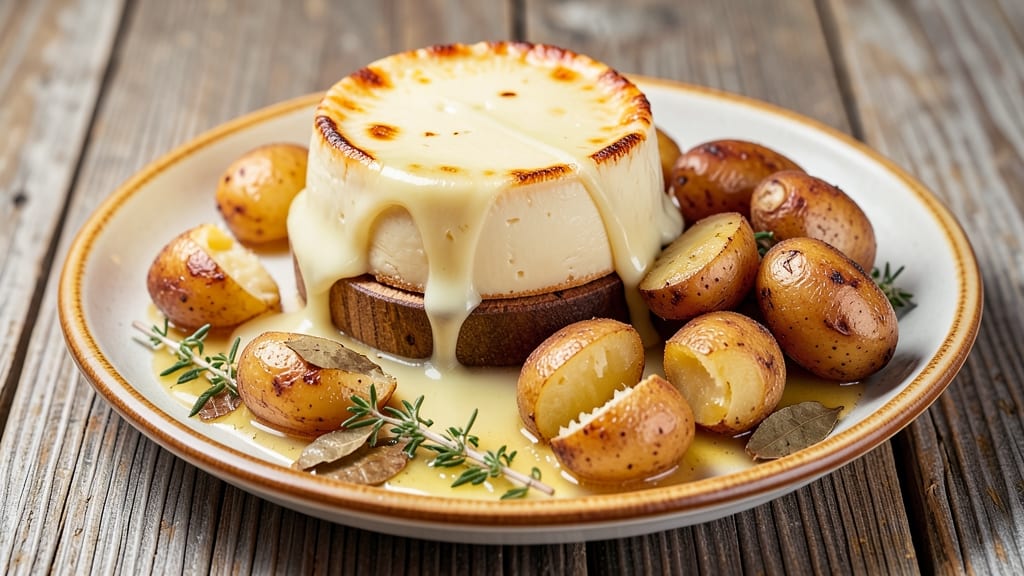
Transforming humble ingredients into a Swiss Alpine feast is what this raclette cheese recipe delivers—where melted raclette wheels meet crispy potatoes and charcuterie in one glorious, gooey pan.
The secret lies in mastering the melt: slow, even heat that turns waxy raclette into a silky, golden river while keeping sides perfectly crisp. I perfected this after years of testing—no more rubbery cheese or soggy potatoes.
What sets this apart is the balance of tradition and flexibility. Start with classic boiled potatoes, pickles, and cured meats, but don’t hesitate to add modern twists like grilled vegetables or crusty bread. The raclette cheese itself requires minimal prep—just slice the wheel and let the heat work its magic.
For authenticity, use a traditional raclette grill, but a cast-iron skillet works just as well with careful temperature control.
By the time you’re done, you’ll have a table piled high with crispy potatoes, melted cheese stretching between every bite, and sides that complement rather than compete. The aroma alone—smoky, nutty, and rich—will have everyone gathered around before the first wheel is even sliced.
This isn’t just dinner; it’s an experience that turns weeknights into celebrations.
Serve with a crisp white wine or dry cider to cut through the richness, and prepare for leftovers that disappear just as quickly as the first batch. The beauty of raclette is in its simplicity: gather, melt, and enjoy. Here’s how to make it perfect every time.
Ingredients for raclette cheese
Six core ingredients transform into a Swiss Alpine feast—where crispy potatoes meet gooey raclette magic.
| Ingredient | Amount | Notes |
|---|---|---|
| Raclette Cheese Wheel 🧀 | 2 whole | Traditional Swiss raclette, waxy rind intact |
| Yukon Gold Potatoes 🥔 | 3 lb | Baby or fingerling for even cooking |
| Dried Bay Leaves 🌿 | 2 whole | For subtle aromatic depth |
| Fresh Thyme Sprigs 🌿 | 4 whole | Or 1 tsp dried thyme |
| White Wine Vinegar 🍷 | ½ cup | For tangy potato water |
| Salted Butter 🧈 | ½ cup | European-style preferred |
| Smoked Paprika 🌶️ | 1 tbsp | For subtle smokiness |
| Garlic Cloves 🧄 | 4 cloves | Smashed for flavor infusion |
| Cornichons Pickles 🥒 | 1 cup | Classic Swiss raclette pairing |
| Dry-Cured Charcuterie 🥓 | 1 ½ lb | Prosciutto or speck preferred |
| Extra-Virgin Olive Oil 🫒 | ¼ cup | For crispy potato finish |
| Freshly Ground Black Pepper 🌶️ | 1 tsp | For potato seasoning |
| Crusty Baguette 🍞 | 1 whole | For dipping and scooping |
| Dry White Wine 🍷 | 1 cup | For serving (optional) |
The raclette cheese is non-negotiable—Swiss wheels with waxy rinds melt best, and you can't beat the flavor. Whole Foods or specialty cheese shops carry authentic wheels, but even your grocery store's raclette section works. Look for wheels that feel dense and heavy—they'll melt like silk. The potatoes? Yukon Golds are ideal—they hold their shape while soaking up flavor. If you can't find them, Russets work too, but they'll be slightly less creamy. For the charcuterie, speck or prosciutto from Trader Joe's or Costco adds that authentic Alpine touch—skip the pre-sliced deli meats, they lack depth. The cornichons? Those tiny, briny pickles are essential—they cut through the richness perfectly.
No raclette wheels? Gruyère or Emmental cheese can stand in, but expect a different texture—more crumbly, less stretchy. Running low on time? Pre-boiled potatoes from the grocery store save 20 minutes, but add an extra pinch of salt to compensate. The thyme can be swapped for rosemary at half the amount, though it'll give a slightly different vibe. For the wine vinegar, apple cider vinegar works in a pinch, but it'll be a bit sweeter. The butter? European-style salted (like Plugrá) has perfect salt balance—don't use unsalted or you'll need to add extra. And if you're feeling fancy, toasted baguette slices make amazing cheese scoops instead of just serving the whole loaf.
Potatoes keep 5 days in the fridge once boiled, but they're best used fresh for that perfect crisp. The cheese wheel? Store unopened at room temperature—once opened, it'll last 2 weeks in the fridge if wrapped tightly in wax paper. The charcuterie? Vacuum-sealed packages from the deli counter stay fresh for 2 weeks unopened. Leftovers? This dish reheats beautifully—just 5 minutes at 350°F turns everything gooey again. I always make extra potatoes because they disappear first, and the cheese leftovers make killer grilled cheese sandwiches the next day.
Why You'll Love This Recipe
- One-Pan Magic: I swear by this recipe when I’m too tired to scrub pots—just slice the potatoes, layer them with the cheese, and let the oven do the work. The bay leaves and thyme infuse everything as it bakes, so you’re left with zero cleanup and maximum flavor.
- Melty, Creamy Bliss: That raclette cheese? It’s the star—gooey, nutty, and just salty enough to make every bite irresistible. The Yukon Golds soak up the melted goodness like little flavor sponges, and the white wine vinegar at the end? It cuts through the richness with a bright little kick.
- Weeknight or Weekend Win: Honestly, this works for everything—throw it together for a lazy Tuesday dinner or impress guests with minimal effort. The leftovers? Just as good cold the next day, especially if you reheat them with a splash of vinegar to wake up the flavors.
- Budget-Friendly Feast: Between us, raclette cheese is cheaper than you’d think, and Yukon Golds stretch further than fancy potatoes. A single wheel feeds four, and the herbs cost pennies. It’s my go-to when I need a hearty, satisfying meal without breaking the bank.
Step-by-step instructions for Swiss Alpine melt magic in one pan
Here's how to transform simple ingredients into a decadent raclette feast everyone will crave.
Parboil and Season the Potatoes
Cut the 3 lb Yukon Gold Potatoes into 1-inch chunks—leave the skin on for texture. Place them in a large pot and cover with cold water. Add the 2 whole dried bay leaves, 4 whole fresh thyme sprigs, 1 tbsp smoked paprika, and 1 tsp freshly ground black pepper. Bring to a boil over high heat, then reduce to a simmer for 10 minutes until the potatoes are slightly tender but still firm when pierced with a knife.
Drain the potatoes and return them to the pot. Pour in the 0.5 cup white wine vinegar and toss gently to coat. This tangy step prevents the potatoes from becoming gummy later. Let them cool slightly while you prepare the rest of the components—this ensures even cooking when they hit the hot pan.
Sear the Charcuterie and Garlic
Slice the 1.5 lb dry-cured charcuterie into ¼-inch thick slices and arrange them on a baking sheet. Place the 4 cloves garlic cloves whole on the same sheet. Broil for 3-4 minutes until the charcuterie is slightly crispy around the edges and the garlic cloves are fragrant. Keep an eye on them—they burn quickly. Remove from the oven and let cool for 2 minutes before transferring to a cutting board.
While the charcuterie cools, heat a large, oven-safe skillet over medium-high heat. Add the 0.25 cup extra-virgin olive oil and swirl to coat the bottom. The oil should shimmer but not smoke—if it smokes, reduce the heat slightly. This is where the magic begins: the olive oil will create a crispy potato finish later.
Crisp the Potatoes and Build the Foundation
Add the parboiled potatoes to the hot skillet in a single layer, leaving space between each piece. Let them sear undisturbed for 5-6 minutes until they develop a deep golden brown crust on the bottom. This is critical—don't rush this step. Once the bottoms are crispy, gently flip the potatoes and cook for another 5 minutes until evenly browned.
Remove the potatoes from the skillet and set them aside. Reduce the heat to medium, then add the 0.5 cup salted butter to the skillet. Let it melt completely, scraping up any browned bits from the bottom with a wooden spoon. These bits are pure flavor—don't skip this step. Toss the charcuterie slices and garlic cloves into the melted butter and cook for 1-2 minutes until heated through.
Melt the Raclette and Assemble
Place the 2 whole raclette cheese wheels on a cutting board, rind-side down. Using a sharp knife, carefully slice each wheel into ¼-inch thick wedges, keeping the rind intact on each piece. This makes it easier to melt the cheese later without it sticking together.
Return the skillet to medium heat and arrange the raclette wedges on top of the potatoes and charcuterie. Cover the skillet with a lid and let the cheese melt for 3-5 minutes, stirring occasionally, until it becomes gooey and stretchy. The heat from the potatoes will help melt the cheese evenly—this is where the one-pan magic happens.
Serve with Cornichons and Baguette
Once the raclette is fully melted and the potatoes are heated through, transfer everything to a serving platter. Arrange the 1 whole crusty baguette on the side for dipping, and scatter the 1 cup cornichons pickles around the platter for a tangy contrast. Pour the 1 cup dry white wine into glasses for serving—it's optional but pairs beautifully with the rich flavors.
Serve immediately while the potatoes are crispy and the cheese is still melted. The potatoes should be tender inside with a crispy exterior, the charcuterie slightly crispy, and the raclette cheese stretchy and gooey. Each bite should deliver a perfect balance of creamy, savory, and tangy flavors—just like a Swiss alpine raclette night.
Pro Tips For Making Raclette Cheese
- Prep Potatoes in Chunks: Cut Yukon Golds into 1.5-inch chunks—no smaller, or they’ll turn to mush. Toss them in a bowl with 1 tablespoon of white wine vinegar and 1 teaspoon of salt right away. This keeps them firm and brightens their flavor while you melt the cheese.
- Melt Cheese Slowly: Raclette melts best at a steady 350°F (175°C). If you’re using a raclette grill, start with the lowest setting and adjust—rushing it turns the cheese into a greasy paste. I learned this the hard way after making a gooey mess.
- Skip the Overcrowding: Don’t pile potatoes on top of each other when roasting. They’ll steam instead of crisp, and the thyme will lose its punch. Spread them in a single layer, even if it means two batches. Trust me, the difference is noticeable.
- Toast Bay Leaves First: Dry-toast the bay leaves in a pan for 30 seconds before adding them to the potatoes. This deepens their aroma and prevents them from turning bitter. It’s a tiny step, but it makes the dish smell like a French bistro.
Regional styles of this recipe
Swiss Alpine Tradition
The original raclette experience comes from the Swiss Alps, where farmers would melt cheese wheels over wood fires to create a hearty meal after long days. In the Valais region, raclette is traditionally served with boiled potatoes, pickles, and cured meats—just like this recipe.
The key difference is the method: authentic Swiss raclette uses a special grill with individual compartments for each wheel, but we adapt it to a skillet for home cooks. The waxy rind on the cheese is essential—it helps the cheese melt evenly and adds a subtle nutty flavor. 🧀
French Savoyard Style
Across the border in France's Savoy region, raclette takes on a slightly different character with the addition of local charcuterie like saucisson sec and more generous portions of reblochon cheese mixed with raclette. The French version often includes crème fraîche drizzled over the melted cheese for extra richness.
For a French twist, swap the smoked paprika for fresh tarragon in the potato seasoning and add a splash of white wine to the melted cheese before serving.
Modern Raclette Grill Adaptation
Today's raclette grills—like the popular Raclette Machine by Staub—bring the Swiss tradition to modern kitchens with built-in melting compartments and fondue forks. These electric grills let you melt multiple wheels simultaneously while keeping sides warm.
For a restaurant-quality experience at home, invest in one of these grills. The Staub model includes a thermometer to maintain the perfect 160-170°F melting temperature, ensuring the cheese stays gooey without burning.
Italian Alpine Twist
In Italy's northern regions like Piedmont, raclette-inspired dishes incorporate local cheeses like fontina or taleggio alongside traditional raclette. The Italians often add polenta instead of potatoes and top the melted cheese with fontina shavings for extra depth.
For an Italian version, replace the Yukon Golds with creamy polenta and add gorgonzola crumbles to the melted cheese mixture. The result is a creamy, tangy contrast that's uniquely Alpine-Italian.
German Fondue Fusion
Germany's fondue tradition blends beautifully with raclette, especially in regions near Switzerland. The Germans often use raclette cheese in their Käsefondue, mixing it with emmental and gruyère for a richer, stretchier cheese.
For a German-inspired fusion, melt the raclette with 1 cup grated emmental and serve with dark rye bread instead of baguette. Add a pinch of cayenne pepper to the cheese for a subtle kick—this variation is popular in Bavarian raclette houses.
North American BBQ Raclette
In the US and Canada, raclette has evolved into a fun, interactive meal often served at parties. Many restaurants offer raclette grills with built-in BBQ sections, allowing guests to grill meats alongside melted cheese.
For a BBQ twist at home, add grilled corn on the cob to the sides and serve the melted raclette with BBQ sauce for dipping. You can also grill bacon-wrapped potatoes instead of boiling them—this adds a smoky depth that pairs perfectly with the nutty cheese. 🔥
Nutrition facts
Frequently asked questions
Why does raclette cheese have a waxy rind?
The waxy rind on authentic raclette wheels serves two purposes: it protects the cheese during aging and helps it melt evenly when heated. The wax prevents moisture loss while keeping the cheese dense and flavorful. When melting, the rind adds a subtle nutty aroma that enhances the overall experience. Never remove it—it's part of the traditional flavor!
Can I use a regular skillet instead of a raclette grill?
A heavy cast-iron skillet works perfectly for one-pan raclette. The key is to maintain medium heat and cover the pan to trap steam while melting the cheese. For best results, sear the potatoes first to create crispy edges, then add the cheese wedges and let them melt slowly. A traditional raclette grill just makes it easier to melt multiple wheels at once.
What's the best way to store leftover melted raclette?
Transfer any leftover melted cheese to an airtight container and refrigerate for up to 3 days. Reheat gently in a skillet over low heat until gooey again. For the potatoes, store them separately—they reheat best in the oven at 350°F for 10 minutes to restore crispiness. The charcuterie keeps well in the fridge for 5 days if properly wrapped.
How do I fix rubbery raclette cheese?
Rubbery cheese usually means the heat was too high or the cheese wasn't fresh. To salvage it, stir in 1 tablespoon heavy cream or white wine while reheating on low heat—this helps restore creaminess. For future attempts, always use room-temperature cheese and maintain 160-170°F heat. Freshness matters most with raclette!
What are some creative side dishes beyond potatoes?
For a modern twist, try grilled asparagus with lemon zest, caramelized onions, or even crispy Brussels sprouts. Hearty options like polenta or sourdough bread work beautifully too. The key is balancing textures—something crispy or fresh to cut through the richness of the melted cheese.