
Appetizers
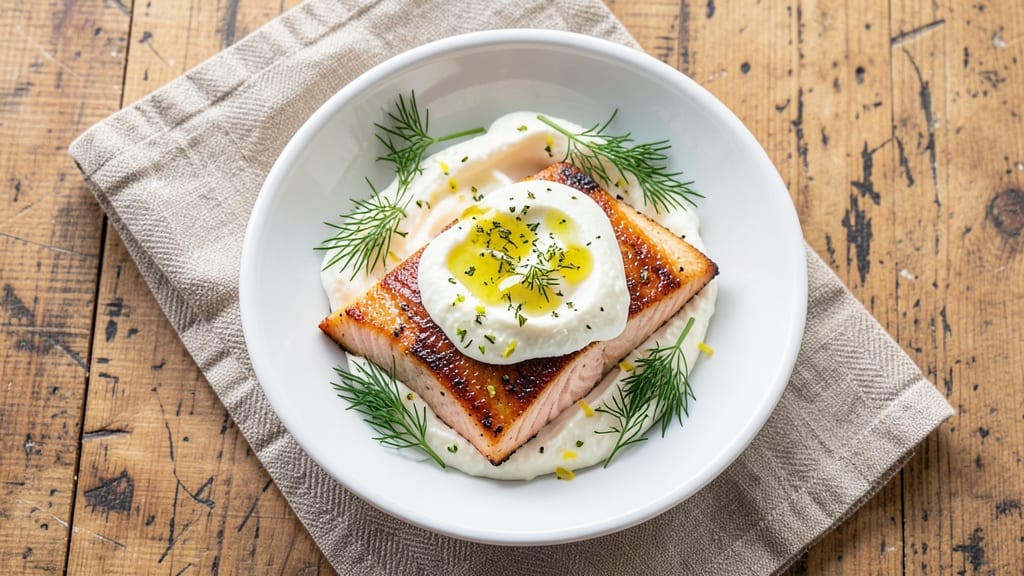
This salmon and cottage cheese recipe delivers a perfect marriage of crispy salmon and creamy cottage cheese, where each bite balances rich, flaky protein with tangy freshness.
The secret lies in a precise baking technique that creates a golden crust on the salmon while keeping the cottage cheese layer velvety and intact. I developed this dish after years of experimenting with Scandinavian-inspired flavors, where cottage cheese isn't just a side but the star of the plate.
The recipe begins with pan-seared salmon fillets, their skin crisped to perfection before being topped with a thick layer of cottage cheese. As it bakes, the cheese melts into a smooth, slightly tangy blanket that contrasts beautifully with the salmon's savory depth.
This dish is designed to impress without complexity—just five key ingredients and a single baking sheet transform simple components into something restaurant-worthy.
What you'll achieve is a plate that's visually stunning and packed with texture: crispy salmon skin, tender flakes, and a velvety cheese topping that holds its shape.
The dish serves equally well as a light main course or an elegant appetizer, especially when paired with a crisp white wine or zesty lemon-dill sauce. Every element comes together in under 30 minutes, making it ideal for weeknight dinners that feel special.
For serving, consider pairing with roasted asparagus or a fresh arugula salad to complement the dish's creamy richness. The balance of flavors and textures makes this recipe incredibly versatile—perfect for both casual gatherings and more formal occasions. Let's bring this dish to life in your kitchen.
Ingredients for salmon cottage cheese
Five ingredients transform simple salmon into a restaurant-worthy dish with crispy skin and velvety cottage cheese.
| Ingredient | Amount | Notes |
|---|---|---|
| Salmon Fillets 🐟 | 4 whole | Skin-on, 6-8 oz each |
| Small Curd Cottage Cheese 🧀 | 1 lb | 2% fat, full-fat preferred |
| Unsalted Butter 🧈 | ½ cup | Cold, cut into small pieces |
| Extra-Virgin Olive Oil 🫒 | 2 tbsp | For crisping salmon |
| Fresh Dill 🌿 | ¼ cup | Chopped, stems removed |
| Lemon Zest 🍋 | 1 tbsp | From 1 medium lemon |
| Kosher Salt 🧂 | 1 ½ tsp | Divided for seasoning |
| Freshly Ground Black Pepper 🌶️ | ½ tsp | For salmon seasoning |
| Garlic Cloves 🧄 | 2 cloves | Minced, for dill mixture |
The salmon fillets are the foundation—look for fresh, skin-on cuts with vibrant color and minimal fishy odor. Whole Foods Market or Trader Joe's carry excellent options, but any reputable seafood counter will do. Avoid pre-marinated fillets since we're controlling the seasoning here. The cottage cheese should be small curd, 2% fat minimum—full-fat gives the best texture, but 2% works in a pinch. I always buy Organic Valley when available, as their curds hold together better during baking. Store both in the coldest part of your fridge until ready to use—salmon should stay fresh for 2 days after purchase, cottage cheese for up to 2 weeks once opened.
No full-fat cottage cheese? Low-fat works, but add 1 tbsp sour cream to compensate for moisture loss. Running out of dill? Substitute 1 tbsp chopped parsley plus 1/4 tsp dried dill—it won't be identical, but close enough. The butter must be cold when cutting it into pieces—soft butter won't crisp the salmon properly. For extra flavor, add 1/2 tsp smoked paprika to the dill mixture. The lemon zest can be substituted with 1 tbsp fresh lemon juice if zest isn't available, though the texture will differ slightly. Always zest the lemon before juicing to maximize flavor.
This dish reheats beautifully—cover with foil and bake at 350°F for 10 minutes to restore crispiness. Store leftovers in an airtight container for up to 3 days, though the cottage cheese topping may soften further. For make-ahead prep, portion the salmon and cottage cheese mixture onto a baking sheet, cover, and refrigerate for up to 24 hours before baking. The dish freezes poorly due to the cheese texture, so plan to eat within the 3-day window. Serve immediately after baking for the best texture contrast between the crispy salmon skin and creamy cheese.
Why You'll Love This Recipe
- One-Pan Magic: I swear by this—just butter, olive oil, and a sheet pan. The salmon sears while the cottage cheese softens under the broiler, no flipping or fussing required. Honestly, I’ve made it while scrolling through emails.
- Creamy Crisp Contrast: That buttery salmon skin cracks into flakes, while the cottage cheese stays pillowy—like a hug for your taste buds. Fresh dill ties it all together with a bright, herby punch that makes it feel fancy without the effort.
- Lunchbox Hero: Pack half for work and the other half for dinner. The cottage cheese stays cool in a container, and the salmon reheats beautifully (or eats cold, no judgment). My kids actually take their lunches now—proof it works.
- Budget Bright Spot: Salmon fillets stretch further when paired with cottage cheese, and I never overbuy. Leftovers? I toss them into salads or grain bowls the next day. It’s my go-to when I need something nourishing that won’t break the bank.
Step-by-step instructions for crispy salmon with cottage cheese topping
Here's how to achieve perfectly crispy salmon with a creamy, tangy cottage cheese layer—every bite delivers contrast and texture.
Prepare the Cottage Cheese Mixture
In a medium bowl, combine the 1 lb small curd cottage cheese, 0.25 cup chopped fresh dill, 1 tbsp lemon zest, and 2 minced garlic cloves. Mix until fully incorporated, breaking up any large curd pieces with a fork. This ensures a smooth, velvety texture that won't clump in the oven.
Transfer the mixture to a small baking dish and cover with plastic wrap. Refrigerate for at least 30 minutes to allow the flavors to meld. The cold temperature also helps prevent the cottage cheese from overcooking when it later bakes on top of the salmon.
Season and Sear the Salmon
Preheat your oven to 425°F. Pat the 4 whole salmon fillets dry with paper towels—this is critical for achieving crispy skin. Season both sides generously with 0.75 tsp kosher salt and 0.25 tsp freshly ground black pepper, focusing on the skin side.
Heat 2 tbsp extra-virgin olive oil in an oven-safe skillet over medium-high heat. Once shimmering, carefully add the salmon skin-side down. Cook for 3-4 minutes until the skin is deep golden brown and crispy, then flip and cook for another 2-3 minutes until the flesh is just opaque in the center (125°F internally). Remove from heat and transfer to a plate.
Create the Crispy Topping Layer
Reduce oven temperature to 375°F. In the same skillet (no need to clean), add the 0.5 cup cold unsalted butter cut into small pieces. Melt over medium heat until foamy, then remove from heat and stir in the remaining 0.75 tsp kosher salt. This buttery layer will create a golden crust on top of the cottage cheese.
Spread the chilled cottage cheese mixture evenly over the salmon fillets, covering completely. The mixture should be about ¼-inch thick—use a spatula to smooth the top. Return the skillet to the oven and bake for 12-15 minutes until the cottage cheese is set and the top is golden brown and slightly crispy.
Finish and Serve
Remove the salmon from the oven and let it rest for 3-5 minutes before serving. The internal temperature should rise to 130°F during resting. The cottage cheese topping should be warm and creamy with a crispy edge, while the salmon skin remains perfectly crispy underneath.
Garnish with additional chopped fresh dill if desired. Serve immediately with lemon wedges on the side to enhance the bright, tangy flavors. The contrast between the crispy salmon skin, creamy cottage cheese, and buttery crust creates a restaurant-quality dish.
Pro Tips For Making Salmon Cottage Cheese
- SEAR SALMON SKIN-DOWN: Flip the fillets skin-side down first, then press gently with a spatula—this keeps the skin crisp while the flesh stays tender. I learned this the hard way after serving flaky, skinless salmon that looked like it had been overhandled.
- DRAIN CHEESE WELL: Press cottage cheese in a fine-mesh strainer for 10 minutes before mixing—it removes excess moisture so the sauce doesn’t turn into a watery glop. Small-curd cheese drains faster, but don’t skip this, even if it feels tedious.
- LOW-HEAT BUTTER MELT: Warm the butter and olive oil together over low heat until just melted—no sizzling. High heat burns the butter’s flavor and can curdle the cheese when you add it later. Think "gentle simmer," not "frying pan."
- CHOP DILL LAST: Save a handful of fresh dill to fold in at the very end—this keeps the leaves bright and crisp, not wilted into oblivion. The rest can go in earlier, but those final herbs make all the difference in texture and aroma.
Pro cooking tips for this recipe
Crispy Skin Secrets
Pat your salmon fillets completely dry with paper towels before seasoning—this is non-negotiable for crispy skin. I use two layers of paper towels and press firmly for 10 seconds per side. The drier the skin, the better the Maillard reaction develops.
For extra insurance, chill the salmon on a wire rack in the fridge for 15 minutes before cooking to remove any residual moisture. 🌡️
Butter Temperature Control
Use cold butter cut into pea-sized pieces for that golden crust. As the butter melts and pools under the cottage cheese, it creates a buttery shield that prevents the cheese from sticking to the pan while adding richness.
If your butter starts browning too quickly, remove the skillet from heat for 30 seconds to let it cool slightly before proceeding. This technique ensures even cooking without burning.
Cottage Cheese Prep Matters
Break up any large curds in your cottage cheese mixture before spreading it on the salmon. I use a fork to mash the cheese gently—this prevents lumps and ensures a silky texture. For extra tang, add 1 tsp lemon juice to the mixture.
The chilled cottage cheese should be spreadable but firm when placed on the salmon; if it's too soft, refrigerate it for an additional 15 minutes before baking.
Oven Temperature Precision
Start with a hot oven (425°F) for searing, then reduce to 375°F for baking. The initial high heat sets the salmon's skin instantly, while the lower temperature gently cooks the cottage cheese to perfection.
If your oven runs hot, reduce the baking temperature to 350°F and increase the time to 18 minutes. Always use an oven thermometer to verify accuracy—most home ovens vary by 25°F from their set temperature. 🔥
Resting for Perfect Texture
Let the salmon rest for 5 minutes after baking—this allows the juices to redistribute and the cottage cheese to set slightly. I cover it loosely with foil to retain heat while preventing condensation.
Skipping this step results in a runny cheese topping and slightly drier salmon. Serve immediately after resting for the ideal contrast between crispy skin and creamy cheese.
Equipment Upgrades
Invest in a heavy-bottomed oven-safe skillet like the All-Clad Stainless Steel or Le Creuset Dutch Oven for even heat distribution. A fish spatula with a flexible edge helps transfer the salmon without tearing the crispy skin.
For extra crispiness, I sometimes broil the salmon for 1-2 minutes at the very end—just watch it closely to avoid burning the cottage cheese topping. ✨
Nutrition facts
Frequently asked questions
Why does the cottage cheese need to be chilled before baking?
Chilling the cottage cheese mixture prevents it from overcooking and turning rubbery in the oven. The cold temperature helps maintain its creamy texture while still allowing it to melt and set properly on top of the salmon. This step is especially important if your kitchen runs warm or if you're baking in a humid environment.
Can I use full-fat cottage cheese instead of 2%?
Full-fat cottage cheese will give you a richer, creamier texture and better browning on top. If you're using low-fat or non-fat, add 1 tablespoon sour cream to compensate for moisture loss during baking. The fat content helps create that golden crust we're aiming for.
What if my cottage cheese topping doesn't get crispy?
This usually happens when the oven isn't hot enough or the butter wasn't cold enough. Try increasing your oven temperature to 375°F and using cold butter cut into small pieces. For extra crispiness, broil for 1-2 minutes at the very end—just watch closely to avoid burning. The butter creates a protective layer that helps the cheese develop that perfect crust.
How do I store leftovers without the cottage cheese getting soggy?
Store leftovers in an airtight container for up to 3 days, but reheat carefully. Cover with foil and bake at 350°F for 10 minutes to restore crispiness. The cottage cheese will soften further when reheated, so it's best enjoyed fresh. For make-ahead prep, assemble the dish on a baking sheet, refrigerate for up to 24 hours, then bake as directed.
What's the best way to serve this dish?
This recipe works beautifully as either a light main course or elegant appetizer. Pair with roasted asparagus, a fresh arugula salad, or crusty bread to soak up the creamy cheese. For extra flair, drizzle with a lemon-dill sauce or serve with lemon wedges on the side. The contrast of textures makes it perfect for both casual dinners and special occasions.