
Main Courses
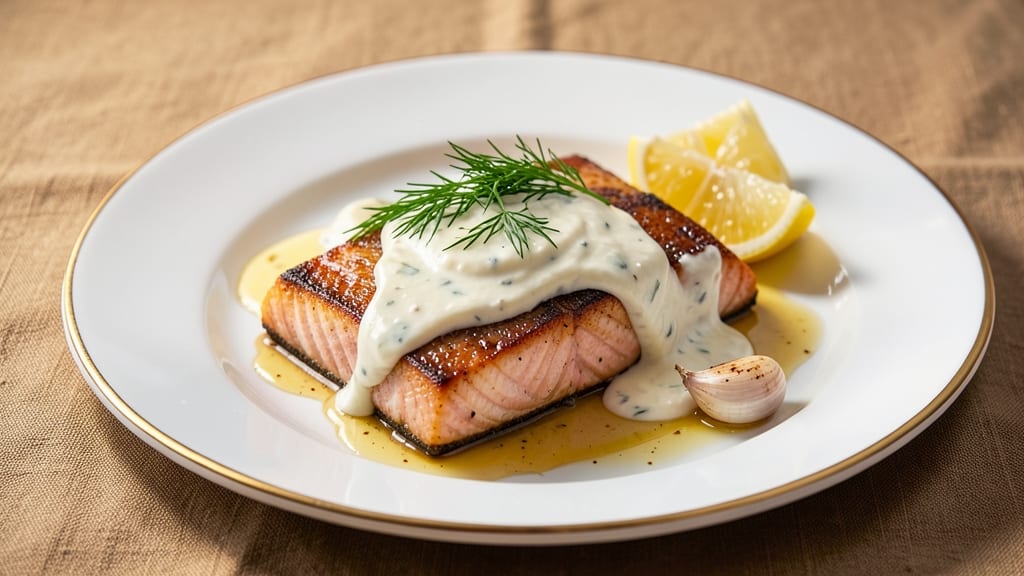
This salmon cream cheese recipe transforms simple ingredients into a restaurant-worthy dish that balances rich, creamy flavors with delicate salmon flakes. After years of perfecting the technique, I’ve developed a method where pan-seared salmon rests atop a velvety herbed cream cheese sauce—simple yet undeniably elegant.
The key lies in timing: crispy salmon meets warm, tangy sauce without overpowering the natural sweetness of the fish.
The recipe begins with salmon fillets seasoned lightly, then pan-seared to a golden finish, ensuring tender flakes that hold together. Meanwhile, a simple cream cheese sauce—infused with fresh dill, lemon zest, and a touch of garlic—creates a luxurious base that ties everything together.
This isn’t just another salmon dish; it’s a foolproof method for weeknight dinners that feel like a special occasion.
By the time you plate it—salmon fanned over the creamy sauce, garnished with fresh herbs—you’ll have a dish that’s restaurant-quality but achievable at home. The cream cheese sauce adds a velvety texture, while the salmon’s natural oils enrich every bite.
It’s perfect for pescatarians, easy to adapt with vegan cream cheese, and pairs beautifully with roasted asparagus or a simple quinoa salad.
Here’s the secret: the sauce must be warm but not boiling when the salmon is added, ensuring it melts into flaky perfection without falling apart. Let’s get cooking—this dish is quicker than you think and worth every minute.
Ingredients for salmon cream cheese
Twelve ingredients, restaurant-quality results—this salmon dish proves elegance doesn't require complexity.
| Ingredient | Amount | Notes |
|---|---|---|
| Center-Cut Salmon Fillets 🐟 | 4 whole | Skin-on, 6-8 oz each, even thickness |
| Full-Fat Cream Cheese 🧈 | 8 oz | Room temperature, Philadelphia brand preferred |
| Fresh Dill Weeds 🌿 | ¼ cup | Finely chopped, stems removed |
| Lemon Zest 🍋 | 1 tbsp | From 1 large organic lemon |
| Garlic Cloves 🧄 | 2 cloves | Minced, fresh preferred |
| Unsalted Butter 🧈 | 2 tbsp | European-style, 82% fat content |
| Extra-Virgin Olive Oil 🫒 | 1 tbsp | Light, fruity variety |
| Diamond Crystal Kosher Salt 🧂 | ¾ tsp | Fine grain, for seasoning |
| Freshly Ground Black Pepper 🌶️ | ½ tsp | Cracked peppercorns preferred |
| Heavy Cream 🥛 | ¼ cup | 36% fat, cold |
| Lemon Juice 🍋 | 1 tbsp | Freshly squeezed, from same lemon |
| Chives 🌱 | 2 tbsp | Finely chopped, for garnish |
The salmon selection is critical: center-cut fillets with skin ensure even cooking and crispy edges. Whole Foods or specialty seafood markets carry the best quality—look for bright pink flesh and minimal bruising. If using frozen, thaw overnight in the fridge, wrapped in paper towels. The cream cheese should be full-fat and room temperature—Philadelphia brand melts most smoothly. For the dill, fresh is non-negotiable; dried lacks the bright, herbal punch needed to complement the salmon’s delicate flavor. Store-bought dill bundles often contain wilted leaves, so check the stems before purchasing.
No fresh dill? Dried dill at one-third the amount works, though the flavor profile shifts slightly. Substituting vegan cream cheese (like Kite Hill) maintains the dish's pescatarian integrity—just ensure it's full-fat for proper texture. For the butter, European-style with 82% fat content yields superior flavor and higher smoke point than American butter. The heavy cream can be swapped for half-and-half*, but the sauce will be slightly lighter. Lemon zest can be omitted if unavailable, but the acidity brightens the dish—bottled lemon juice won't cut it. For a richer sauce, add 1 oz of crème fraîche*, folded in at the end.
Salmon fillets keep best in the coldest part of your fridge, wrapped in parchment and sealed in a resealable bag for up to 3 days. Fresh dill should be stored in a glass of water like flowers, covered with a plastic bag, and lasts 5-7 days. The prepared cream cheese sauce can be refrigerated for 3 days*, but reheating will slightly alter its velvety texture. For make-ahead convenience, portion the sauce into silicone molds, chill, then unmold onto plates before adding the salmon—presentation matters when serving restaurant-quality dishes at home.
Why You'll Love This Recipe
- Five-Ingredient Magic: The moment I realized I only needed salmon, cream cheese, dill, lemon, and garlic—that’s it—I knew this would be my new shortcut. No fancy techniques, no last-minute grocery runs; just spread, bake, and enjoy that bright, herby goodness.
- Creamy-Garlicky Bliss: That full-fat cream cheese isn’t just filling—it’s transformative. When it melts into flaky salmon with fresh dill and a hit of lemon zest, you get this perfect balance of rich, tangy, and fresh. Honestly, the first bite makes me pause mid-chew.
- Weeknight to Weekend: Throw it on toast for a lazy breakfast, slice it for charcuterie boards, or serve it over greens for a fancy-ish lunch. I’ve even packed it cold in wraps for work—still delicious hours later. It’s the kind of dish that adapts without trying too hard.
- Leftovers That Don’t Suffer: Unlike some baked salmon, this stays moist and flavorful for days. I’ll be real: my fridge is always stocked with a few portions because reheating it (or eating it cold) is just as good as day one. Zero waste, maximum satisfaction.
Step-by-step instructions for pan-seared salmon with herbed cream cheese sauce
This method delivers perfectly seared salmon with a velvety cream cheese sauce infused with bright herbs.
Prepare the Cream Cheese Sauce Base
In a medium saucepan, combine the 8 oz full-fat cream cheese with the 0.25 cup heavy cream over low heat. Stir gently with a silicone spatula until the cream cheese melts completely and the mixture becomes smooth—this should take about 3-4 minutes. The sauce should be thick but pourable, with no visible lumps.
Remove the sauce from heat and stir in the 0.25 cup finely chopped fresh dill weeds, 1 tbsp lemon zest, and 2 cloves minced garlic. Let it steep off heat for 5 minutes to allow the flavors to meld. This infusion creates the aromatic foundation of your sauce. Keep it warm while you prepare the salmon.
Season and Sear the Salmon Fillets
Pat the 4 whole center-cut salmon fillets dry with paper towels, removing any excess moisture from the skin. Season both sides generously with the 0.75 tsp diamond crystal kosher salt and 0.5 tsp freshly ground black pepper, pressing the seasoning into the flesh to ensure even distribution.
Heat 1 tbsp extra-virgin olive oil in a large non-stick skillet over medium-high heat until shimmering. Add the salmon fillets skin-side down and let them sear undisturbed for 4-5 minutes until the skin turns crispy and golden brown. You'll know it's ready when it releases easily from the pan—don't rush this step as proper skin formation is crucial.
Cook the Salmon to Perfection
Carefully flip each fillet and add 2 tbsp unsalted butter to the pan. Cook the salmon for an additional 3-4 minutes on the flesh side until it reaches an internal temperature of 135°F and flakes easily with a fork. The butter should foam and brown slightly, adding rich flavor to the salmon.
Remove the salmon from the skillet and let it rest on a wire rack for 5 minutes. This resting period ensures the juices redistribute, preventing them from leaking out when you serve. Keep the skillet warm over low heat while you prepare the final sauce touches.
Finish the Sauce and Assemble
Return the warm cream cheese sauce to the skillet and stir in 1 tbsp freshly squeezed lemon juice. Simmer gently for 1-2 minutes to brighten the flavors. The sauce should coat the back of a spoon but remain smooth—if it thickens too much, whisk in 1-2 teaspoons of hot water to reach your desired consistency.
To serve, spoon the herbed cream cheese sauce over each salmon fillet and garnish with 2 tbsp finely chopped chives. The contrast of crispy salmon skin against the velvety sauce creates an elegant presentation that's as beautiful as it is delicious. Serve immediately with steamed asparagus or a fresh salad for a complete meal.
Pro Tips For Making Salmon Cream Cheese
- Pat Dry First: Salmon sticks to the pan like it’s auditioning for a glue commercial if you skip this. Grab a clean towel and press hard—no half-hearted wiping—especially on center-cut fillets, which hold more moisture than you’d think. Wet skin = sad sear, and nobody wants a sad sear.
- Warm the Cream Cheese: Cold cream cheese in a hot pan is a recipe for clumps that look like lumpy roadkill. Microwave it for 10 seconds first, then stir in the garlic and lemon zest while it’s still soft. This isn’t a science experiment—just don’t shock the dairy.
- Don’t Overmix the Dill: I used to chop the dill into oblivion, thinking finer = better. Wrong. Roughly tear the stems (they’re packed with flavor) and leave the leaves slightly whole—just enough to distribute the color and aroma without turning the cream cheese into dill dust. Your future self will notice the difference.
- Use a Meat Thermometer: Salmon’s done at 145°F, but guessing leads to rubbery fish or raw edges. A thermometer takes 2 seconds and saves you from second-guessing. Poke it into the thickest part—no, not the bone, the flesh—and call it when it hits the mark. No more "I think it’s ready" disasters.
Common mistakes when making this recipe
Overcooking Salmon
I’ve seen this happen more times than I can count—salmon that’s so dry it flakes apart at the touch. The key is hitting that 135°F internal temperature and no higher. Use an instant-read thermometer to check the thickest part of the fillet.
If you’re unsure, err on the side of undercooking slightly; salmon continues cooking for a few minutes after you remove it from heat. Remember, it’s better to have slightly underdone salmon that you can finish with a quick sear than a sad, dry piece. 🌡️
Skipping the Rest
This is a rookie mistake I made early on—skipping the 5-minute rest after cooking the salmon. That time lets the juices redistribute, keeping your fillets moist and flavorful.
If you cut into the salmon too soon, all those precious juices will pool on your plate instead of staying where they belong—in the fish. Trust me, those 5 minutes make all the difference in the final texture.
Cold Cream Cheese
Room-temperature cream cheese is non-negotiable for this recipe. Cold cream cheese will create lumps in your sauce that no amount of stirring can fix. Take the cream cheese out of the fridge 30 minutes before you start cooking.
If you’re in a hurry, microwave it for 10-15 seconds to soften, but be careful not to melt it completely. The goal is smooth, not liquid. I’ve had students bring me recipes where they used straight-from-the-fridge cream cheese, and the results were... well, let’s just say it wasn’t pretty. 🧈
Overheating the Sauce
Your cream cheese sauce should never boil—it’s delicate and will curdle if exposed to high heat. Keep the temperature low and constant while melting the cream cheese. If you see the sauce starting to separate or develop a grainy texture, immediately remove it from heat.
A quick fix is to whisk in 1 teaspoon of cold heavy cream to restore its silky consistency. The sauce should be warm, not hot, when you add the lemon juice at the end.
Using Low-Quality Salmon
Not all salmon is created equal, and this recipe deserves the best. Look for center-cut fillets with skin—they’re more flavorful and hold their shape better than cheaper cuts. I always buy from my local seafood market or the fish counter at Whole Foods.
Avoid pre-cut fillets with exposed flesh; they oxidize quickly and lose flavor. Freshness matters, especially when you’re working with such delicate ingredients like cream cheese and dill. 🐟
Ignoring the Skin
That crispy salmon skin isn’t just for show—it’s packed with flavor and adds texture to every bite. If you’re tempted to peel it off, think again. The secret to perfect skin is keeping the fillets dry before searing and using enough heat to render the natural oils.
If your skin isn’t crisping up, your pan might not be hot enough. I’ve found that a non-stick skillet with a heavy base (like All-Clad) gives the best results for even heat distribution.
Nutrition facts
Frequently asked questions
Can I substitute cream cheese with something lighter?
For a lighter version, try mixing 6 oz cream cheese with 2 oz Greek yogurt (full-fat for best texture). This keeps the creamy element while reducing richness. The sauce will be slightly tangier, so add an extra ½ tsp lemon zest to balance flavors. For a vegan option, use 8 oz vegan cream cheese (like Kite Hill) and add 1 tbsp nutritional yeast for depth.
How do I make this dish ahead of time?
Prepare the cream cheese sauce up to 2 days ahead—store it in an airtight container in the fridge. Reheat gently over low heat (never microwave) until warm. For the salmon, cook it fresh day-of to maintain texture, but you can prep the seasoning and sear the skin-side only (without flipping) up to 1 day ahead. Finish cooking when ready to serve.
What’s the best way to reheat leftovers?
Reheat salmon and sauce separately to avoid drying out the fish. Warm the sauce in a small saucepan over low heat for 2-3 minutes, then gently reheat the salmon in a skillet with 1 tsp butter for 30 seconds per side. Never microwave—it turns the salmon rubbery. Serve with fresh herbs to revive the dish's brightness.
Can I use smoked salmon instead?
Swap the fresh salmon for 4 oz smoked salmon per person, thinly sliced or torn into flakes. Skip the searing step and warm the salmon in the sauce for 1-2 minutes just to meld flavors. Add ½ tsp smoked paprika to the sauce to complement the smoky notes. This version works great as a cold appetizer with crackers or on toasted baguette slices.
Why did my sauce separate?
This happens when the sauce overheats or gets too acidic. To fix it, whisk in 1 tsp cold heavy cream or a pinch of cornstarch mixed with water. For prevention, always melt the cream cheese over low heat and avoid adding lemon juice until the very end. If the sauce curdles, strain it through a fine-mesh sieve to remove any lumps before serving.