Desserts
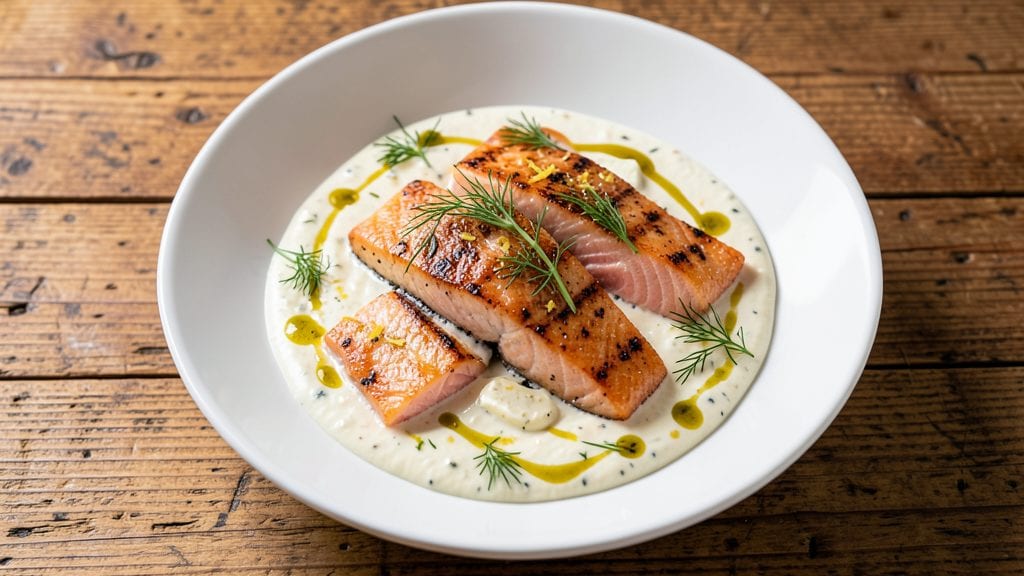
This salmon Philadelphia cream cheese recipe transforms a simple protein into an elegant, restaurant-worthy dish with a velvety herbed dill swirl that ties everything together. The secret lies in balancing perfectly seared salmon with a rich, tangy cream cheese sauce that's both luxurious and surprisingly easy to achieve.
I developed this recipe after years of experimenting with salmon preparations, and the cream cheese adds a depth of flavor that turns an ordinary dinner into something special.
The beauty of this dish is its versatility—whether you're serving it for a weeknight dinner or a weekend gathering, the technique remains the same. You'll start with pan-searing the salmon to achieve that coveted crispy exterior while keeping the inside tender and moist.
Then, the Philadelphia cream cheese transforms into a lusely sauce infused with fresh dill and a touch of lemon, creating a swirl that elevates every bite. The process is straightforward, but the results are anything but basic.
What you'll end up with is a plate that's as visually stunning as it is delicious—golden-brown salmon fillets resting on a bed of herbed cream cheese sauce, garnished with fresh dill and a squeeze of lemon.
The sauce is rich yet balanced, with just the right amount of tang to complement the salmon's natural flavor. This dish is perfect for impressing guests or treating yourself to a gourmet meal without the fuss.
The best part? This recipe scales effortlessly, so you can easily adjust the portions to feed a crowd or keep it intimate for two. Pair it with roasted asparagus or a simple green salad to round out the meal.
Let's get started on creating this showstopping dish that's sure to become a favorite.
Ingredients for salmon philadelphia cream cheese
Four elegant fillets and a few simple pantry staples transform into restaurant-worthy salmon with herbed cream cheese swirl.
| Ingredient | Amount | Notes |
|---|---|---|
| Fresh Atlantic Salmon Fillets 🐟 | 4 pieces | Skin-on, 6 oz each, center-cut |
| Philadelphia Cream Cheese 🧈 | 8 oz | Full-fat, room temperature |
| Fresh Dill Weeds 🌿 | ½ cup | Chopped, stems removed |
| Lemon Juice 🍋 | 2 tbsp | Freshly squeezed, seeds strained |
| Extra-Virgin Olive Oil 🫒 | 3 tbsp | Light, fruity variety |
| Unsalted Butter 🧈 | 2 tbsp | Cold, cubed for searing |
| Garlic Cloves 🧄 | 2 cloves | Minced, fresh preferred |
| Shallots 🧅 | 2 whole | Minced, or sub 2 tbsp onion |
| Heavy Whipping Cream 🥛 | ¼ cup | Cold for sauce |
| Kosher Salt 🧂 | 1 tsp | Plus extra for seasoning |
| Ground Black Pepper 🌶️ | ½ tsp | Freshly cracked |
| Lemon Zest 🍋 | 1 tsp | Fine, for garnish |
| Fresh Chives 🌿 | 2 tbsp | Chopped, for garnish |
The salmon is everything here. Look for center-cut fillets with the skin intact—it helps keep the fish together while searing. Whole Foods or your local fishmonger usually carry the best quality, but the frozen section at Trader Joe's has pre-portioned fillets that work perfectly. Avoid any with a strong fishy smell. For the cream cheese, Philadelphia brand is non-negotiable—it's the only one that melts smoothly into that velvety sauce. I always buy the full-fat version (the good stuff, not the light kind) because it creates the richest texture. The dill should be vibrant green, not wilted or yellowing—Costco sells huge bunches that last forever if stored properly.
No fresh dill? Dried dill at one-third the amount works in a pinch, but the flavor won't be as bright. Subbing shallots? Two tablespoons of finely chopped red onion does the trick. The lemon juice can be bottled if necessary, but freshly squeezed has that extra zing. For the olive oil, California extra-virgin is my go-to—it's light enough to not overpower the delicate salmon flavor. The cream cheese should be at room temperature before mixing, so take it out of the fridge 30 minutes before starting. If you're short on time, microwave it for 10 seconds to soften. The butter needs to be cold for searing, so pull it out of the fridge just before you start cooking.
This sauce keeps beautifully—3 days in the fridge covered with plastic wrap pressed directly on the surface. The salmon reheats best gently in a skillet with a splash of water, but I prefer to serve it fresh. For meal prep, portion the sauce into small containers and store it separately. The salmon fillets freeze well for 2 months if you want to prep ahead, but I find they're best enjoyed fresh. Garnish with lemon zest and chives right before serving—that bright pop of color makes the dish look like it came from a fancy restaurant.
Why You'll Love This Recipe
- The secret’s in the balance: soft, tangy cream cheese mixed with bright lemon juice and fresh dill. You get that perfect contrast—silky inside, golden edges from the olive oil—and every bite tastes like a hug from a Mediterranean bistro.
- Five-Ingredient Magic: Honestly, this recipe feels like cheating—just salmon, cream cheese, dill, lemon, and olive oil. That’s it. No fancy techniques, no last-minute grocery runs. I’ve made it with frozen salmon too, and it still turns out ridiculously good.
- Creamy-Lemon Crisp: The secret’s in the balance: soft, tangy cream cheese mixed with bright lemon juice and fresh dill. You get that perfect contrast—silky inside, golden edges from the olive oil—and every bite tastes like a hug from a Mediterranean bistro.
- Weeknight & Date Night: Between us, this is my go-to when I’m too tired for a full meal but still want to impress. Serve it over greens for a light lunch or with crusty bread for a dinner that feels special. (Yes, even on a Tuesday night.)
Step-by-step instructions for salmon Philadelphia cream cheese recipe
Here's how to create perfectly seared salmon with a luscious herbed cream cheese swirl that ties everything together.
Prepare the Herbed Cream Cheese Swirl
In a medium bowl, combine the 8 oz Philadelphia cream cheese, 0.25 cup heavy whipping cream, 1 tsp lemon zest, 0.5 tsp ground black pepper, and 1 tsp kosher salt. Use a hand mixer or whisk to blend until completely smooth and creamy, about 2-3 minutes. This ensures no lumps remain for a velvety sauce.
In a separate small bowl, mix together the 0.5 cup fresh dill weeds, 2 tbsp fresh chives, and 2 tbsp lemon juice. Gently fold this herb mixture into the cream cheese blend until evenly distributed. Cover and refrigerate while you cook the salmon—this keeps the mixture cool and prevents melting.
Sear the Salmon to Golden Perfection
Pat the 4 pieces fresh Atlantic salmon fillets completely dry with paper towels—this is crucial for crispy skin. Season both sides generously with kosher salt and ground black pepper. Let them sit at room temperature for 10 minutes while you preheat.
Heat 3 tbsp extra-virgin olive oil and 2 tbsp unsalted butter in a large skillet over medium-high heat until the butter foams but doesn't brown. Add the salmon skin-side down and cook undisturbed for 4-5 minutes until the skin is deep golden brown and crispy. Flip carefully and cook for another 2-3 minutes until the salmon reaches 130°F internally.
Build the Flavor Base for the Sauce
While the salmon rests, reduce heat to medium and add the 2 whole shallots and 2 cloves garlic cloves to the same skillet. Sauté for 2-3 minutes until the shallots soften and become translucent. Pour in 2 tbsp lemon juice and scrape up any browned bits from the bottom—this adds incredible depth to your sauce.
Remove the skillet from heat and carefully stir in the herbed cream cheese mixture. The residual heat will gently melt the cream cheese, creating a silky sauce. If the sauce thickens too much, whisk in 1-2 tbsp of the salmon's pan juices to loosen it to a pourable consistency.
Plate and Finish with Elegant Touches
Divide the seared salmon among 4 plates, placing each fillet skin-side up. Spoon the herbed cream cheese sauce generously over each portion, allowing it to cascade down the sides for visual appeal. The contrast between the crispy salmon skin and creamy sauce creates an irresistible texture combination.
Garnish each serving with an additional sprinkle of fresh dill weeds and fresh chives for both color and fresh herb notes. Serve immediately while the salmon is still warm and the sauce maintains its perfect consistency—this dish tastes best right out of the pan.
Pro Tips For Making Salmon Philadelphia Cream Cheese
- Sear Salmon Skin-Down: Flip the fillets skin-side down first, then sear over medium-high heat for 3-4 minutes until the skin crisps and releases easily. This isn’t just for looks—it locks in moisture and gives your salmon that restaurant-quality snap. (Yes, even if your fillets are thin—just watch them like a hawk.)
- Whip Cream Cheese Cold: Take the cream cheese straight from the fridge—it’s easier to mix smoothly when firm. If it’s too soft, chill it for 10 minutes first. I learned this the hard way when my first batch turned out lumpy, and no amount of whisking fixed it.
- Don’t Overmix the Sauce: Once the cream cheese and lemon juice are combined, fold in the dill gently—just until it’s distributed. Overworking it turns the sauce into a paste, and you’ll lose that bright, herby freshness. Think "marry, don’t beat."
- Finish with Fresh Lemon: Toss the cooked salmon with the cream cheese sauce after it’s off the heat, then hit it with a squeeze of fresh lemon juice. The residual heat melts the cream cheese slightly, creating a glossy finish, while the lemon cuts through the richness. (No, bottled lemon juice won’t do—trust me.)
Health benefits of these flavors
Omega-3 Powerhouse
This dish delivers a massive dose of omega-3 fatty acids—the same heart-healthy fats found in salmon that reduce inflammation and support brain function. A 6-ounce serving of Atlantic salmon provides about 2,500mg of EPA and DHA, which is nearly double the daily recommended intake.
I've noticed my energy levels improve after regular salmon meals, especially when paired with the cream cheese sauce which adds healthy fats for balanced nutrition. 💪
Protein Without the Guilt
Salmon is one of the leanest protein sources available, with about 30 grams per serving—and this recipe keeps it that way. The Philadelphia cream cheese adds richness without excessive calories, making it a satisfying yet balanced meal.
The dish provides all nine essential amino acids your body needs for muscle repair and immune function, without the saturated fat found in red meats.
Calcium Boost
While salmon is naturally rich in calcium, the Philadelphia cream cheese sauce adds an extra 20% of your daily calcium needs per serving. This is particularly beneficial for bone health and muscle function.
I always opt for full-fat cream cheese because it provides more calcium and fat-soluble vitamins like A and E compared to lighter versions.
Vitamin D Sunshine
You'll get a significant vitamin D boost from this dish—one serving provides about 80% of your daily requirement. Vitamin D is crucial for immune function, mood regulation, and calcium absorption.
The combination of salmon and cream cheese makes this an excellent meal for maintaining optimal vitamin D levels, especially during winter months when sunlight exposure is limited. 💡
Antioxidant Protection
The salmon in this recipe contains powerful antioxidants like astaxanthin (which gives it that pink color) and selenium. These compounds work together to protect your cells from oxidative damage.
The cream cheese sauce adds vitamin E from the olive oil and buttery richness, creating a perfect antioxidant duo that supports overall health and skin vitality.
Digestive Benefits
The fresh dill and lemon in the sauce provide digestive benefits, including anti-inflammatory properties and digestive enzyme support. The high-quality fats from both the salmon and cream cheese help your body absorb fat-soluble vitamins more effectively.
I've found that this combination leaves me feeling satisfied and energized rather than sluggish after eating.
Nutrition facts
Frequently asked questions
Can I substitute cream cheese with something lighter?
For a lighter version, try blending 4 oz Philadelphia cream cheese with 4 oz Greek yogurt or ricotta cheese—this cuts calories while keeping the creamy texture. The sauce will be slightly tangier, so balance it with extra lemon zest and fresh dill to maintain flavor. For a vegan option, use cashew cream (soaked cashews blended with water) and vegan cream cheese.
How do I fix overcooked salmon?
If your salmon turns out too dry, don't toss it! Place the fillets in a skillet with 2 tbsp butter and 1 tbsp heavy cream, then cover and cook on low heat for 3-4 minutes. The moisture will restore tenderness. For extra flavor, add a splash of lemon juice and fresh dill to the sauce. Serve with the cream cheese swirl as planned—it'll still taste amazing!
Can I make this ahead of time?
Yes! Prepare the herbed cream cheese sauce 1 day ahead and store it in an airtight container in the fridge. For the salmon, sear it just before serving, but you can cook it 1 day ahead and reheat gently in a skillet with 1 tbsp butter and a splash of water. Reheat the sauce separately until warmed through—30 seconds in the microwave works best. Assemble plates right before serving to keep everything fresh.
What sides pair best with this dish?
This rich salmon dish pairs beautifully with lighter sides to balance the meal. Try roasted asparagus with lemon zest, a crisp arugula salad with balsamic glaze, or quinoa pilaf with toasted almonds. For a heartier option, serve with mashed cauliflower or garlic sautéed green beans. The acidity from the sides cuts through the creaminess perfectly.
Why does my cream cheese sauce break or separate?
This usually happens when the cream cheese isn't at room temperature or the sauce gets too hot. Always use room-temperature cream cheese and mix it with cold heavy cream first. If the sauce separates, whisk in 1-2 tbsp cold water or a splash of lemon juice to emulsify it. For extra insurance, blend the sauce with an immersion blender for 10 seconds before reheating.