Side Dishes
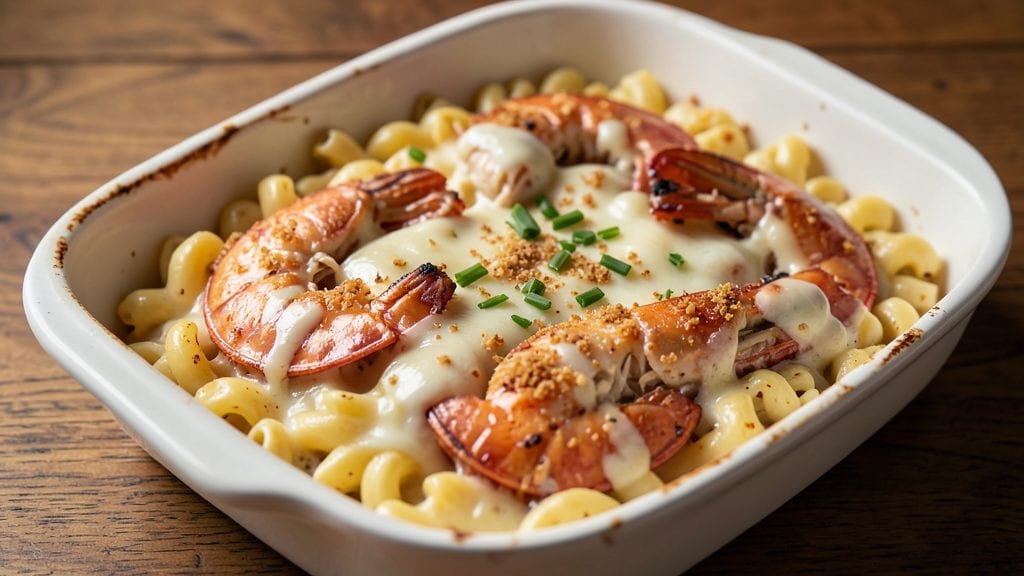
This Capital Grille lobster mac and cheese copycat recipe brings that iconic bistro indulgence home—rich, velvety, and loaded with succulent lobster in every forkful. The key lies in poaching the lobster perfectly, cooking the pasta al dente, and building a velvety cheese sauce that clings to every strand.
I’ve spent years perfecting this technique, and the result is a dish that rivals the restaurant’s version without the hefty price tag.
The process starts with poaching lobster tails in salted water until just tender, then carefully removing the meat while preserving its delicate texture. Meanwhile, the pasta cooks to that ideal al dente bite, ensuring it holds up against the rich cheese sauce.
The sauce itself is where the magic happens—a blend of sharp cheddar, Gruyère, and cream that emulsifies smoothly for a restaurant-quality finish.
By the time you plate it, you’ll have golden, bubbling mac and cheese topped with flaky lobster meat, garnished with parsley for a touch of freshness. The texture is what makes this dish unforgettable—creamy yet not heavy, with lobster that melts in your mouth.
This is the kind of recipe that transforms an ordinary weeknight into a special occasion.
Serve with a crisp green salad or grilled vegetables to balance the richness, and don’t forget the extra bread on the side—because you’ll want seconds. Let’s bring that Capital Grille flavor home.
Ingredients for capital grille lobster mac and cheese copycat
Four lobster tails, rich cheeses, and a velvety sauce—this is bistro-style comfort food at home.
| Ingredient | Amount | Notes |
|---|---|---|
| Lobster Tails 🦞 | 4 whole | Fresh or frozen, thawed completely |
| Elbow Macaroni 🍝 | 12 oz | Dry weight, al dente preferred |
| Sharp White Cheddar Cheese 🧀 | 2 cups | Shredded, block preferred |
| Gruyère Cheese 🧀 | 1 cup | Shredded, aged for nutty flavor |
| Heavy Cream 🥛 | 1 ½ cups | Full-fat for richness |
| Whole Milk 🥛 | ½ cup | Warmed for smooth sauce |
| Unsalted Butter 🧈 | 4 tbsp | Cold, cut into pieces |
| All-Purpose Flour 🌾 | 2 tbsp | For roux, all-purpose works |
| Garlic Cloves 🧄 | 4 cloves | Minced, for extra depth |
| Yellow Onion 🧅 | 1 whole | Diced, for flavor base |
| Fresh Parsley 🌿 | ¼ cup | Chopped, for garnish |
| Kosher Salt 🧂 | 2 tsp | For poaching and seasoning |
| Black Pepper 🌶️ | ½ tsp | Freshly ground for heat |
| Lemon Juice 🍋 | 1 tbsp | Fresh, for brightness |
The lobster is the star, so freshness matters. If using frozen, thaw in the fridge overnight—never in warm water. Whole Foods or your local seafood market usually carry the best. Look for tails with bright, vibrant meat and minimal odor. For a shortcut, pre-cooked lobster tails work too, but poaching them yourself gives that signature restaurant texture. The macaroni should be elbow-shaped—it holds the sauce better than shells or penne. I always grab De Cecco brand if I'm at the store, but any high-quality dried pasta works.
No Gruyère? Parmigiano-Reggiano or extra sharp cheddar in a pinch—just add a splash of cream to compensate. The heavy cream must be full-fat—light versions won't emulsify right. For the roux, all-purpose flour works fine, but if you've got cornstarch, use half flour, half cornstarch for extra smoothness. Fresh parsley is ideal, but dried oregano at one-third the amount gets you close. The butter? European-style if you can find it—it has more flavor. If you're short on time, you can use butter powder mixed with water, but it won't taste the same.
Leftover lobster meat keeps for 2 days in the fridge—perfect for lobster rolls or salads. The mac and cheese reheats beautifully—just add a splash of milk to loosen it up. Store in an airtight container with plastic wrap pressed right on the sauce to prevent a skin. Freezes for up to 3 months, though the texture gets slightly grainier after thawing. I always make a double batch—this tastes even better the next day as the flavors meld.
Why You'll Love This Recipe
- Here’s what sold me: you get restaurant-quality lobster flavor without the fuss of buttery steamed tails. Slice those tails open, broil them 5 minutes, and they’re crispy-edged and tender—like someone else did the hard part. (Between us, that’s half the battle.)
- One-Pot Magic: I swear by this—just toss everything into one pot (pasta, cream, cheeses, and those lobster tails) and let it meld. No saucepan juggling, no sticky stove mess. The Gruyère melts into that perfect stretchy blanket, and the lobster just absorbs the richness like it’s been waiting its whole life for this.
- Lobster Luxe, Easy: Here’s what sold me: you get restaurant-quality lobster flavor without the fuss of buttery steamed tails. Slice those tails open, broil them 5 minutes, and they’re crispy-edged and tender—like someone else did the hard part. (Between us, that’s half the battle.)
- Weeknight or WOW: This works for both. Throw it together on a Tuesday when you’re exhausted, or dress it up with a sprinkle of smoked paprika for date night. The heavy cream and sharp cheddar make it rich enough to feel special, but the elbow mac keeps it approachable. My daughter picks out the lobster pieces first, but still asks for seconds—no judgment.
Step-by-step instructions for Capital Grille lobster mac and cheese copycat recipe
Here's how to recreate that restaurant-worthy dish at home with rich flavors and perfect texture.
Poach the Lobster Tails to Tender Perfection
Bring a large pot of water to a gentle simmer and add the 1 tablespoon lemon juice along with 1 teaspoon of the kosher salt. You want the water to be just below a full boil—think of tiny bubbles breaking the surface. Place the 4 whole lobster tails in the pot and cook for exactly 3 minutes. You're not trying to fully cook them, just poach until they're just opaque and tender.
Use tongs to carefully remove the lobster tails and let them cool slightly before shelling. The shells will be easier to handle when they're not piping hot. Reserve the poaching water—we'll use it later to add depth to our sauce. The lemon juice not only brightens the flavor but also helps tenderize the meat during the brief cooking time.
Build the Creamy Cheese Sauce Foundation
In a large Dutch oven, melt 3 tablespoons of the unsalted butter over medium heat. Add the diced 1 whole yellow onion and cook for 5 minutes until softened but not browned. Stir in the 4 cloves minced garlic cloves and cook for another 30 seconds until fragrant—you should smell that wonderful garlic aroma filling your kitchen.
Reduce heat to medium-low and sprinkle in the 2 tablespoons all-purpose flour, stirring constantly for 1 minute to create a smooth roux. This will be the base of our sauce, so don't rush this step. Gradually whisk in the 1.5 cups heavy cream and 0.5 cup whole milk, letting each liquid incorporate completely before adding more. The mixture should begin to thicken noticeably as it simmers gently.
Cook the Elbow Macaroni Al Dente
Add the 12 oz elbow macaroni to the sauce and stir to coat completely. The pasta will absorb some of the liquid, so we want to cook it in the sauce rather than boiling it separately. Bring the mixture to a gentle boil, then reduce heat to medium-low and cook for 10-12 minutes, stirring occasionally, until the macaroni is al dente—it should have a slight bite but be tender throughout.
While the pasta cooks, shred the 2 cups sharp white cheddar cheese and 1 cup gruyère cheese using a box grater. I like to use a combination of both cheeses for that perfect balance of sharpness and nutty flavor that makes this dish so special. Keep the shredded cheese nearby as we'll add it in the next step.
Combine and Create the Luxurious Sauce
Remove the Dutch oven from heat and stir in the shredded cheeses until completely melted and smooth. The sauce should be thick and creamy, coating the back of a spoon. If it's too thick, add some of the reserved lobster poaching water, 2 tablespoons at a time, until you reach your desired consistency—it should be thick enough to cling to the pasta but still flow smoothly.
Carefully add the shelled lobster tails to the macaroni mixture, gently folding them in so they're fully coated in the cheese sauce. Sprinkle with the remaining 1 teaspoon kosher salt and 0.5 teaspoon black pepper, then stir just until combined. The lobster should be warm but not overcooked—this ensures it stays tender and moist.
Finish with Fresh Parsley and Serve Immediately
Transfer the lobster mac and cheese to serving dishes and let it rest for 2-3 minutes. This brief resting period allows the flavors to meld together and the sauce to set slightly. Garnish each serving with the 0.25 cup chopped fresh parsley, adding a pop of color and freshness that balances the rich cheeses.
Serve immediately while the pasta is hot and the sauce is at its peak creamy consistency. Each bite should deliver tender lobster, perfectly al dente pasta, and that luxurious cheese sauce that makes this dish feel like a true bistro experience. The lemon juice from the poaching water adds a subtle brightness that cuts through the richness, making every forkful perfectly balanced.
Pro Tips For Making Capital Grille Lobster Mac And Cheese Copycat
- Grill Lobster First: The Capital Grille version starts with perfectly charred lobster—don’t skip this. Sear the tails skin-side down in a screaming-hot cast-iron skillet for 2-3 minutes until deeply browned, then flip and baste with butter. I used to bake them first, and the flavor just wasn’t the same—this step makes all the difference when they’re folded into the mac.
- Shred Cheese Hot: Gruyère and sharp white cheddar melt like butter when fresh from the oven, but if you shred them cold, you’ll end up with a gritty, uneven sauce. Toss the shredded cheese into the hot cream and pasta mixture right after draining—it’ll melt smoothly and coat every noodle. (Yes, even if you’re impatient like me.)
- Don’t Overmix the Sauce: The Capital Grille version has a silky, almost velvety texture, not a gluey mess. Once the cheese melts into the cream, give it one gentle stir with a wooden spoon—just enough to combine. Overmixing turns it into paste. I learned this the hard way after making a batch that looked like it belonged in a school cafeteria.
- Reserve Some Pasta Water: This isn’t just a generic tip—it’s the thing that matters most for this recipe. Before draining your elbow mac, scoop out ½ cup of starchy water. When you fold in the lobster and cheese sauce, a splash of that water will loosen the sauce just enough to coat the noodles perfectly. Skip it, and you’ll be left with dry, clumpy mac.
Make-ahead tips for leftovers
Prep Ahead Strategy
The secret to stress-free execution is prepping components in advance. I recommend shelling the lobster tails the night before and storing them in an airtight container with a splash of lemon juice and plastic wrap pressed directly on the meat. This keeps them fresh and prevents drying out.
The cheese sauce base can be made up to 1 day ahead—just store it in a sealed container and reheat gently over low heat with a splash of milk to restore creaminess. 💡
Pasta Pre-Cooking
Cook the elbow macaroni 1 minute less than package instructions suggest, then drain and rinse under cold water to stop cooking. Spread on a baking sheet to cool completely before storing in a sealed container.
When reheating, add it directly to the warmed sauce to finish cooking—this ensures perfectly al dente texture every time. I always prep this step first since it's the most time-consuming when done fresh.
Sauce Assembly
For the cheese sauce, make the roux and store it in the fridge for up to 2 days in an airtight container. When ready to assemble, simply whisk in the heavy cream and milk, then add the shredded cheese.
The key is to keep everything refrigerated until the final assembly to prevent the sauce from separating. I like to shred the cheeses the day before and store them in separate containers to maintain freshness. 🧀
Lobster Prep Shortcut
If you're short on time, buy pre-cooked lobster tails from your seafood market—they're often available frozen. Thaw them in the fridge overnight, then shell them just before assembling. For extra flavor, brush the cooked lobster with melted butter and a pinch of cayenne before adding to the mac and cheese.
This adds that signature restaurant touch without extra effort.
Freezer-Friendly Assembly
This dish freezes beautifully for up to 3 months if assembled completely. Let it cool completely, then transfer to a freezer-safe container with plastic wrap pressed directly on the sauce surface. To reheat, thaw overnight in the fridge, then warm gently on the stovetop with a splash of milk.
The texture might be slightly grainier after freezing, but the flavors remain rich and delicious. 🥶
Plating Prep
Garnish components can be prepped ahead too. Chop the parsley and store it in a small container with a damp paper towel to maintain freshness. Keep the extra butter and lemon juice handy for finishing touches right before serving.
I like to set out all my garnishes in small bowls on the table so I can plate beautifully without rushing. The presentation makes all the difference when serving this luxurious dish! 🍽️
Nutrition facts
Frequently asked questions
Can I substitute lobster meat for another seafood?
While lobster gives this dish its signature luxury, you can use shrimp or scallops for a similar seafood twist. For best results, poach shrimp for 1-2 minutes until just pink, or sear scallops in butter for 2 minutes per side before adding to the mac and cheese. Avoid overcooking—seafood should stay tender and slightly firm.
Why does my cheese sauce get grainy?
Grainy sauce happens when cheese melts unevenly or the sauce separates. To fix it, whisk in 1 tablespoon of cold butter or a splash of warm milk while stirring constantly over low heat. For prevention, shred cheese yourself (pre-shredded contains anti-caking agents) and keep all ingredients refrigerated until combining. The reserved lobster poaching water also helps restore creaminess if needed.
How do I make this dish vegetarian?
Swap the lobster for chicken breast or mushrooms as the protein. For chicken, poach 1 cup diced breast in the same lemon-salted water for 5 minutes until just cooked. For mushrooms, sauté 8 oz sliced cremini mushrooms with garlic until golden. Add them to the sauce at the end to maintain texture. The cheese sauce remains the star!
Can I bake this mac and cheese instead of stovetop?
Transfer the assembled dish to a greased baking dish, cover with foil, and bake at 375°F for 20 minutes. Uncover and bake 5 more minutes to get a golden top. For extra crispiness, broil for 1-2 minutes at the end. Baking works well for make-ahead meals—just reheat covered at 350°F for 15 minutes.
What's the best way to reheat leftovers?
Reheat gently on the stovetop with a splash of milk or broth to restore creaminess. For baked versions, cover with foil and warm at 350°F until heated through. Avoid microwaving—it can make the sauce watery. For best results, reheat only what you'll serve immediately, as the sauce thickens as it cools. Leftovers keep 3-4 days in the fridge.