
Appetizers
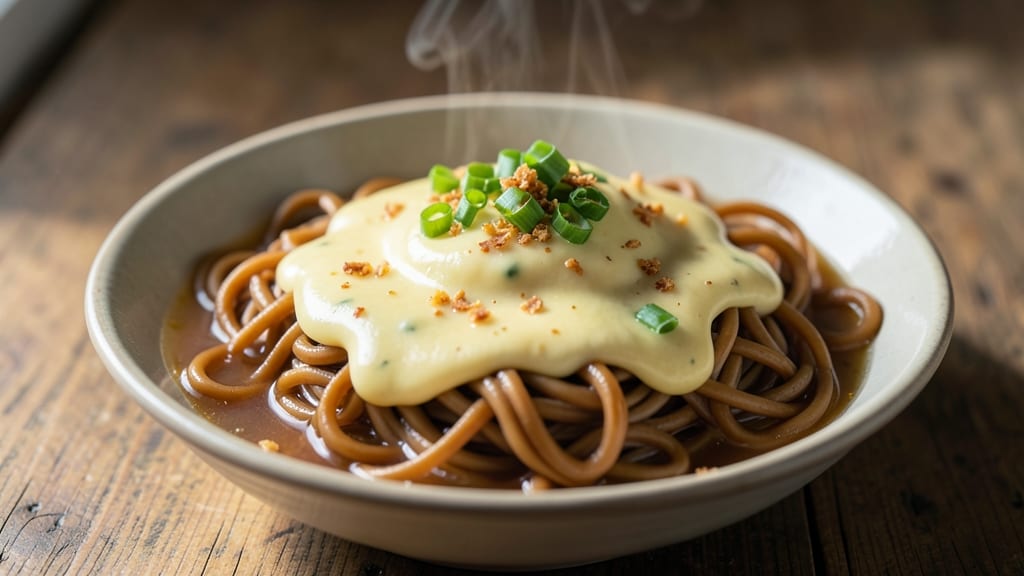
This cheese udon recipe transforms classic Japanese noodles into a creamy, cheesy delight that balances tradition with modern comfort food appeal. The secret lies in edamame cheese—a smooth, nutty Japanese cheese that melts beautifully into the broth while keeping the dish authentically satisfying.
After perfecting this recipe through countless batches, I’ve found the right balance of rich umami broth and velvety cheese that makes every bite irresistible.
The beauty of this dish is its versatility—whether you prefer a hot, steaming bowl of cheesy udon soup or a crispy, baked version with crispy noodles and melted cheese on top.
The recipe requires just 15 minutes of active prep, followed by 10 minutes of simmering, making it ideal for weeknight dinners or weekend cooking projects.
The broth is packed with garlic, ginger, and soy sauce for depth, while the edamame cheese adds a subtle sweetness that pairs perfectly with the noodles.
What you’ll end up with is a restaurant-quality udon dish that’s creamy, cheesy, and packed with flavor—no takeout needed. The noodles remain silky and tender, while the cheese creates a luscious, stretchy texture that coats every strand.
Garnish with green onions, chili oil, or sesame seeds for extra freshness and heat. This recipe is perfect for sharing, leftovers, or even meal prepping for busy days.
For those who love fusion flavors, try adding a drizzle of spicy mayo or crispy fried shallots on top. The possibilities are endless, but the foundation—rich broth, perfect noodles, and melted cheese—is what makes this dish truly special. Let’s get cooking!
Ingredients for cheese udon
Fourteen ingredients blend Japanese tradition with cheesy comfort in this silky udon dish.
| Ingredient | Amount | Notes |
|---|---|---|
| Dried Udon Noodles 🍜 | 8 oz | Fresh or dried, cut into 4-inch strands |
| Edamame Cheese 🧀 | 8 oz | Japanese cheese, block or shredded |
| Dashi Stock 🍲 | 2 cups | Instant or homemade, for umami depth |
| Chicken Broth 💧 | 1 cup | Low-sodium for broth balance |
| Soy Sauce 🧂 | 2 tbsp | Japanese or regular, for savory base |
| Mirin 🍶 | 1 tbsp | Sweet rice wine, enhances flavor |
| Sesame Oil 🫒 | 1 tbsp | Toasted, for aromatic finish |
| Garlic Cloves 🧄 | 4 cloves | Minced, for aromatic punch |
| Fresh Ginger 🌿 | 1 tbsp | Grated, for zesty brightness |
| Green Onions 🧅 | 4 whole | Sliced, for fresh garnish |
| Chili Oil 🌶️ | 1 tbsp | Optional, for spicy kick |
| White Sesame Seeds 🌰 | 1 tsp | Toasted, for garnish |
| Salt 🧂 | ½ tsp | Adjust to taste, for balance |
| Butter 🧈 | 2 tbsp | Unsalted, for richness |
The edamame cheese is non-negotiable for authentic flavor. Japanese specialty stores like Mitsua or H Mart carry it, but Amazon also delivers. If unavailable, mozzarella and ricotta blend mimics the meltiness, though it lacks the nutty depth. Fresh udon noodles (found frozen in the Asian aisle) yield the best texture, but dried works in a pinch—just soak them properly. The dashi stock should be lightly salty; if homemade, use kombu and bonito flakes for purity. Garlic and ginger need to be freshly grated or minced—pre-minced garlic lacks the aromatic impact.
No mirin? Substitute 1 tbsp honey plus 1 tbsp rice vinegar for similar sweetness. Short on sesame oil? Toasted peanut oil works, though the flavor shifts slightly. The chili oil can be swapped for sriracha or gochujang, but reduce to half the amount. For a vegetarian version, use vegetable broth instead of chicken broth and ensure your dashi is vegan-friendly. The butter adds richness—don’t skip it, but use unsalted to control seasoning. If your udon noodles are too thick, cut them into 3-inch strands for quicker cooking.
Store cooked udon in an airtight container with a thin layer of oil on top to prevent sticking—keeps for 3 days in the fridge. The cheese sauce can be prepped ahead and reheated gently; it thickens as it cools, so add a splash of broth when reheating. For crispy udon, bake the assembled dish at 375°F for 10-12 minutes until the cheese is bubbly and golden. Garnishes like green onions and sesame seeds stay fresh for 5 days in the fridge, while chili oil lasts 6 months unopened.
Why You'll Love This Recipe
- No Boil Required: I swear by this trick—just soak the dried udon in warm broth instead of boiling water. The noodles absorb that rich, umami-packed dashi-chicken broth blend while staying perfectly tender, no fuss. Honestly, it’s the kind of shortcut that makes me actually want to cook on a Tuesday.
- Umami Bomb: That edamame cheese isn’t just a topping—it’s the star. When it melts into the warm broth, it turns creamy and nutty, like a cross between mac and cheese and a comforting ramen hug. The soy sauce ties it all together with that perfect salty depth.
- Lunchbox Hero: Between us, this is my go-to for packed lunches. The noodles hold up surprisingly well overnight, and the cheese stays gooey when reheated. My kids (yes, even the picky ones) grab these before their bento boxes—no complaints.
- Budget Stretch: Dried udon and dashi stock are my pantry’s secret weapons. A single batch feeds four for under $6, and the leftovers? Even better the next day. I’ll be real: this is how I stretch grocery money without sacrificing flavor.
Step-by-step instructions for cheese udon recipe
Transform simple ingredients into a luxurious bowl of silky udon with velvety edamame cheese.
Prepare the Udon Noodles and Broth Base
Bring a large pot of water to a rolling boil and add the 8 oz dried udon noodles. Cook according to package instructions until al dente—typically 4-5 minutes—then drain immediately and rinse briefly with cold water to stop the cooking process. This prevents overcooking and maintains their silky texture.
In a separate saucepan, combine the 2 cups dashi stock and 1 cup chicken broth. Bring to a gentle simmer over medium heat and let it reduce slightly until you have about 2½ cups of fragrant liquid. This concentrated broth forms the foundation of your sauce, delivering deep umami flavor without overpowering the delicate noodles.
Build the Aromatic Cheese Sauce
In a clean skillet, melt the 2 tbsp butter over medium-low heat, then add the 4 cloves minced garlic and 1 tbsp grated fresh ginger. Sauté for 1-2 minutes until fragrant but not browned—this prevents bitterness and ensures the flavors meld gently. Remove from heat and set aside.
Add the 8 oz edamame cheese to the skillet with the garlic-ginger butter mixture. Stir constantly over low heat until the cheese melts completely and becomes smooth. This process should take about 3-4 minutes. The cheese should transform into a creamy, stretchy sauce—this is your signature element. Keep the heat low to prevent scorching.
Combine Noodles and Sauce
Return the skillet with melted cheese to the stovetop and add the 2 tbsp soy sauce and 1 tbsp mirin. Stir to combine, then pour in the reduced broth mixture. Bring to a gentle simmer and let it cook for 2-3 minutes until the sauce thickens slightly and coats the back of a spoon. Taste and adjust seasoning with the 0.5 tsp salt if needed.
Add the cooked udon noodles to the sauce and toss gently to coat evenly. The noodles should absorb the rich, cheesy broth while maintaining their silky texture. If the sauce appears too thick, add 1-2 tablespoons of hot water to loosen it to your preferred consistency.
Finish and Garnish
Divide the cheese udon among 4 bowls, creating a generous mound of noodles in each. Drizzle with 1 tbsp sesame oil and 1 tbsp chili oil (if using) for a balance of nutty aroma and subtle heat. The sesame oil should coat the noodles lightly, adding depth without overpowering.
Garnish each serving with 1 whole sliced green onion and sprinkle with 1 tsp white sesame seeds. The green onions add a fresh contrast, while the toasted sesame seeds provide a satisfying crunch. Serve immediately while the cheese remains creamy and the noodles are silky.
Pro Tips For Making Cheese Udon
- Boil Udon Fast: Toss the dried noodles in boiling water for exactly 2 minutes—no more, no less. I used to overcook them by accident, and they turned to mush. Two minutes gives you al dente noodles that hold up when you toss them in the cheese sauce later.
- Melt Cheese Properly: Warm the edamame cheese in a separate pan over low heat until it’s fully melted and smooth—about 2-3 minutes. Dumping cold cheese into the broth will make it clump like glue. Stir it until it’s silky, then pour it in.
- Simmer, Don’t Boil: Keep the broth at a gentle simmer, not a rolling boil, while you cook the udon. I learned this the hard way when my broth evaporated too fast, leaving the cheese sauce too thick and the noodles dry. A low simmer keeps everything balanced.
- Season Broth First: Mix soy sauce, dashi, and chicken broth together before adding the udon. This way, the flavors meld properly, and you won’t end up with a dish that tastes like you just dumped sauce on top. Taste and adjust the seasoning before the noodles go in.
Troubleshooting this recipe
Cheese Too Grainy?
If your edamame cheese clumps or looks grainy, it’s likely overheating. Keep the heat at low and stir constantly with a heatproof silicone spatula—this prevents scorching and ensures smooth melting.
For extra insurance, I blend pre-shredded cheese with 1 tbsp water before adding it to the sauce. This trick works especially well with store-bought substitutes like mozzarella blends. 🧀
Broth Too Thin?
If your sauce is watery, reduce the broth further by simmering uncovered for 5-7 minutes until it thickens. For a quicker fix, mix 1 tsp cornstarch with 1 tbsp cold water, stir into the sauce, and cook for 1 minute until thickened.
Avoid over-reducing—this can make the sauce clingy and lose its velvety texture.
Noodles Overcooked?
Udon noodles turn mushy when overcooked. Always follow package instructions and test one strand at 4 minutes—it should be tender but still slightly firm to the bite.
For dried noodles, rinse briefly in cold water after draining to stop cooking immediately. Fresh udon (thawed) cooks in 2-3 minutes—set a timer and don’t walk away!
Cheese Separating?
This happens when the sauce is too hot or contains moisture. If your cheese starts to split, whisk in 1 tsp lemon juice to stabilize the emulsion. For a smoother result, melt the cheese off-heat first, then return to low heat while stirring.
I also recommend using a nonstick skillet—cheese clings less to the surface and stays cohesive. 🔥
Lacking Umami Depth?
Boost the savory notes by adding ½ tsp fish sauce or 1 tsp soy sauce reduction (simmer 1 tbsp soy sauce until syrupy). For a vegetarian option, use ½ tsp mushroom powder or a splash of vegetable dashi.
The key is balance—too much soy can overpower the delicate cheese flavor.
Crispy Top Needed?
For a crispy cheese udon, transfer the assembled dish to a baking sheet and broil on high for 1-2 minutes until the cheese bubbles and turns golden.
Watch closely to avoid burning! For extra crunch, sprinkle panko breadcrumbs on top before broiling. This works especially well for baked cheese udon variations. ✨
Nutrition facts
Frequently asked questions
What makes edamame cheese the best choice for this udon recipe?
Edamame cheese's nutty, slightly sweet flavor melts perfectly into the broth, creating a velvety texture that coats the noodles beautifully. Unlike regular cheeses, it doesn't overpower the delicate udon flavor or create graininess. For substitutes, a blend of mozzarella and ricotta works in a pinch, though it lacks the authentic depth.
Can I make this cheese udon dish vegetarian?
Replace the chicken broth with vegetable broth and ensure your dashi is plant-based. Edamame cheese is naturally vegetarian, so the only adjustments needed are the broth and any optional meat toppings. The dish will still have rich, cheesy flavor without compromising its vegetarian status.
How do I store leftovers to keep the noodles from getting soggy?
Store cooked udon in an airtight container with a thin layer of oil on top to prevent sticking. Reheat gently in a skillet with a splash of water or broth to restore moisture without making the noodles mushy. Refrigerated udon keeps well for 3 days, but it's best enjoyed fresh for optimal texture.
Can I make this recipe with fresh udon noodles instead of dried?
Yes, but adjust cooking time! Fresh udon (found frozen in the Asian aisle) cooks in just 2-3 minutes—set a timer and don't overcook. Thaw them first, then cook as directed. Fresh noodles maintain their silky texture better than dried, but dried is more convenient for most home cooks.
What's the secret to getting that perfect creamy cheese sauce?
Low and slow is key! Melt the cheese over low heat while stirring constantly with a silicone spatula. Avoid high heat, which causes graininess. For extra smoothness, blend pre-shredded cheese with 1 tbsp water before adding. The butter and aromatics (garlic, ginger) also help create that luscious, stretchy sauce.