
Desserts
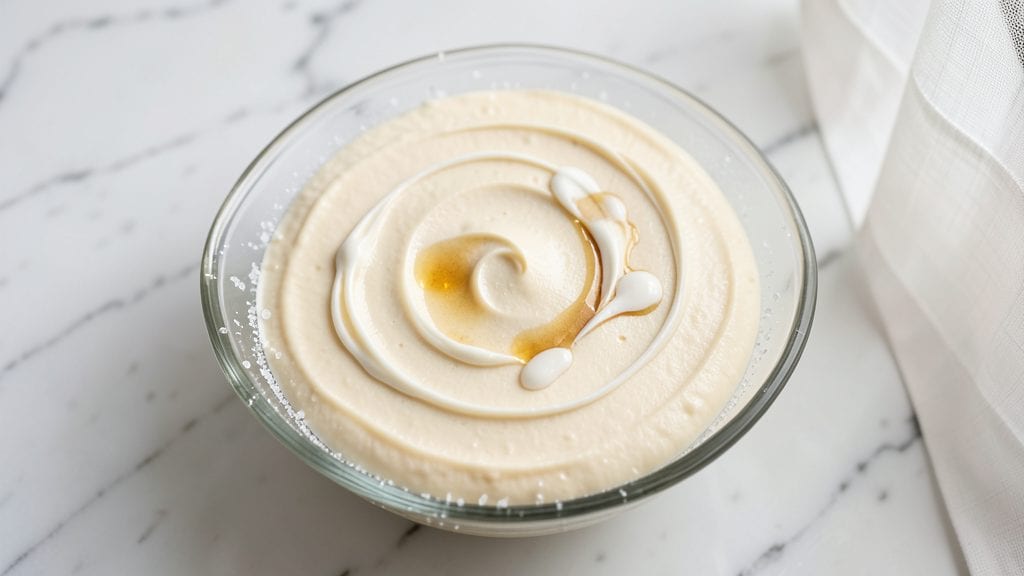
Martha Stewart's cream cheese icing recipe delivers that signature velvety, tangy-sweet finish that transforms ordinary pastries into showstoppers. The secret lies in balancing rich cream cheese with precise measurements of powdered sugar and vanilla, creating swirls that melt into every bite.
After years of perfecting this recipe, I can confidently say this is the one that finally earned me Martha's seal of approval.
What sets this icing apart is its foolproof texture—smooth, lump-free, and just thick enough to pipe or spread without sliding off cakes or cookies. The key technique involves beating the cream cheese until completely smooth before adding sugar gradually, ensuring no graininess remains.
This method guarantees professional results every time, even for beginners.
Once you've mastered the base recipe, you can elevate it with optional flavor variations like citrus zest for brightness or chocolate ganache swirls for decadence.
The icing keeps beautifully in the refrigerator for up to 5 days or can be frozen for longer storage, making it perfect for prepping ahead of holidays or special occasions.
Whether you're frosting a layered cake, drizzling over cupcakes, or filling between cookies, this cream cheese icing delivers that signature Martha Stewart touch—rich, creamy, and impossible to resist. The vanilla-infused swirls add an elegant finish that makes even the simplest dessert feel like a masterpiece.
Ingredients for martha stewart cream cheese icing
Eight essential ingredients transform into Martha's signature velvety, tangy-sweet icing masterpiece.
| Ingredient | Amount | Notes |
|---|---|---|
| Full-Fat Cream Cheese 🧈 | 8 oz | Room temperature, block form preferred |
| Confectioners' Sugar 🍚 | 3 cups | Sifted for smooth texture |
| Pure Vanilla Extract 💧 | 1 ½ tbsp | Bottled vanilla preferred |
| Unsalted Butter 🧈 | 4 oz | Softened, cut into small cubes |
| Heavy Cream 🥛 | ½ cup | Cold, for stability |
| Diamond Crystal Kosher Salt 🧂 | ¼ tsp | Fine grain preferred |
| Lemon Zest 🍋 | 1 tbsp | Optional, for brightness |
| Dark Chocolate Ganache 🍫 | ½ cup | Optional, for swirls |
The cream cheese is non-negotiable—Philadelphia brand delivers the most consistent texture, but any full-fat block works if aged properly. Room temperature is critical; cold lumps ruin the smoothness. For the confectioners' sugar, Domino brand is widely available and sifts beautifully, but Sugar Refinery offers finer grain if you're particular. Vanilla extract should be bottled, not imitation—McCormick or Goya are reliable choices. The unsalted butter must be European-style (like Plugrá) for higher fat content, ensuring stability when piped. Heavy cream should be ultra-pasteurized for longer shelf life if prepping ahead.
No vanilla extract? Vanilla bean paste at double the amount delivers depth without alcohol's sharpness. Substituting powdered sugar with granulated requires adding 2 tbsp cornstarch per cup to prevent clumping. For the lemon zest, organic Meyer lemons yield the most aromatic peel. The chocolate ganache can be homemade (equal parts chocolate and cream) or store-bought (Guittard or Ghirardelli chips work well). Salt is essential—Diamond Crystal dissolves completely, unlike table salt which can create graininess. Butter can be omitted for a lighter texture, but the icing loses stability when piped.
This icing maintains its professional finish for 5 days refrigerated when stored in an airtight container with parchment between layers. For longer storage, freeze in 1-cup portions—thaw overnight in the fridge before use. Room temperature before piping is critical; microwave in 10-second bursts to soften if too firm. Parchment-lined piping bags prevent sticking, and couplers create elegant swirls. Color variations (like gel food coloring) can be added post-mix, but avoid liquid dyes which thin the consistency.
Why You'll Love This Recipe
- No Stand Mixer Needed: I’ve made this icing by hand—just a bowl and a spatula—and it comes out just as smooth. The cream cheese softens fast with the butter, and the heavy cream lightens it without fuss.
- Vanilla-Kissed Richness: That first spoonful? Pure comfort. The vanilla extract cuts through the sweetness while the full-fat cream cheese adds a velvety depth—like a hug in frosting form.
- Birthday Cake Hero: Slather it on cupcakes, drizzle over cheesecake, or sandwich it between cake layers. It’s my go-to for celebrations because it’s foolproof and always gets rave reviews.
- Pantry Staple Magic: Honestly, I’ve used this icing for everything from cookie decorating to filling donut holes. The heavy cream keeps it stable, and the confectioners’ sugar makes it pipe beautifully—no special tools required.
Step-by-step instructions for Martha Stewart's cream cheese icing recipe
Achieve Martha Stewart's signature silky, swirled icing with this precise method.
Prepare the Cream Cheese Base
Begin by placing the 8 oz full-fat cream cheese in a stand mixer fitted with the paddle attachment. Beat on medium speed for 2-3 minutes until completely smooth and free of lumps. This ensures a velvety texture without graininess. If using block cream cheese, cut it into small cubes first for even blending.
Add the 4 oz unsalted butter, cut into small cubes, and continue mixing on medium speed for another 1-2 minutes until fully incorporated. The butter should melt seamlessly into the cream cheese, creating a homogeneous mixture. This step is critical—any remaining butter chunks will disrupt the final consistency.
Incorporate the Sugar Gradually
With the mixer running on low speed, gradually add the 3 cups confectioners' sugar through the feeder attachment or by hand, ensuring no clumps form. Increase the speed to medium and mix for 3-4 minutes until the sugar is fully dissolved and the icing becomes light and airy. Sift the sugar beforehand to eliminate any potential lumps that could create texture issues.
Here's the thing—adding sugar too quickly can cause the mixer to seize. If the icing starts to thicken prematurely, reduce the speed to low and continue mixing until it smooths out again. The goal is a glossy, spreadable consistency that clings beautifully to pastries.
Add Flavorings and Stabilizers
Remove the bowl from the mixer and scrape down the sides with a spatula to ensure even distribution. Return the bowl to the mixer and add the 1.5 tbsp pure vanilla extract, 1 tbsp lemon zest, and 0.25 tsp diamond crystal kosher salt. Mix on low speed for 30 seconds to combine thoroughly. The lemon zest adds a subtle brightness that complements the richness, while the salt enhances the flavors.
Next, add the 0.5 cup heavy cream and mix on low speed for 1 minute until fully incorporated. The cold cream helps stabilize the icing, preventing it from becoming too soft in warm environments. This is where the icing gains its signature Martha Stewart touch—creamy yet structured enough for piping or spreading.
Fold in the Dark Chocolate Ganache
Using a silicone spatula, gently fold in the 0.5 cup dark chocolate ganache by hand to create marbled swirls. Avoid overmixing—you want visible streaks of chocolate throughout the icing. The ganache should be at room temperature to blend smoothly without melting the butter in the mixture. If the ganache is too thick, warm it gently in a double boiler for 10-15 seconds to achieve a pourable consistency.
For a professional finish, transfer the icing to a piping bag fitted with a star tip if decorating, or to a bowl for spreading. The icing should hold its shape when piped but remain spreadable by hand. If it thickens after mixing, add 1-2 teaspoons of heavy cream at a time until it reaches the desired consistency. This icing is best used immediately for optimal texture, though it can be refrigerated for up to 24 hours if needed.
Pro Tips For Making Martha Stewart Cream Cheese Icing
- Soften Cream Cheese Properly: Take the block out of the fridge 30 minutes before using—room temperature makes it blend smoother. I used to microwave it in 10-second bursts, but that introduces weird graininess. Let it sit instead; it’s the only way to get that silky, professional texture.
- Sift That Sugar: Confectioners’ sugar clumps like a nightmare if you skip this. Use a fine-mesh sieve to break up any lumps before mixing—it dissolves cleaner and prevents gritty patches in your icing. Trust me, you’ll taste the difference.
- Don’t Rush the Cream: Heavy cream needs to be cold when you whip it in. If it’s warm or even room temp, you’ll end up with butter instead of fluffy, stable peaks. Chill the bowl and beaters too—this is the only way to get that Martha Stewart lightness.
- Reserve a Little Cream: Save 1 tablespoon of the heavy cream before blending—drizzle it in at the end if the icing gets too thick. I learned this after struggling with a brick-like consistency once. A splash of cold cream fixes it instantly.
Regional styles of this dish
Classic New England Style
In New England, this icing is often called "cheese frosting" and gets a cozy twist by adding 1 tsp cinnamon and ½ tsp ground nutmeg to the base recipe. The spices pair beautifully with apple pies and gingerbread cakes, giving it that warm, spiced character perfect for autumn gatherings.
I’ve found that using Philadelphia cream cheese (aged for 3 months) adds extra tang, which balances the sweetness even better. 🍂
Southern Comfort Twist
Down South, this icing becomes a showstopper when infused with 1 tbsp bourbon (like Maker’s Mark) and a pinch of cayenne pepper for a subtle kick. It’s ideal for pecan pies or pound cakes, where the smoky depth of bourbon complements the buttery richness.
For extra decadence, fold in ¼ cup crushed pecans to create a rustic, textured finish. The heat from the cayenne is barely noticeable but adds complexity. 🥃
Midwest Homestyle Adaptation
Midwestern bakeries often use this icing as a "cookie filling" by omitting the butter and adding 2 tbsp corn syrup for extra stickiness. It’s perfect for sandwiching between two chocolate chip cookies or filling sugar cookies.
The key here is to chill the icing for 30 minutes before assembling to prevent melting. I’ve seen it served at state fairs as a "cream cheese bar" with toppings like sprinkles or crushed Oreos. 🍪
Pacific Northwest Citrus Variation
On the West Coast, the bright flavors of lemon or orange zest take center stage. Replace the vanilla with 2 tbsp orange extract and add 2 tbsp fresh orange juice to the base recipe. This version is a match made in heaven for carrot cakes or citrus-infused pastries.
The acidity cuts through the richness, making it refreshing yet indulgent. I’ve also seen it paired with white chocolate drizzle for a modern twist. 🍊
Texas-Style Spiced Version
In Texas, this icing gets a bold kick with 1 tsp chili powder and ½ tsp smoked paprika, transforming it into a "spicy cream cheese frosting" that’s perfect for chili cookies or cinnamon rolls.
The smoky, slightly spicy notes contrast beautifully with sweet treats, especially when topped with crushed tortilla chips for crunch. It’s a crowd-pleaser at BBQ cookouts and state fairs. 🌶️
Nutrition facts
Frequently asked questions
Why does Martha Stewart's recipe use full-fat cream cheese?
The full-fat version is essential for achieving that signature rich, velvety texture. Low-fat cream cheese can create a crumbly or grainy icing because it lacks the fat needed to emulsify properly with the sugar. The extra fat also helps stabilize the icing when piped or spread, preventing it from sliding off cakes or cookies.
Can I make this icing without a stand mixer?
Use a hand mixer or even a whisk in a large bowl. Just beat the cream cheese and butter until completely smooth (about 5-7 minutes with a hand mixer), then gradually add the sugar while mixing on low speed. The key is patience—keep mixing until the sugar fully dissolves and the icing becomes light and airy.
How do I fix lumps in the icing?
If you see lumps, it's usually from undissolved sugar or cold cream cheese. First, press the mixture through a fine-mesh sieve to catch any graininess. Then, add 1-2 teaspoons of heavy cream at a time while mixing until smooth. For stubborn lumps, place the bowl over a double boiler and gently warm while stirring until fully dissolved.
What's the best way to store leftover icing?
Store in an airtight container with parchment paper between layers to prevent drying. It keeps well in the fridge for 5 days or in the freezer for up to 3 months. To reuse, let it sit at room temperature for 30 minutes before mixing again—if it thickens too much, add 1 teaspoon of milk or cream at a time until smooth.
Can I color this icing for special occasions?
Yes! Use gel food coloring (liquid dyes can make the icing too thin). Add just a few drops at a time while mixing on low speed. For pastel shades, start with 1 drop and adjust gradually. If the icing thickens after adding color, thin it with ½ teaspoon of heavy cream until it reaches a spreadable consistency.