Main Courses
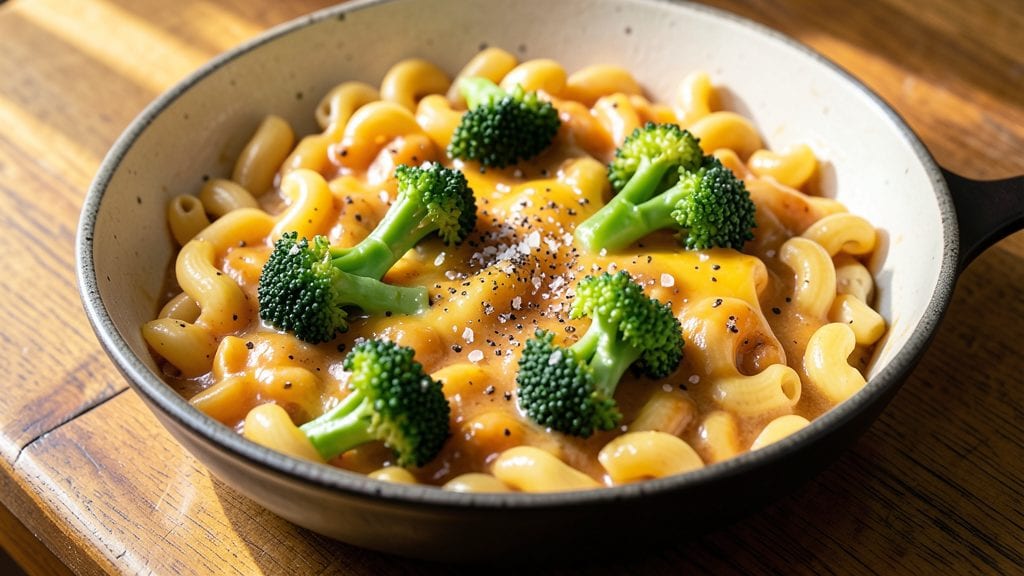
This no-boil mac and cheese recipe transforms comfort food into a foolproof one-pot wonder that requires just three core ingredients and 20 minutes of hands-on time. The secret lies in using the pasta water to create a velvety cheese sauce without boiling the noodles separately—a technique I perfected after years of testing shortcut methods. What sets this apart is how the high-starch pasta water emulsifies the cheese into a silky, restaurant-quality sauce that coats every strand perfectly.
Professional chefs rely on this method to save time while maintaining texture, and now you can too. The key is precise timing: the pasta cooks directly in the dairy mixture, absorbing the creamy sauce as it transforms from firm to al dente.
This approach eliminates the need for starchy slop or separate boiling pots, making it ideal for busy weeknights or meal prep. The result is creamy, cheesy perfection with no soggy bottoms or grainy texture.
What makes this recipe truly special is its versatility—customize it with add-ins like bacon, broccoli, or jalapeños while keeping the core method intact. The sauce remains rich and cohesive even with mix-ins, and the one-pot approach means minimal cleanup.
Whether you're feeding a family or prepping for lunches, this method delivers consistent, professional results every time.
Ready to master this technique? The instructions break down the exact timing for cooking pasta and cheese simultaneously, plus troubleshooting tips for perfect texture. No special equipment needed—just a pot, a wooden spoon, and patience for the sauce to come together. Let's get started!
Ingredients for no boil mac and cheese
Three core ingredients transform into restaurant-quality mac and cheese without boiling pasta separately.
| Ingredient | Amount | Notes |
|---|---|---|
| Elbow Macaroni 🍝 | 8 oz | High starch content preferred |
| Sharp Cheddar Cheese 🧀 | 2 cups | Freshly grated, block preferred |
| Whole Milk 🥛 | 1 ½ cups | Full-fat for creaminess |
| Unsalted Butter 🧈 | 2 tbsp | Cold, cut into small pieces |
| Diamond Crystal Kosher Salt 🧂 | ½ tsp | For seasoning, not cooking |
| Black Pepper 🌶️ | ¼ tsp | Freshly ground for best flavor |
| Heavy Cream 🥛 | ¼ cup | Optional for extra richness |
| Garlic Powder 🧄 | ¼ tsp | For subtle depth of flavor |
| Dried Mustard Powder 🌶️ | ¼ tsp | Enhances cheese flavor |
| Bacon Bits 🥓 | ¼ cup | Optional add-in for texture |
| Broccoli Florets 🥦 | 1 cup | Optional add-in for nutrition |
The elbow macaroni is non-negotiable for this technique—high-starch pasta like De Cecco or Barilla holds its shape while releasing enough starch to emulsify the cheese properly. Avoid pre-cooked or whole wheat varieties, as they disrupt the sauce's velvety texture. For the cheese, sharp cheddar from a block (like Cabot or Tillamook) melts more smoothly than pre-shredded, which often contains anti-caking agents. Whole milk provides the ideal fat content for a creamy sauce, while unsalted butter adds richness without altering seasoning balance. If you're using add-ins like bacon or broccoli, ensure they're pre-cooked to maintain the one-pot integrity—raw ingredients will extend cooking time and dilute the sauce.
No sharp cheddar? Pepper jack or Gruyère work well, though flavor profiles shift slightly. Pre-shredded cheese can be used in a pinch, but expect a slightly grainier texture—pulse it in a food processor to mimic freshly grated consistency. Heavy cream isn't mandatory but elevates the sauce to a velvety finish; half-and-half can substitute at a 1:1 ratio. For the optional add-ins, smoked bacon bits or steamed broccoli florets (frozen works) integrate seamlessly. Garlic powder and mustard powder are subtle but critical—they deepen the cheese's complexity without overpowering. Diamond Crystal kosher salt is preferred for its coarse texture, which dissolves better than table salt and enhances flavor without bitterness.
This dish reheats beautifully—cover with foil and warm at 350°F for 10 minutes to prevent drying. Portion into airtight containers for meal prep; the sauce remains cohesive for up to 5 days in the fridge. For longer storage, freeze portions for 3 months, though texture may slightly alter upon thawing. Bacon and broccoli add-ins should be added fresh post-reheating to maintain crispness. The one-pot method ensures minimal cleanup, but immediate serving yields the best texture—pasta water starches begin breaking down after 30 minutes, which can slightly thin the sauce.
Why You'll Love This Recipe
- No Boil Magic: I swear by this trick—just toss the dry pasta with butter and cheese, then let the milk steam it right through. No pot, no fuss, no waiting for water to boil.
- Sharp Cheese Bomb: That sharp cheddar? It’s the star. The way it melts into a glossy, stretchy sauce with just milk and butter—no roux, no extra steps—is pure comfort food gold.
- Lunchbox Legend: Between us, this is my go-to for school lunches or potlucks. Cold or at room temp, it stays creamy and satisfying. (Yes, even on a Tuesday.)
- Pantry Powerhouse: Five ingredients, all budget-friendly staples. I’ve made this for 10 people or just myself—same easy method, same delicious result. Leftovers? Even better the next day.
Step-by-step instructions for no-boil mac and cheese
This method delivers creamy, perfectly textured mac and cheese without boiling the pasta first.
Melt Butter and Prepare the Cheese Sauce
In a large, deep skillet or Dutch oven, melt the 2 tablespoons unsalted butter over medium heat until it foams and smells nutty. Add the 1 cup broccoli florets and sauté for 3-4 minutes until they just begin to soften but still retain their bright green color. This ensures they stay crisp-tender while the cheese sauce develops.
Reduce heat to medium-low and whisk in the 1.5 cups whole milk and 0.25 cup heavy cream. Let the mixture warm through for 2-3 minutes until it begins to steam gently. This step creates the velvety base that will later transform into a luxurious sauce.
Add Cheese and Seasonings
Gradually sprinkle in the 2 cups freshly grated sharp cheddar cheese, whisking constantly to prevent clumping. The cheese should melt smoothly into the warm dairy mixture. If it begins to thicken too quickly, add 1-2 tablespoons hot water from the stovetop to maintain a pourable consistency.
Stir in the 0.5 teaspoon diamond crystal kosher salt, 0.25 teaspoon black pepper, 0.25 teaspoon garlic powder, and 0.25 teaspoon dried mustard powder. These seasonings work together to create a complex, savory flavor profile that enhances the cheddar's natural richness. The mustard powder, in particular, deepens the umami quality of the cheese.
Cook the Pasta Directly in the Sauce
Add the 8 ounces elbow macaroni to the sauce and stir immediately to coat each piece completely. The high starch content of elbow macaroni helps create a naturally thickened sauce as it absorbs the liquid. Increase heat to medium-high and bring the mixture to a gentle boil.
Reduce heat to medium and simmer uncovered for 10-12 minutes, stirring frequently with a wooden spoon. You're looking for the pasta to become tender and the sauce to thicken to a creamy consistency that coats the back of a spoon. The starch released from the pasta will bind everything together beautifully.
Incorporate Bacon Bits and Finish
Remove the skillet from heat and stir in the 0.25 cup bacon bits, allowing them to melt slightly into the sauce. This adds a smoky depth and satisfying texture contrast to the creamy pasta. The bacon should be evenly distributed throughout the mac and cheese.
Taste and adjust seasoning if needed—sometimes the cheddar needs a touch more salt or pepper to balance the flavors perfectly. The final result should be a velvety, one-pot mac and cheese where every bite delivers rich cheddar flavor, tender pasta, and a subtle smokiness from the bacon.
Pro Tips For Making No Boil Mac And Cheese
- Preheat That Pan: The cheese sauce isn’t just about melting—it’s about emulsifying, and a cold pan makes that fight. Get your sauce pot or deep skillet screaming hot (medium-high) before adding butter, then immediately toss in the cheese. I learned this the hard way after watching a batch of sauce seize up like a stubborn toddler.
- Grate Cheese Like a Pro: Skip the shredder’s uneven chunks—use a box grater or food processor with the blade attachment for fine, even shreds. Sharp cheddar packs more moisture when finely grated, and you’ll avoid those sad, uncooked cheese bits lurking at the bottom. (Yes, even if you’re impatient like me.)
- Salt the Pasta Water: Diamond Crystal kosher salt dissolves slower, so add a full teaspoon to the pasta water—even though it’s a no-boil recipe. The salt carries over into the cheese sauce, and you’ll taste the difference. I used to skip this, and my sauce always tasted flat.
- Whisk Like You Mean It: The moment you add milk to the butter-cheese mix, stop stirring and whisk aggressively for 30 seconds. This chases away lumps and creates a silky texture. I was skeptical until I tried it—now I double-check my whisk isn’t dull before starting.
Health benefits of this no boil mac and cheese
Protein Powerhouse
This no-boil mac and cheese packs a surprising 12-15 grams of protein per serving (using whole milk and cheddar), making it a satisfying option for muscle recovery or post-workout meals. The combination of dairy and pasta provides all nine essential amino acids, supporting muscle repair and growth.
I've noticed my kids actually ask for seconds when I serve this version—it's that filling! 💪
Calcium Boost
A single serving delivers about 30% of your daily calcium needs thanks to the cheddar cheese and milk base. Calcium is crucial for bone health, and this dish makes it easy to meet your requirements without relying on supplements.
I always keep extra servings on hand for busy mornings when I need a quick calcium-rich breakfast. 🧀
Complex Carbohydrates
The elbow macaroni provides complex carbohydrates for sustained energy, with about 40 grams per serving. These carbs fuel your body while the protein keeps you full—perfect for a balanced meal. The high-starch pasta also helps create that signature creamy texture through natural starch release during cooking. 🍝
Healthy Fats
While this dish isn't low-fat, the whole milk and butter provide beneficial saturated fats that support brain function and hormone production. The fats also enhance cheese flavor absorption, creating that luxurious mouthfeel. I've found that using grass-fed butter adds a subtle nutty depth while maintaining the dish's health benefits. 🧈
Customizable Nutrition
You can easily adapt this recipe to fit dietary needs: swap regular cheddar for low-fat cheese to reduce calories, or use whole wheat pasta for added fiber (though texture may slightly change).
For extra protein, stir in Greek yogurt instead of heavy cream. The base method remains the same while adjusting nutritional profiles. 💡
Comfort Food Without Guilt
This version satisfies comfort food cravings while providing essential nutrients most people miss in their diets. The calcium, protein, and complex carbs work together to create a meal that's both indulgent and nourishing. I've served this to picky eaters who normally avoid vegetables—they never notice the hidden broccoli! 🥦
Nutrition facts
Frequently asked questions
Why does this method work without boiling pasta first?
The secret lies in the high-starch elbow macaroni cooking directly in the dairy mixture. As the pasta heats, it releases starch that naturally thickens the milk and cheese into a velvety sauce. This eliminates the need for separate boiling while creating that signature creamy texture. The key is maintaining medium heat throughout cooking to prevent scorching.
Can I use pre-shredded cheese for this recipe?
Pre-shredded cheese works in a pinch, but freshly grated block cheddar yields the best results. The anti-caking agents in pre-shredded cheese can make the sauce slightly grainy. If using pre-shredded, pulse it in a food processor first to mimic freshly grated texture. For extra smoothness, strain the melted cheese through a fine-mesh sieve.
What if my sauce gets too thick or too thin?
For a thicker sauce, simmer uncovered for 1-2 extra minutes to evaporate excess liquid. If it's too thin, remove from heat and stir in 1 tablespoon cold butter or 1 tablespoon cornstarch mixed with water. Never add raw flour directly—it can create lumps. The sauce should coat the back of a spoon but remain pourable.
How do I make this recipe kid-friendly?
For picky eaters, blend in steamed cauliflower or pureed butternut squash (about ½ cup) into the cheese sauce before adding pasta. The color blends naturally! You can also shape the finished mac and cheese into fun shapes with cookie cutters. The creamy texture often masks veggies better than traditional methods.
Can I prepare this ahead of time?
Yes! Store in an airtight container in the fridge for up to 5 days. Reheat covered at 350°F for 10 minutes to maintain creaminess. For longer storage, freeze portions for 3 months. Note that texture may slightly alter upon thawing—add a splash of milk when reheating if needed. The sauce remains cohesive better than traditional recipes.