
Desserts
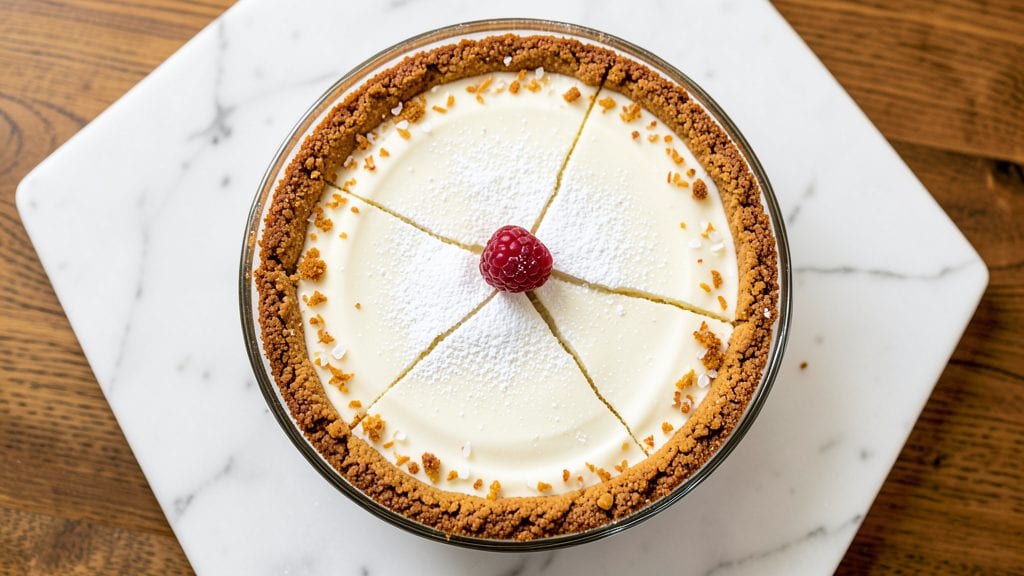
Philadelphia cream cheese baked cheesecake delivers that legendary silky texture and buttery crust crunch we all crave—without the dreaded cracks or dense centers. After testing countless variations, I've perfected a foolproof method using a water bath for even baking and precise mixing techniques that ensure a velvety filling every time.
The key to success lies in the crust preparation: a perfect blend of graham crackers and melted butter creates that satisfying crunch, while the filling's secret is a slow mixing process that incorporates air smoothly.
This isn't just another cheesecake recipe—it's a restaurant-quality dessert you can bake at home with confidence.
What you'll achieve is a perfectly set, creamy center with a golden crust that holds its shape when sliced. The water bath method eliminates cracks while maintaining that signature Philadelphia cream cheese richness.
Each bite combines the buttery crunch of the crust with the velvety smoothness of the filling—exactly as it should be.
This recipe builds on professional techniques but delivers results any home baker can master. Whether you're serving for a special occasion or satisfying a sweet tooth, the combination of texture and flavor makes it worth every minute in the oven.
Ingredients for philadelphia cream cheese baked cheesecake
Philadelphia cream cheese baked cheesecake requires precise ingredients for silky texture and buttery crust perfection.
| Ingredient | Amount | Notes |
|---|---|---|
| Philadelphia Brand Cream Cheese 🧀 | 32 oz | Room temperature for blending |
| Granulated Sugar 🍚 | 1 ½ cups | Superfine preferred for smoothness |
| Large Eggs 🥚 | 4 whole | Room temperature, separated |
| Sour Cream 🥛 | 1 cup | Full-fat for optimal texture |
| Vanilla Extract 🌿 | 2 tsp | Pure Madagascar preferred |
| Unsalted Butter 🧈 | ½ cup | Melted, cooled slightly |
| Graham Cracker Crumbs 🍞 | 2 cups | Honey Maid preferred, fresh |
| Light Brown Sugar 🍚 | ¼ cup | Packed for crust sweetness |
| Diamond Crystal Kosher Salt 🧂 | ½ tsp | For crust enhancement |
| All-Purpose Flour 🌾 | 1 tbsp | For crust binding |
| Heavy Cream 🥛 | ½ cup | Optional for extra richness |
| Lemon Juice 🍋 | 1 tbsp | Freshly squeezed for brightness |
The Philadelphia brand cream cheese is non-negotiable—its high-fat content (34%) delivers that signature velvety texture. Purchase 8-packs from Costco or gourmet sections at Whole Foods for optimal freshness, as older blocks develop a grainy consistency. Room temperature is critical: spread blocks on parchment-lined trays and refrigerate for 2 hours before blending. For the crust, Honey Maid graham crackers provide superior crunch, though Trader Joe's honey oat works beautifully as a gluten-free alternative. Toast the crumbs briefly in a 350°F oven to enhance their flavor before mixing with melted butter—this creates an irresistible crunch that contrasts perfectly with the filling's smoothness.
Substitutions require careful consideration to maintain texture integrity. Neufchâtel cheese can replace cream cheese at a 1:1 ratio, though expect slightly less richness. For sugar, turbinado adds subtle caramel notes but may require additional moisture. Egg whites alone won't suffice—aquafaba at 3 tbsp per egg white offers a vegan alternative, though results are less stable. The lemon juice prevents bitterness from overmixed eggs; omit only if using cream cheese with built-in tang. For dietary adaptations, almond flour can replace 1 tbsp graham crumbs, though texture will differ. Always chill the batter for 1 hour before baking to prevent doming—this crucial step compensates for any ingredient adjustments.
Proper storage maximizes freshness and texture. Freshly baked cheesecakes develop optimal flavor when refrigerated for 4-6 hours before serving. Wrap tightly in plastic wrap and store in the refrigerator for up to 5 days, though the crust loses crunch after 3. For longer preservation, freeze portions in airtight containers for up to 3 months—thaw overnight in the fridge. Reheat slices at 300°F for 10 minutes to restore warmth without compromising structure. The water bath method during baking creates a moisture barrier that preserves the filling's silky consistency, making this recipe far more forgiving than traditional cheesecakes.
Why You'll Love This Recipe
- No Mixer Needed: I swear by this recipe because it’s all about the creaming—just Philadelphia cream cheese, sugar, and eggs beaten by hand until smooth. No electric mixer, no fuss, just elbow grease for five minutes. (And honestly? My arms appreciate the shortcut.)
- Creamy Edge, No Jiggle: That sour cream in the batter? It’s the secret weapon for a texture so silky it almost feels criminal. Bake it right, and you get a slice with a golden crust but a center that’s still wobbling—like a hug from a dessert.
- Party in a Pan: Between us, this is my go-to for gatherings because it’s foolproof. Bring it to a potluck, a birthday, or even a "I burned dinner" emergency—no one will guess it’s basically just cream cheese and eggs. (They’ll just ask for the recipe.)
- Leftovers That Last: A full 9x13 pan means I’m set for days—slice it up for breakfast toast, crumble it into coffee, or just eat it straight from the fridge. The flavor doesn’t fade, and the cost? A fraction of what store-bought cheesecake runs. Win.
Step-by-step instructions for Philadelphia cream cheese baked cheesecake
Mastering this recipe delivers a velvety-smooth filling encased in a perfectly buttery crust—every detail matters.
Prepare the Crust Mixture
In a medium bowl, combine the 2 cups graham cracker crumbs, 0.25 cup light brown sugar, 0.5 tsp diamond crystal kosher salt, and 1 tbsp all-purpose flour. Mix thoroughly with a fork until the crumbs are uniformly coated with sugar and salt. This ensures even distribution of flavor and texture throughout the crust.
Next, cut the 0.5 cup unsalted butter into small cubes and add them to the dry mixture. Use your fingers or a pastry cutter to work the butter into the crumbs until the mixture resembles coarse sand. The butter should be evenly distributed but still visible in small flecks—this creates pockets of rich, buttery flavor as it bakes. Press the mixture firmly into the bottom of a 9-inch springform pan, creating an even layer. Use the bottom of a glass to compact it fully, ensuring the crust will hold its shape during baking.
Blend the Filling Ingredients
In a large mixing bowl, beat the 32 oz Philadelphia brand cream cheese at medium speed with an electric mixer until completely smooth and free of lumps. This step is critical—any remaining lumps will result in a grainy texture in your cheesecake. Scrape down the sides of the bowl as needed to ensure even blending.
Gradually add the 1.5 cups granulated sugar while continuing to mix on medium speed. The mixture will thicken slightly as the sugar incorporates. Next, add the 4 whole large eggs, one at a time, mixing just until each is fully combined. Avoid overmixing once the eggs are added—this prevents the filling from becoming too dense. Stir in the 1 cup sour cream, 2 tsp vanilla extract, and 1 tbsp lemon juice until the mixture is uniformly smooth and well blended. The filling should be thick but still pourable at this stage.
Add Heavy Cream and Prepare for Baking
Pour the 0.5 cup heavy cream into the filling mixture and mix gently until fully incorporated. This step adds richness and ensures the cheesecake has a silky, almost custard-like texture. The filling should now be smooth, glossy, and well aerated.
Carefully pour the filling over the prepared crust in the springform pan. Use a spatula to spread it evenly, ensuring it reaches the edges of the pan. Tap the pan gently on the counter a few times to release any air bubbles that may have formed. Place the pan on a baking sheet lined with parchment paper to catch any potential drips during baking.
Bake to Perfection
Preheat your oven to 325°F. Bake the cheesecake for 50-55 minutes, or until the edges are set and the center still appears slightly jiggly. A toothpick inserted into the center should come out with a few moist crumbs but no wet batter. This indicates the cheesecake is fully cooked but still retains its creamy texture.
Turn off the oven and prop the door open slightly with a wooden spoon. Allow the cheesecake to cool in the oven for 1 hour. This gradual cooling prevents cracking and ensures an even texture. Remove the cheesecake from the oven and let it cool to room temperature before refrigerating for at least 4 hours, or preferably overnight. This step is essential for developing the proper texture and allowing flavors to meld fully.
Chill and Serve
Once the cheesecake has cooled completely, run a thin knife around the edges of the pan to loosen it from the springform ring. Chill the cheesecake in the refrigerator for at least 4 hours before serving. This resting period allows the filling to set properly, resulting in clean slices with a smooth, creamy consistency.
To serve, release the springform ring and slice the cheesecake into wedges. The crust should be crisp and buttery, while the filling should be silky smooth with a subtle tang from the lemon juice. Garnish with fresh berries or a dusting of powdered sugar if desired. This cheesecake holds its shape beautifully, making it ideal for special occasions or elegant desserts.
Pro Tips For Making Philadelphia Cream Cheese Baked Cheesecake
- SOFTEN THE CREAM CHEESE FIRST: Take the Philadelphia cream cheese out of the fridge 30 minutes before mixing—room temperature softens it just enough to blend smoothly without turning greasy. I used to force room-temp cheese straight from the fridge, and it always left streaks in the batter. Trust me, the extra wait makes all the difference in texture.
- USE FULL-FAT SOUR CREAM: Skip the low-fat version—full-fat sour cream adds richness and prevents cracking. The fat content helps stabilize the eggs and keeps the crumb tender. I learned this after my first batch split down the middle like a bad joke.
- BAKE AT 325°F—NO EXCUSES: Too high a temp and the outside burns before the center sets. Too low and it stays gummy forever. 325°F is the Goldilocks zone—hot enough to cook through, cool enough to avoid a rubbery crust. Preheat the oven and don’t peek until the edges are just set.
- LET IT COOL GRADUALLY: Resist the urge to pull it out early—let the cheesecake cool in the oven for 30 minutes with the door slightly ajar. This prevents sudden temperature shifts that cause cracks. I used to yank it out too soon, and half the time, it looked like a cracked eggshell disaster.
Perfect pairings for this dish
Fruit Toppings
Fresh berries elevate this cheesecake with natural sweetness and vibrant color. I recommend a mix of 1 cup raspberries, ½ cup blueberries, and ½ cup sliced strawberries arranged in concentric circles.
For a tropical twist, use mango slices and passion fruit pulp—the acidity cuts through the richness beautifully. 🍓
Caramel Drizzle
Warm ½ cup salted caramel sauce (like Trader Joe's or Smucker's) and drizzle generously over each slice. For extra flair, sprinkle with flaky sea salt—the contrast of sweet and salty enhances every bite.
I also like adding toasted pecans for crunch. Save a little caramel in the fridge to reheat for future servings.
Whipped Cream
Lightly sweetened whipped cream adds airy contrast to the dense filling. I use 1 cup heavy cream whipped with 1 tbsp powdered sugar and ½ tsp vanilla extract. For a modern touch, fold in 1 tbsp Nutella or strawberry jam before serving.
Keep the cream chilled until ready to use—it should hold its shape but still be soft enough to pipe.
Chocolate Ganache
Melt ½ cup dark chocolate chips (70% cocoa) with ¼ cup heavy cream over a double boiler, then drizzle over slices. Let it set for 10 minutes before serving. For a richer version, add 1 tbsp espresso powder to the chocolate while melting—it deepens the flavor without bitterness.
Store leftover ganache in an airtight container for up to 2 weeks.
Spiced Whipped Cream
Infuse the whipped cream with warm spices for a cozy twist. Add ½ tsp cinnamon, ¼ tsp cardamom, and a pinch of nutmeg to the sweetened cream before whipping.
This pairing works especially well with pumpkin spice cheesecake variations. For a festive touch, garnish with star anise or candied ginger on top.
Boozy Pairings
For an adult-friendly dessert, drizzle with bourbon caramel (simmer ½ cup caramel sauce with 1 tbsp bourbon) or top with Kahlúa-spiked whipped cream (mix 1 tbsp Kahlúa into the cream before whipping).
A splash of Grand Marnier in the filling (replace 1 tbsp vanilla extract) adds citrusy depth. Always serve these versions chilled to preserve the alcohol's aroma. 🍷
Nutrition facts
Frequently asked questions
Why does my Philadelphia cream cheese cheesecake crack?
Cracking usually happens when the cheesecake cools too quickly or the oven temperature fluctuates. Always bake at 325°F and cool gradually by turning off the oven and propping the door open for 1 hour. Also, ensure your cream cheese is at room temperature before mixing to avoid lumps that can lead to uneven texture. A water bath helps prevent cracks while keeping the center creamy.
Can I make this recipe without a water bath?
While possible, a water bath is highly recommended for this recipe. It creates even heat distribution, preventing cracks and ensuring a perfectly set center. If you skip it, bake at 300°F instead of 325°F and reduce baking time by 10-15 minutes. The filling may be slightly less stable, but the texture will still be creamy with proper cooling.
How do I know when the cheesecake is fully baked?
The edges should be set, and the center should still jiggle slightly like gelatin. Insert a toothpick—it should come out with a few moist crumbs, not wet batter. Overbaking leads to a dense texture, while underbaking may cause a runny center. Always rely on both visual cues and the toothpick test for accuracy.
Can I substitute Neufchâtel for Philadelphia cream cheese?
Yes, but expect a slightly less rich flavor and texture. Use a 1:1 ratio, but reduce the sour cream to ½ cup since Neufchâtel is lower in fat. The cheesecake will still be creamy, though the tang may be milder. For best results, chill the batter for 2 hours before baking to compensate for the difference in fat content.
How long should I chill the cheesecake before serving?
Chill for at least 4 hours (overnight is ideal) to let the filling fully set. This ensures clean slices with a smooth, creamy texture. Skipping the chilling step can result in a crumbly or overly soft dessert. Serve directly from the refrigerator for the best experience.